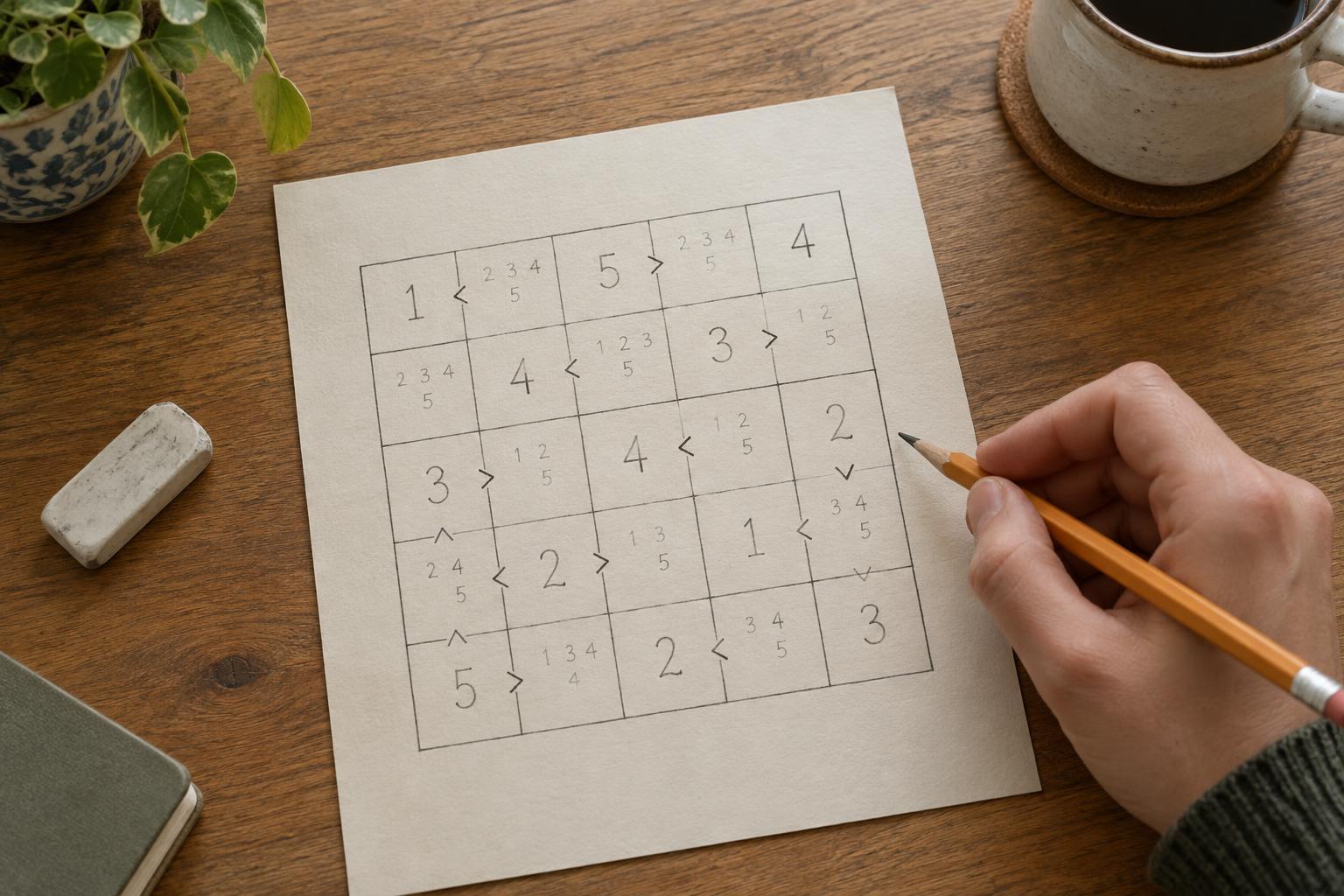
Puzzles and LogicFutoshiki combines a number grid with greater-than and less-than clues. Learn how to use the inequalities, spot useful chains and narrow down candidates without guessing.
Read article · 3 min↗
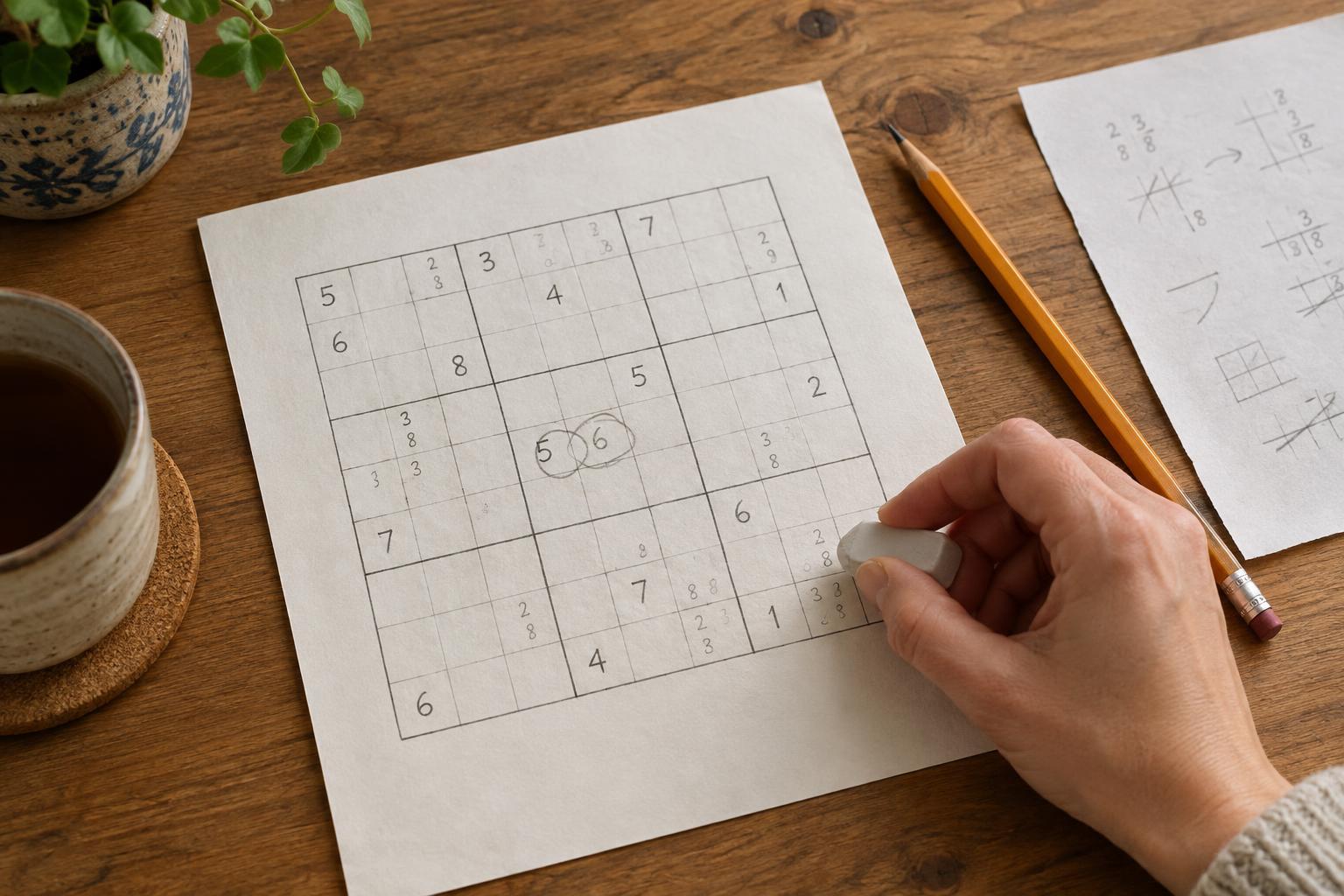
Puzzles and LogicA contradiction in a pencil puzzle does not always mean starting over. Learn how to identify the conflicting clues, trace your recent deductions, and recover without losing the useful work you have already done.
Read article · 4 min↗
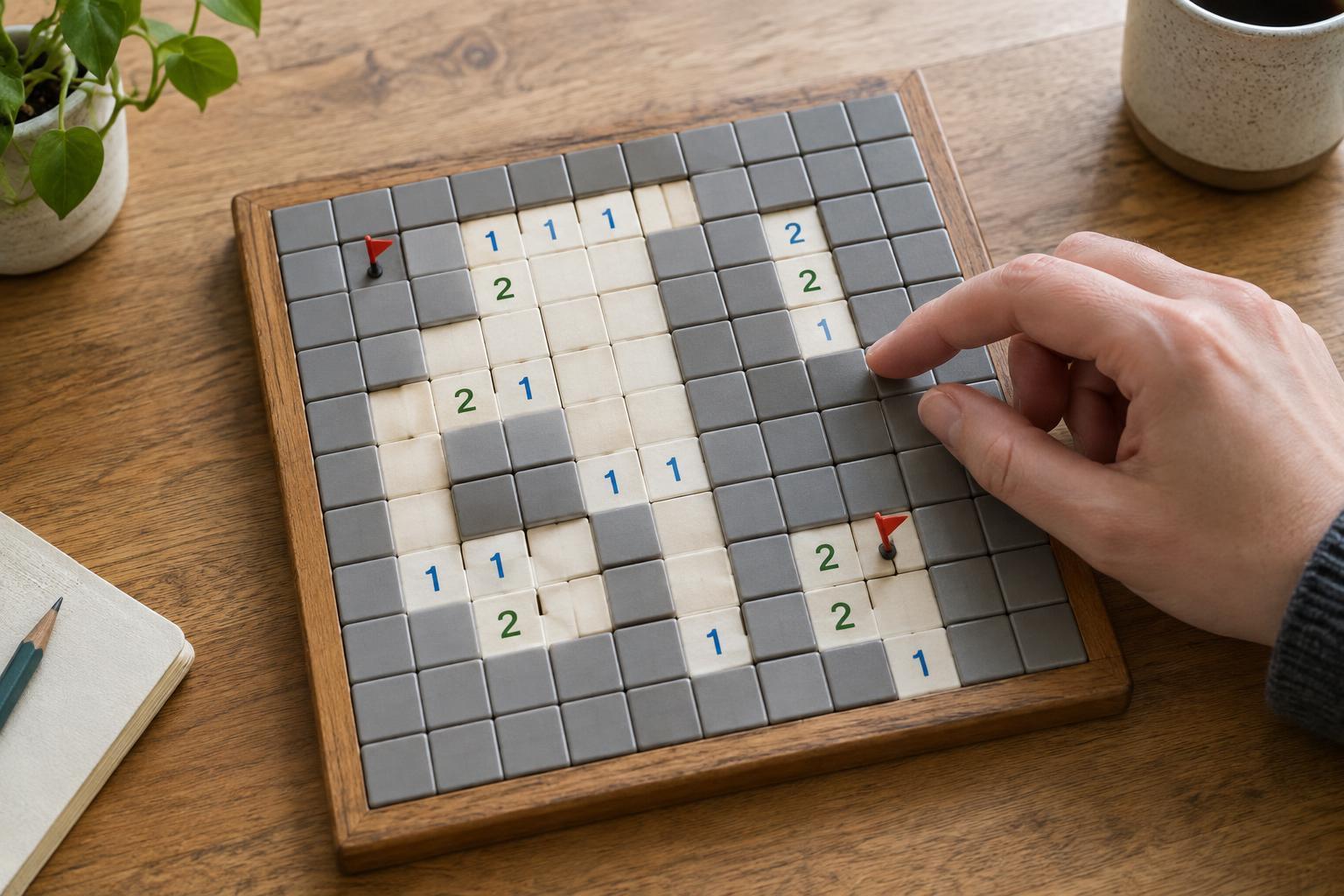
Puzzles and LogicMinesweeper numbers are clues about the eight squares around them. Learn how to count neighbors, compare overlapping clues, use flags carefully and recognize when the board does not yet offer a certain move.
Read article · 4 min↗
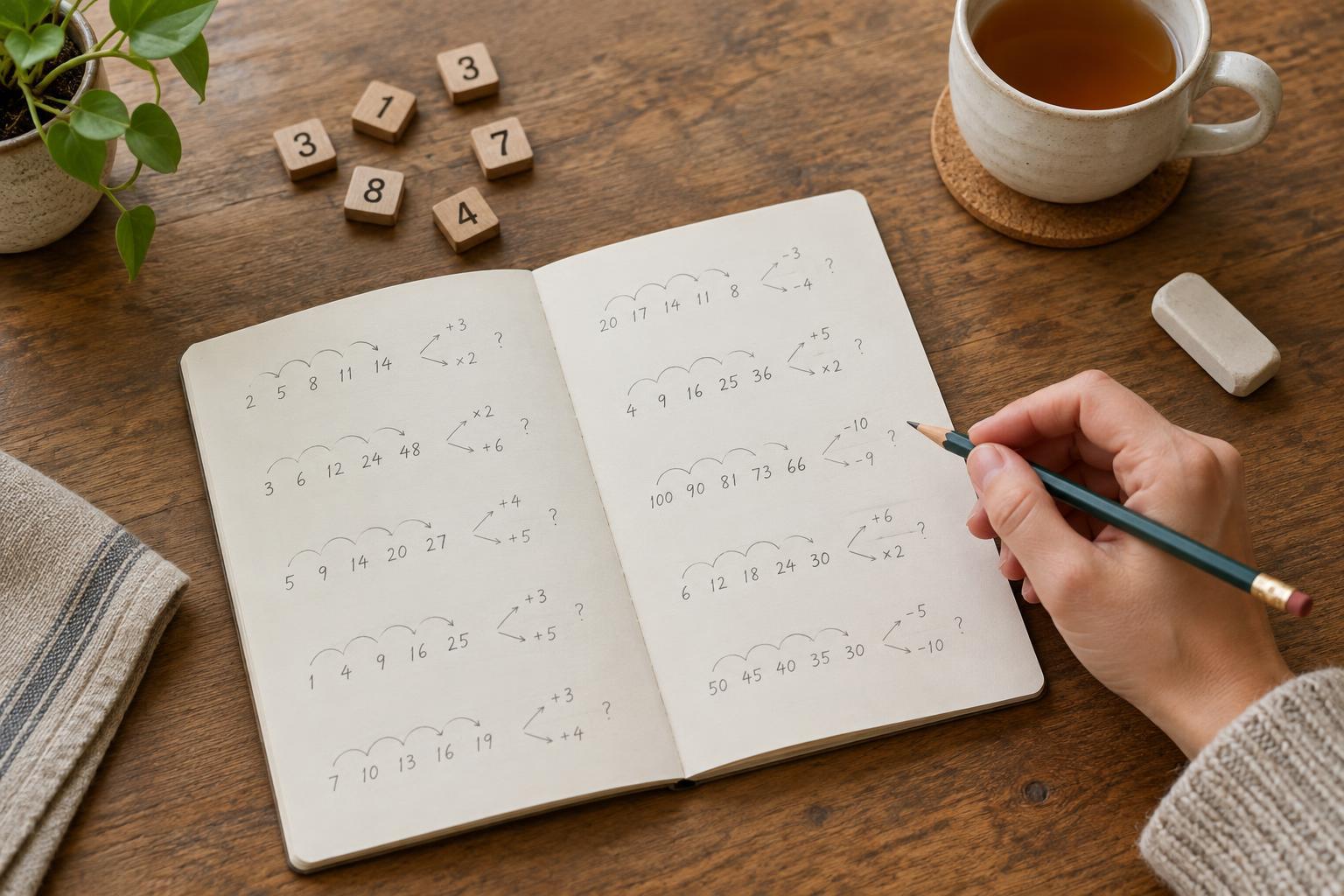
Puzzles and LogicNumber sequences invite quick guesses, but a short list of numbers can fit more than one rule. Learn a practical way to test patterns, use clues in the puzzle, and explain an answer without treating it as the only possible one.
Read article · 4 min↗
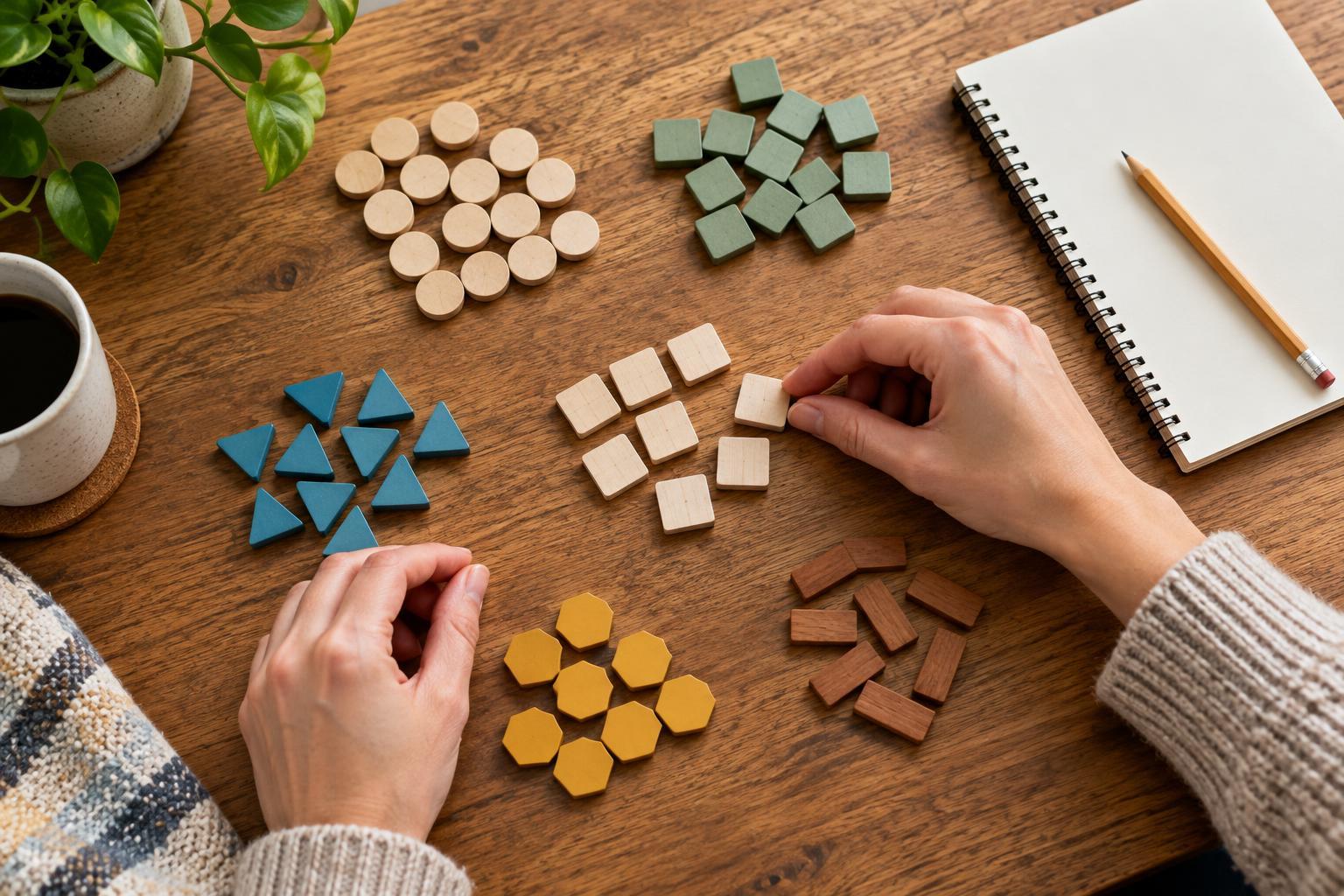
Puzzles and LogicAnagrams become easier when you stop trying to read scrambled letters as a word. Learn how to sort letters, spot useful patterns, manage repeated letters and check each answer against the original set.
Read article · 4 min↗
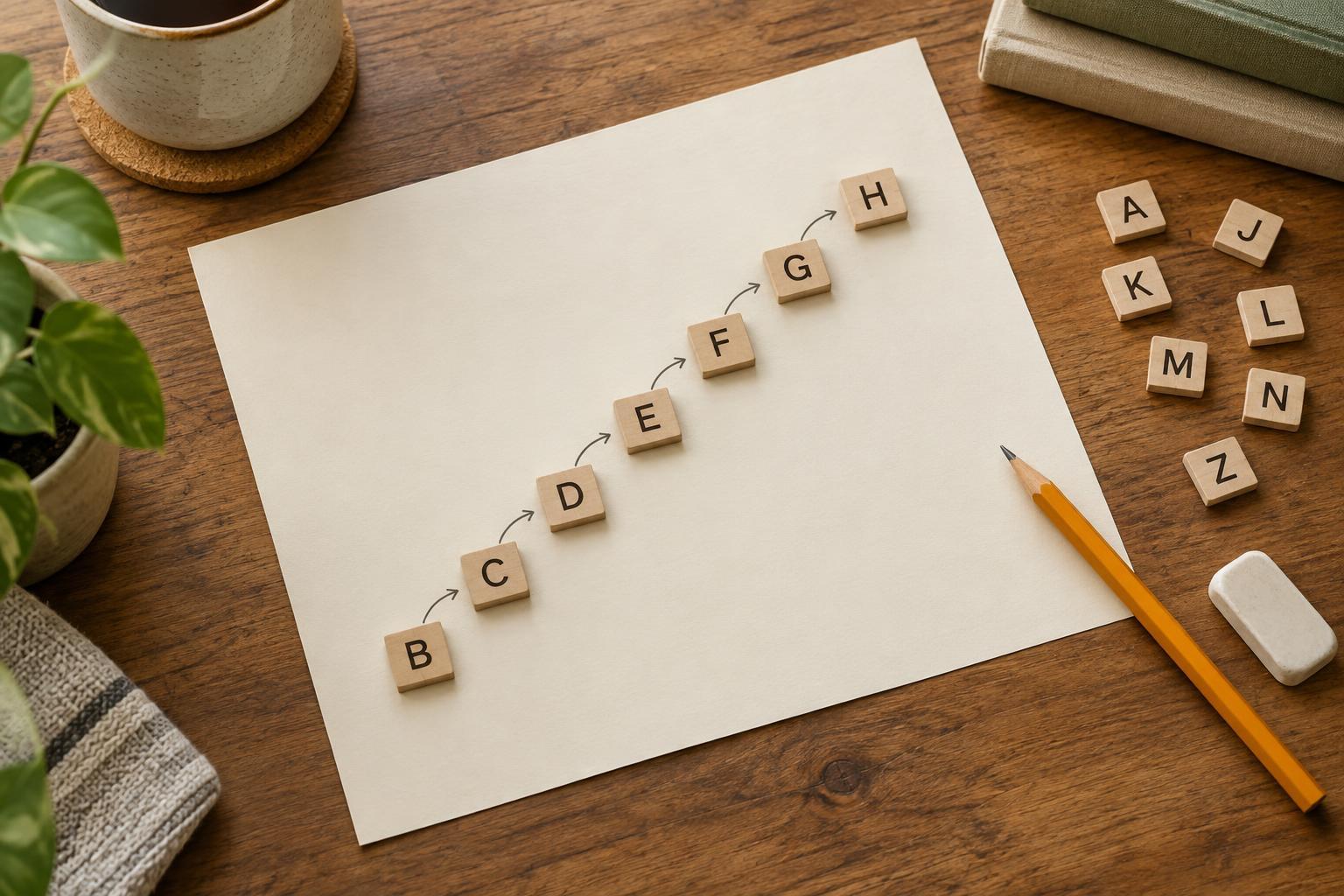
Puzzles and LogicWord ladders turn a small spelling change into a satisfying logic puzzle. Learn the basic rules, how to work from both ends, and what to do when a promising path leads nowhere.
Read article · 4 min↗
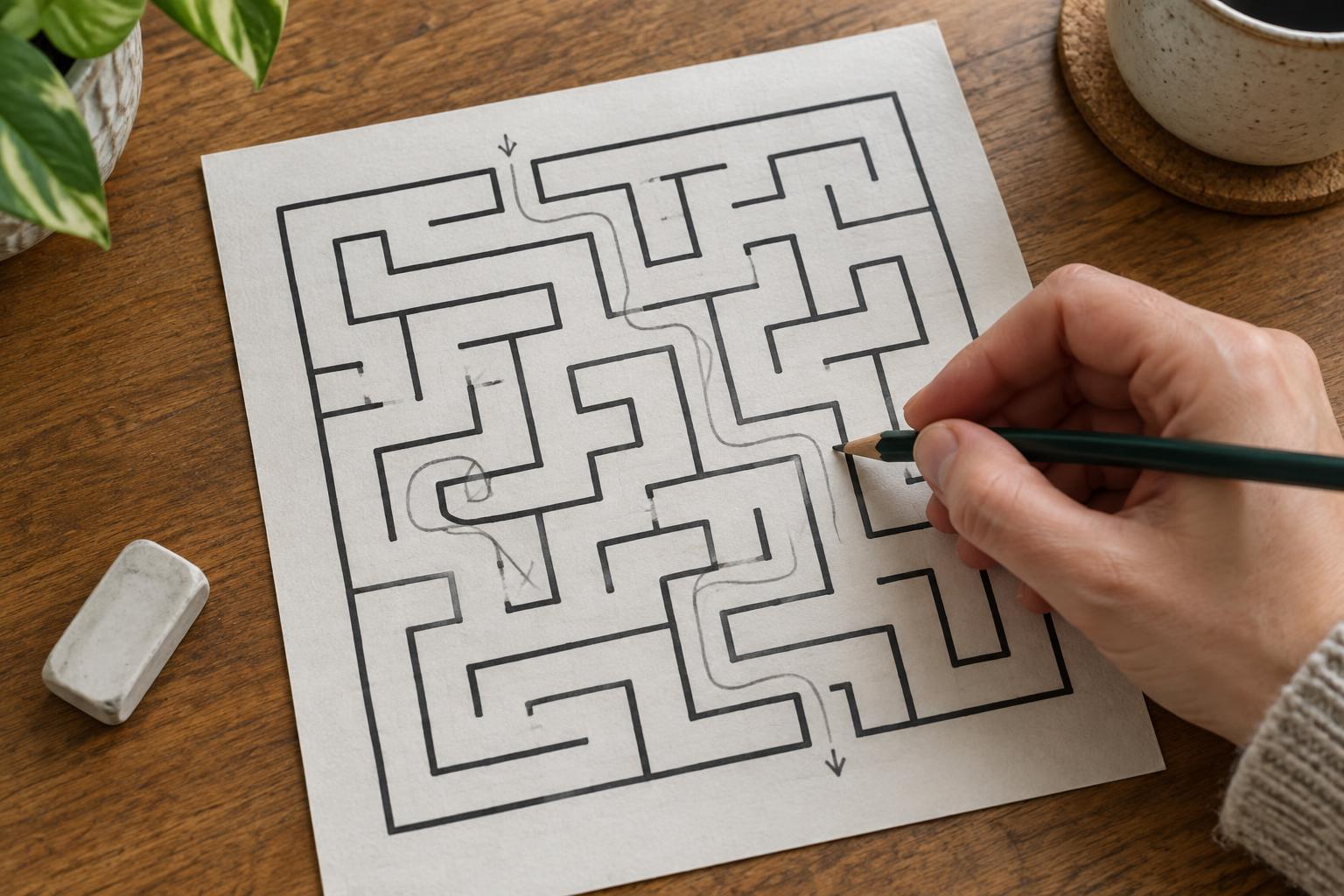
Puzzles and LogicA maze becomes easier to solve when you treat each junction as a decision you can record. Learn how to trace a route, recognize dead ends, handle loops, and keep your markings clear enough to follow back.
Read article · 4 min↗
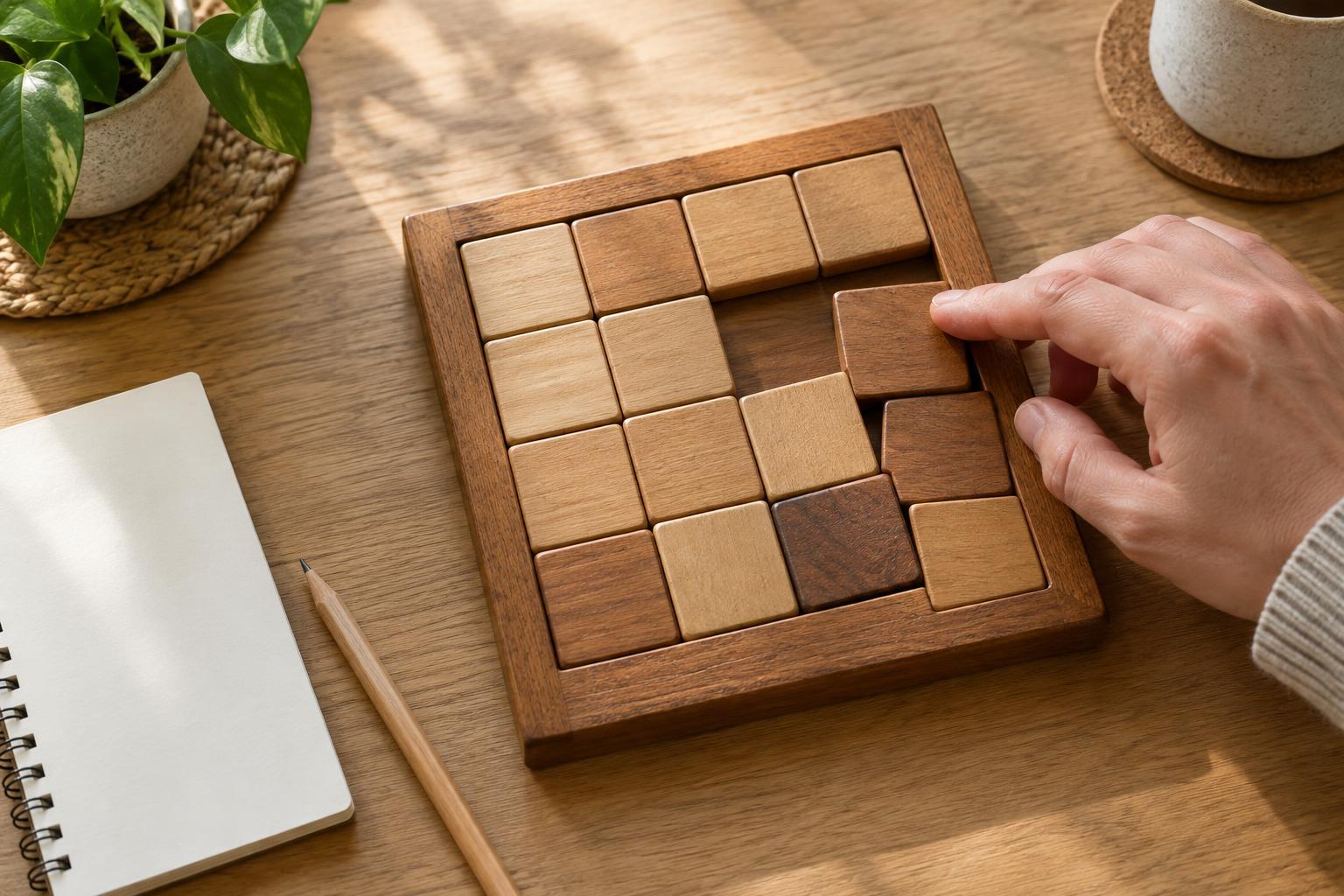
Puzzles and LogicA sliding tile puzzle becomes easier to manage when you solve it in sections rather than chasing one tile at a time. Learn how to use the empty space, place tiles in pairs, and keep finished rows out of your working area.
Read article · 4 min↗
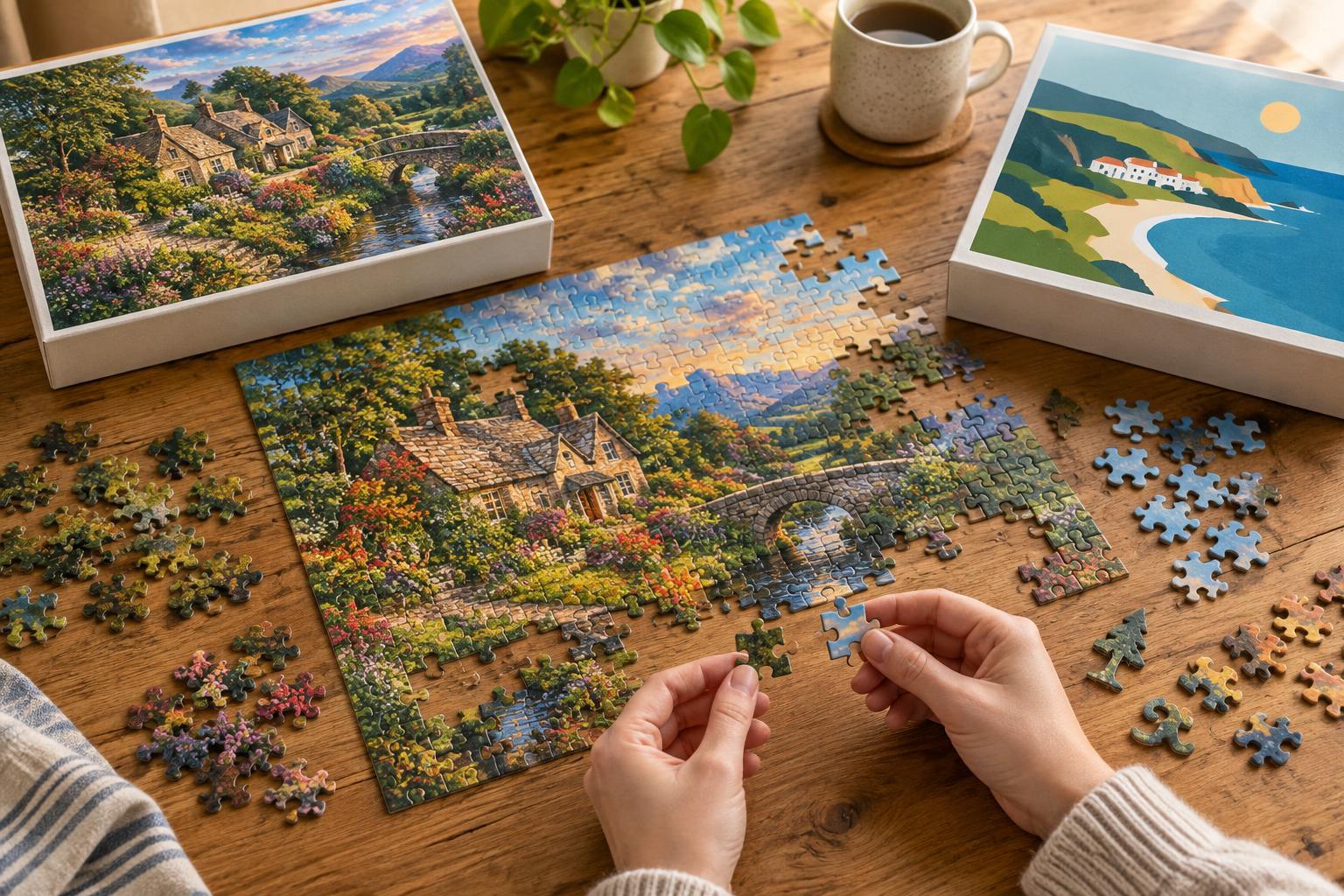
Puzzles and LogicA satisfying jigsaw puzzle depends on more than its piece count. Learn how to choose a manageable challenge by looking at the image, the way the pieces are cut, and the space and time you have available.
Read article · 5 min↗
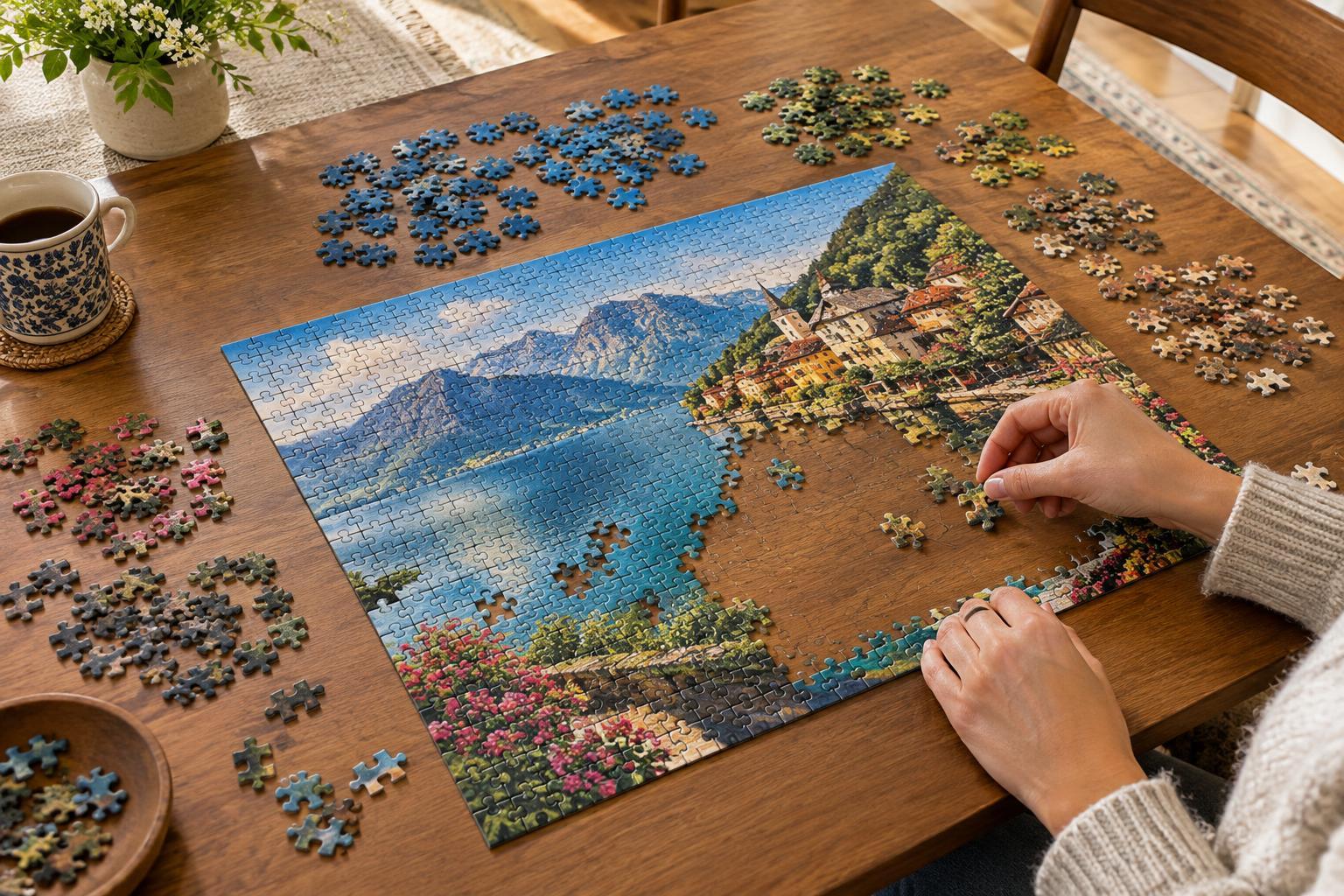
Puzzles and LogicA practical guide to setting up a jigsaw puzzle, sorting pieces into useful groups, building recognizable areas, and working through tricky sections without turning a relaxing activity into a chore.
Read article · 4 min↗
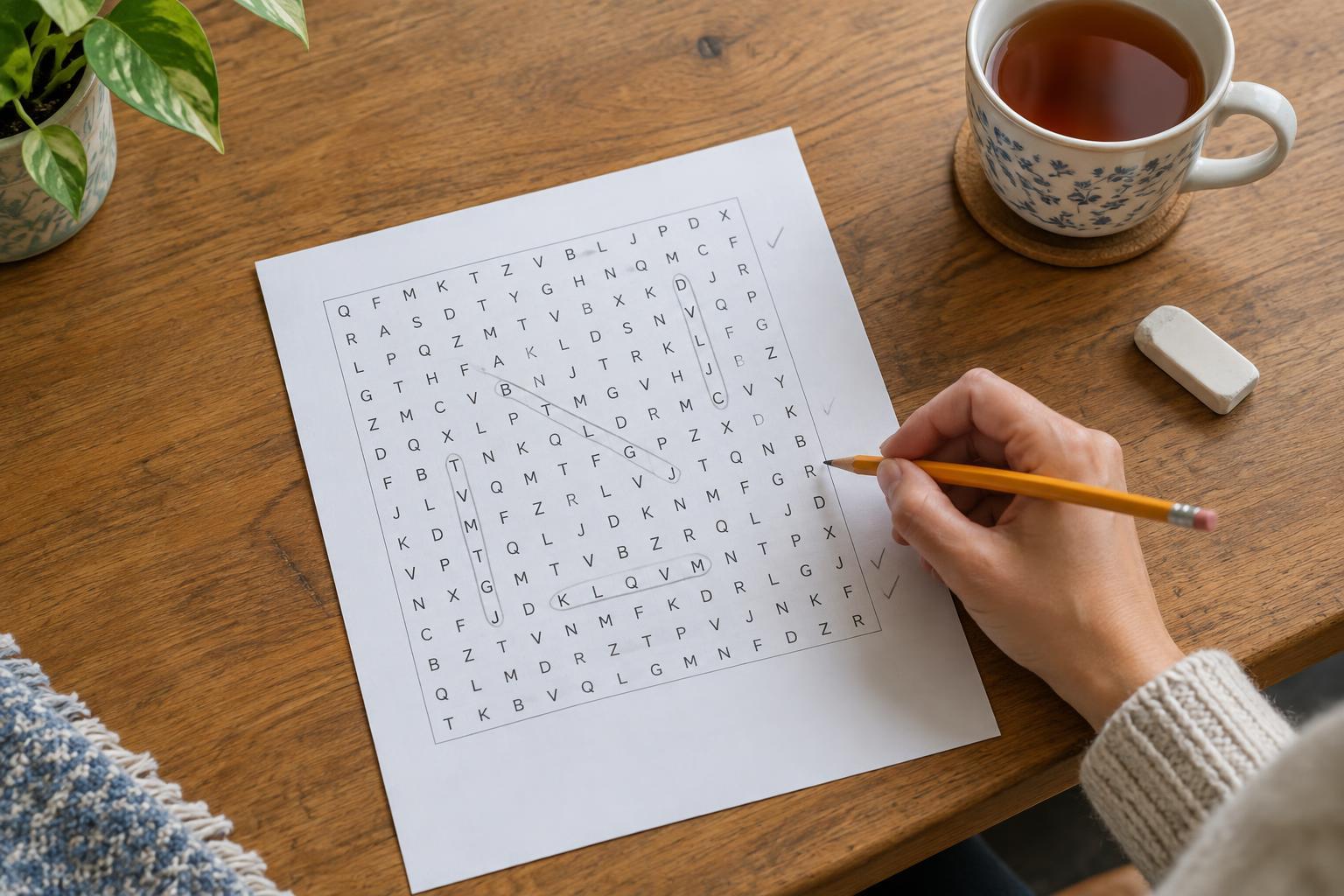
Puzzles and LogicA word search gets easier to navigate when you stop treating the grid as a wall of letters. Learn how to use distinctive letter pairs, word endings, direction checks and a simple marking system to find words without losing your place.
Read article · 4 min↗
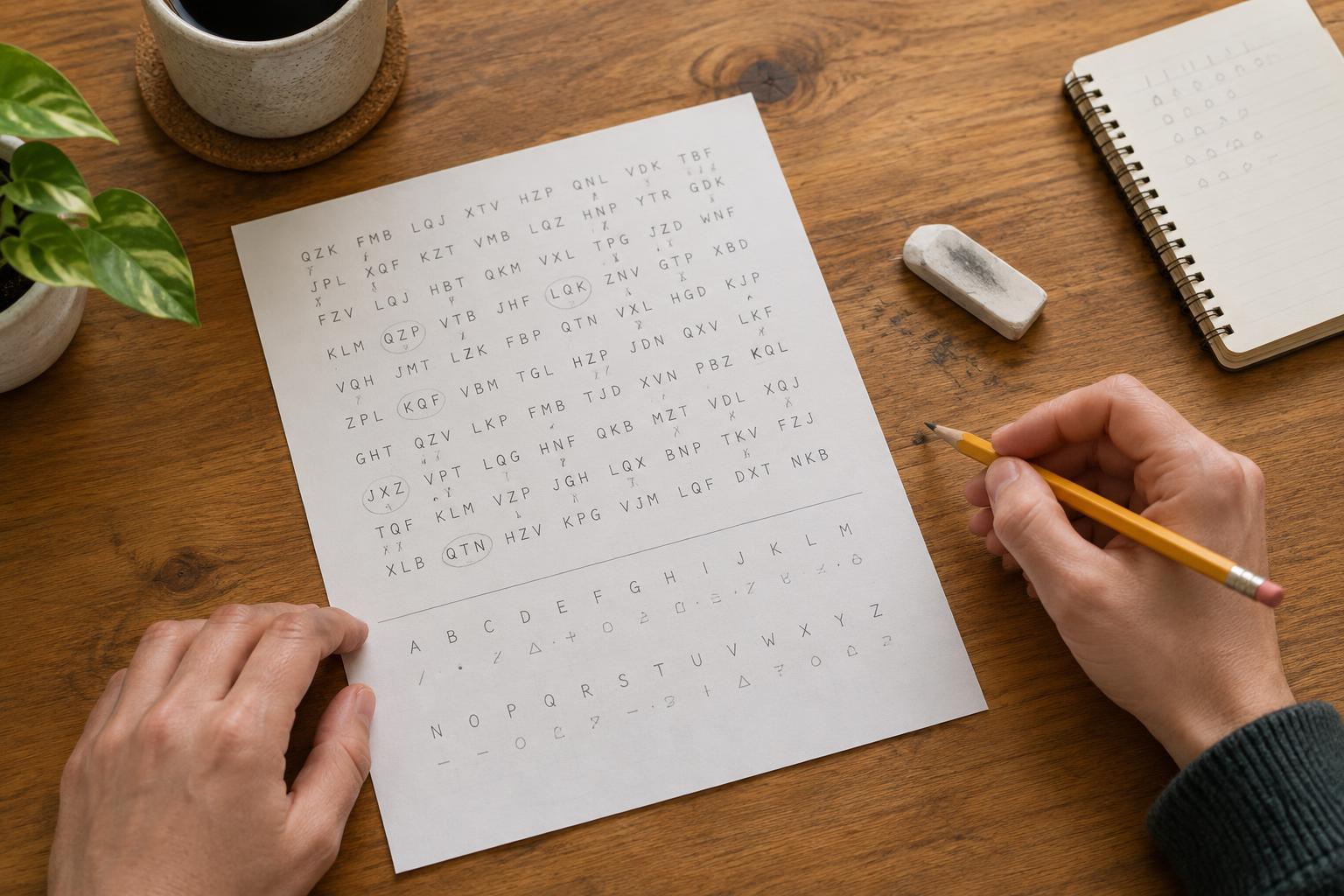
Puzzles and LogicA substitution cryptogram can look like a wall of random letters, but its word shapes offer useful clues. Learn how to spot repeated letters, test short words, build a consistent letter key, and recover when a promising guess does not fit.
Read article · 4 min↗
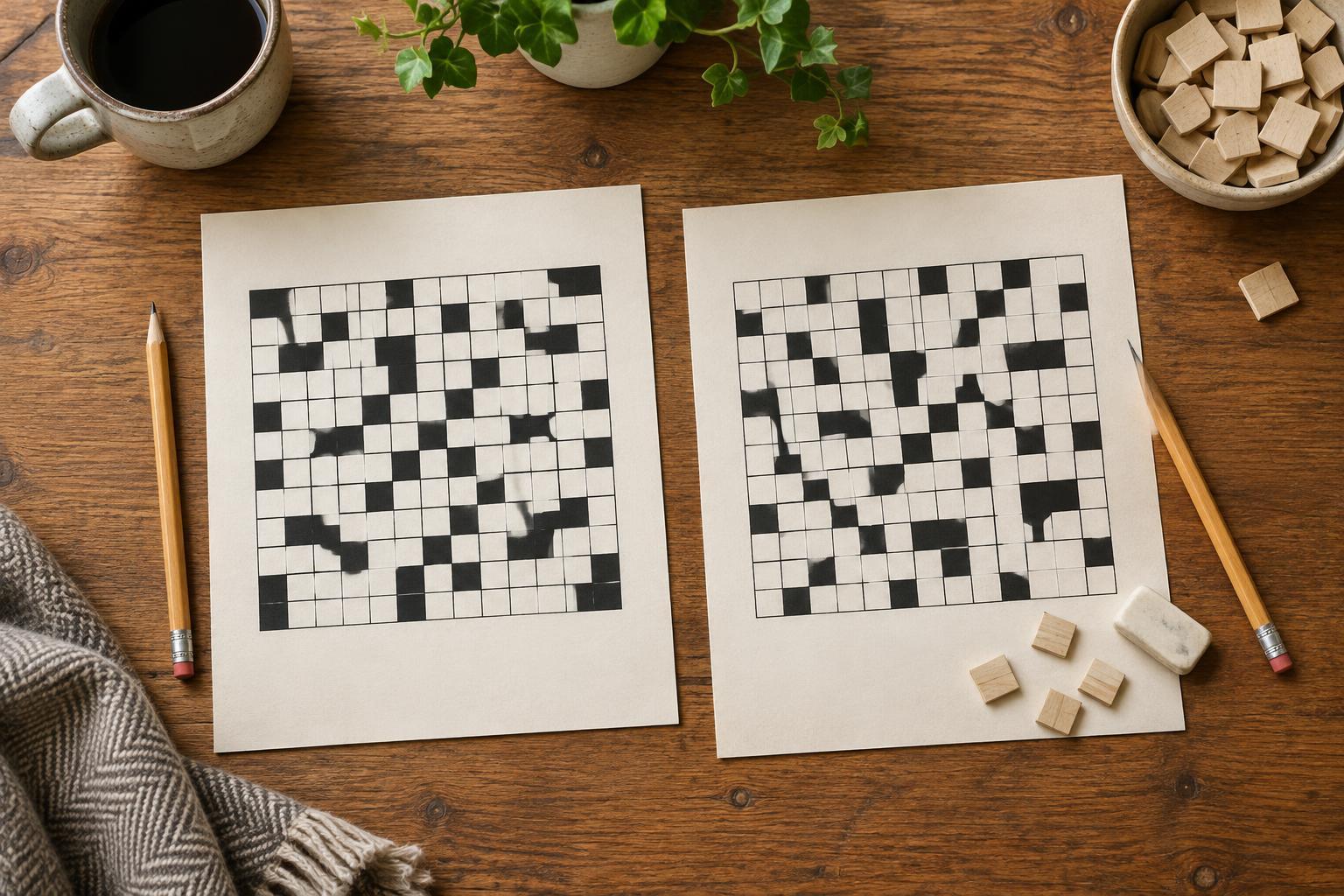
Puzzles and LogicStandard crossword clues usually ask for a definition, while cryptic clues give you both a definition and a word puzzle. Learn how to recognize the difference, read common cryptic signals, and choose a useful starting strategy for each style.
Read article · 3 min↗
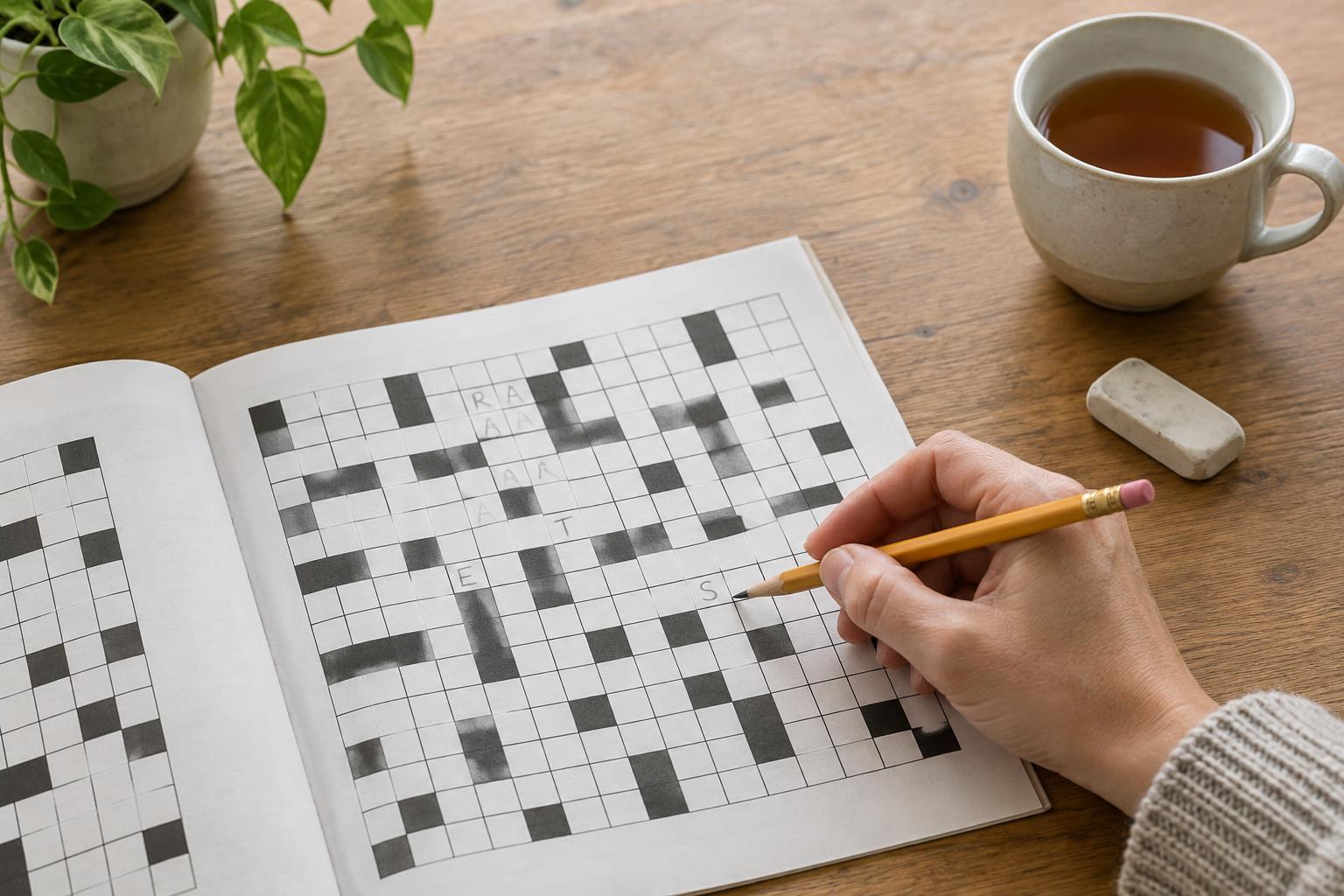
Puzzles and LogicA crossword can look impossible when only two or three clues seem familiar. Start with the answers you trust, use crossings to test guesses, and return to difficult clues with fresh letters. This guide offers a calm, practical way to build momentum without needing to solve the puzzle in order.
Read article · 4 min↗
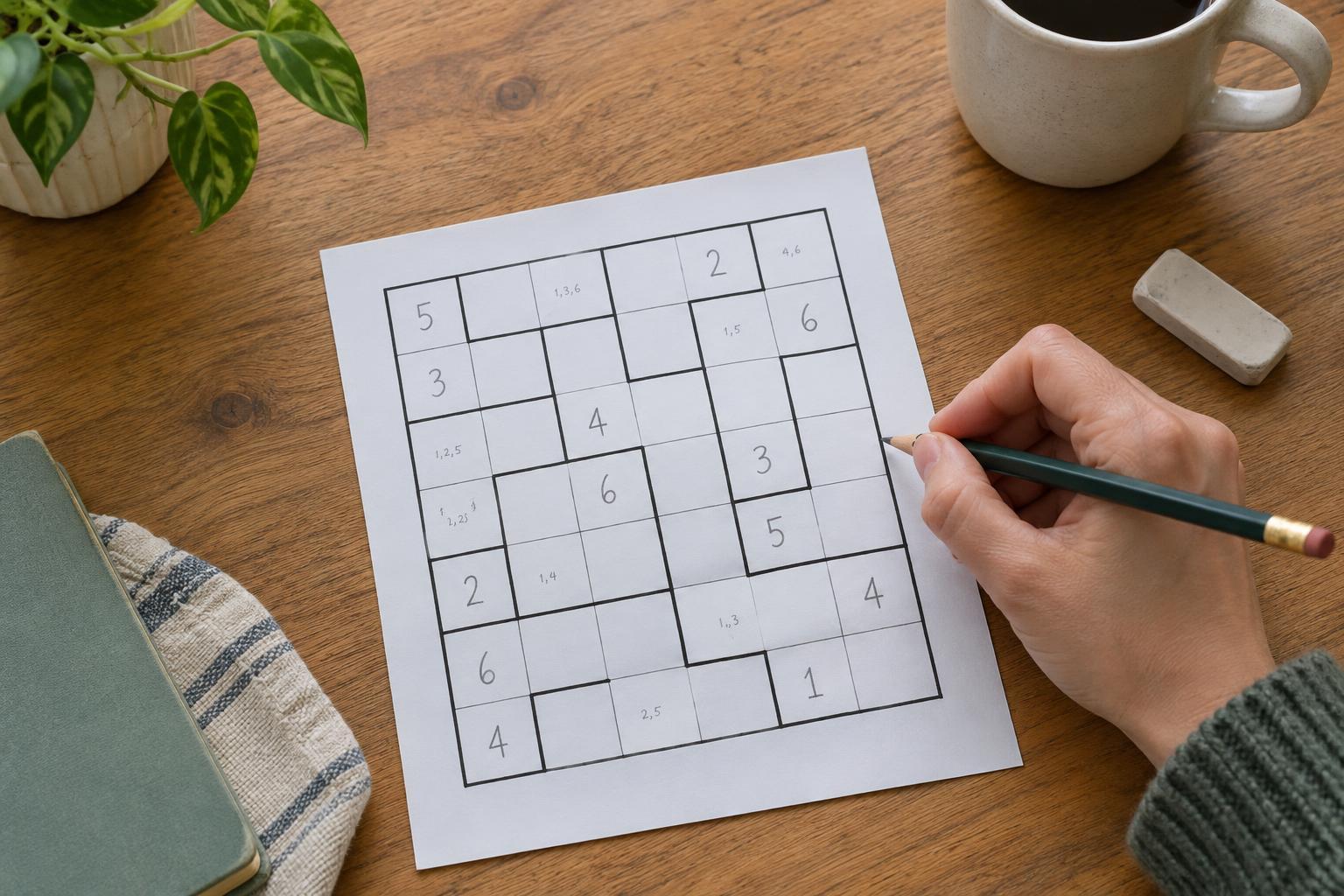
Puzzles and LogicKenKen combines a number grid with small arithmetic puzzles called cages. Learn the basic rules, how to narrow down possible numbers, and how to use rows and columns to finish a puzzle without guessing.
Read article · 4 min↗
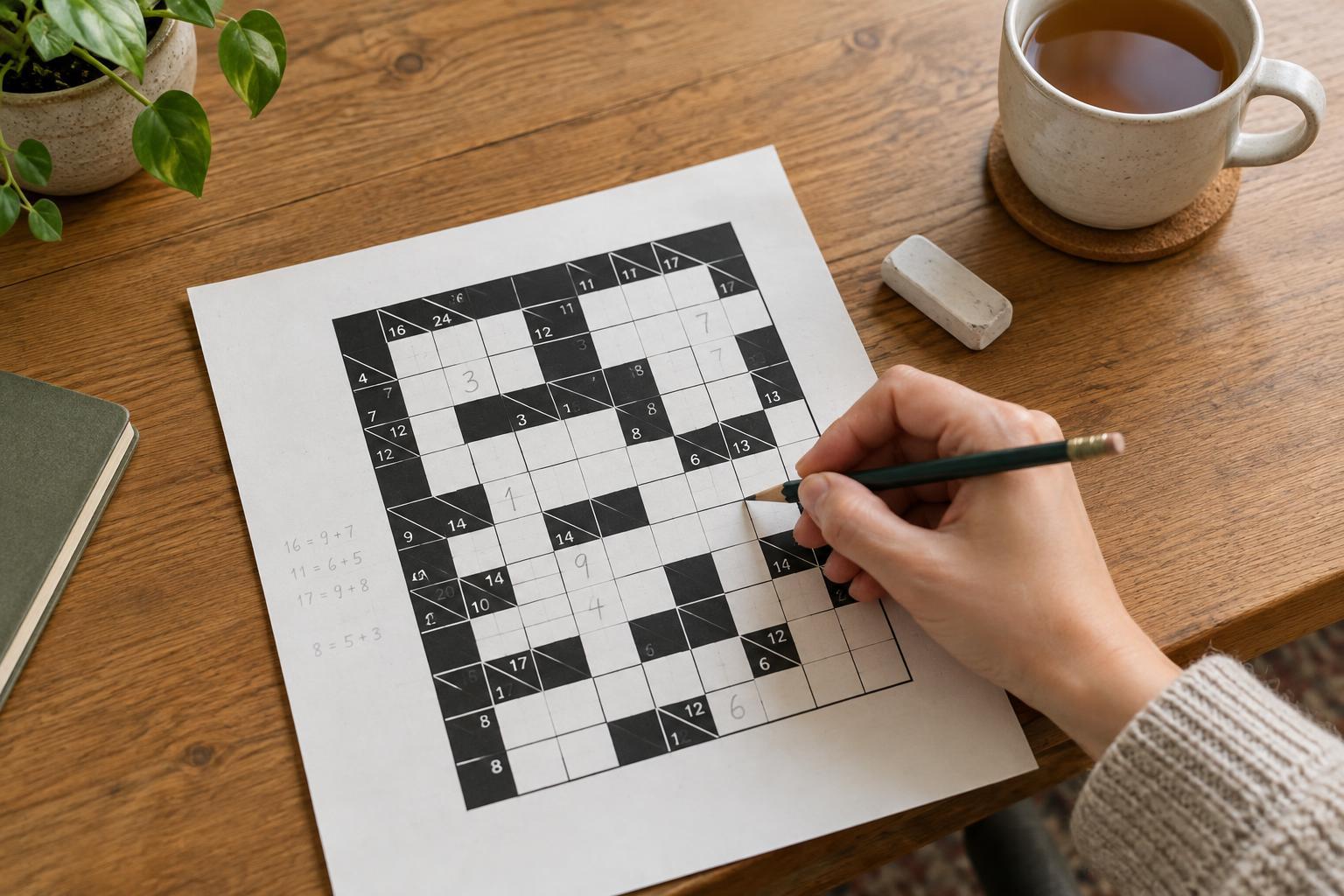
Puzzles and LogicKakuro combines addition with a simple restriction: digits cannot repeat within a run. Learn how to read clues, narrow down digit combinations, use crossing runs, and check your work without guessing.
Read article · 4 min↗
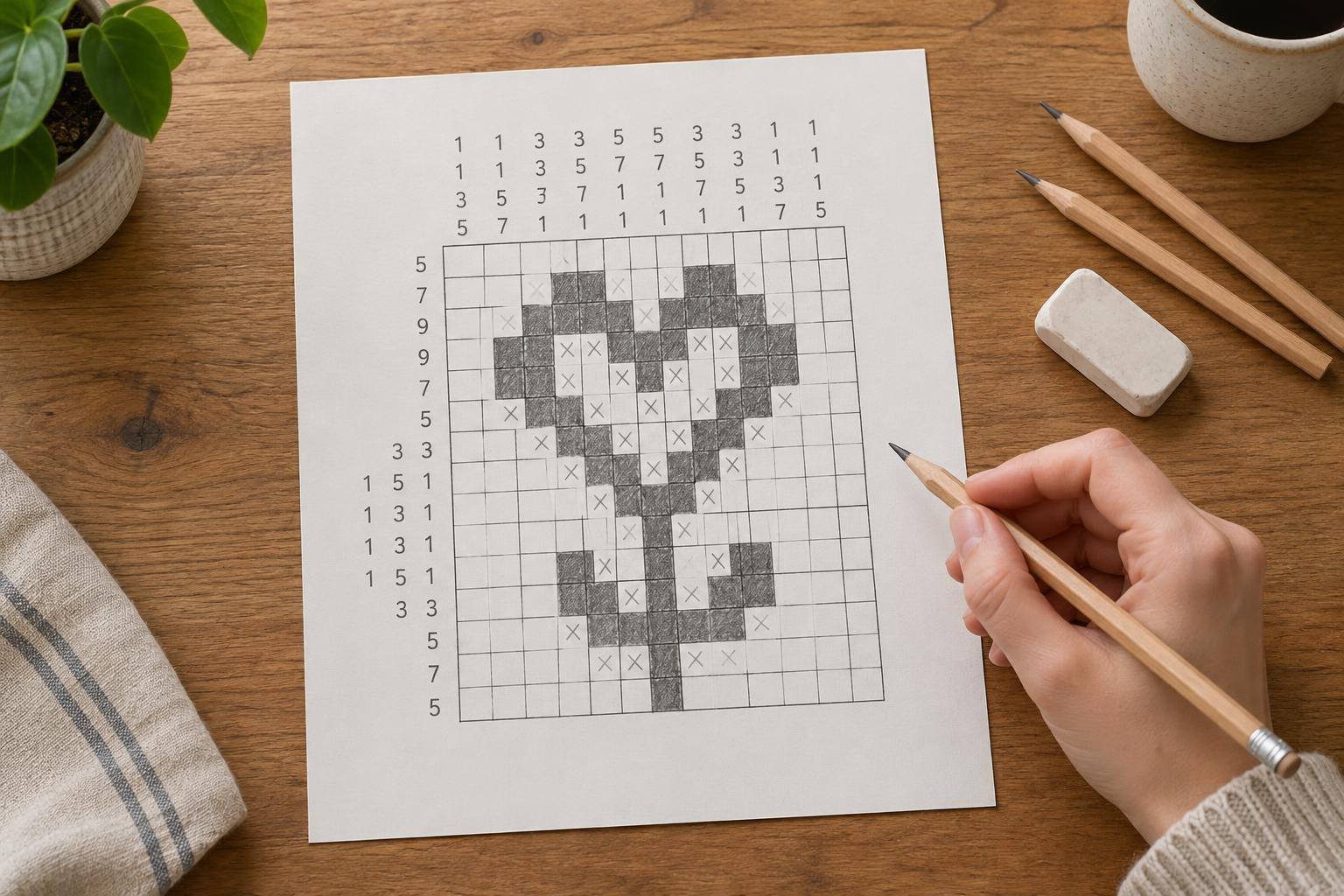
Puzzles and LogicNonograms turn rows and columns of number clues into a picture. Learn how to read the clues, find cells that must be filled, mark empty squares, and work through a grid without guessing.
Read article · 4 min↗
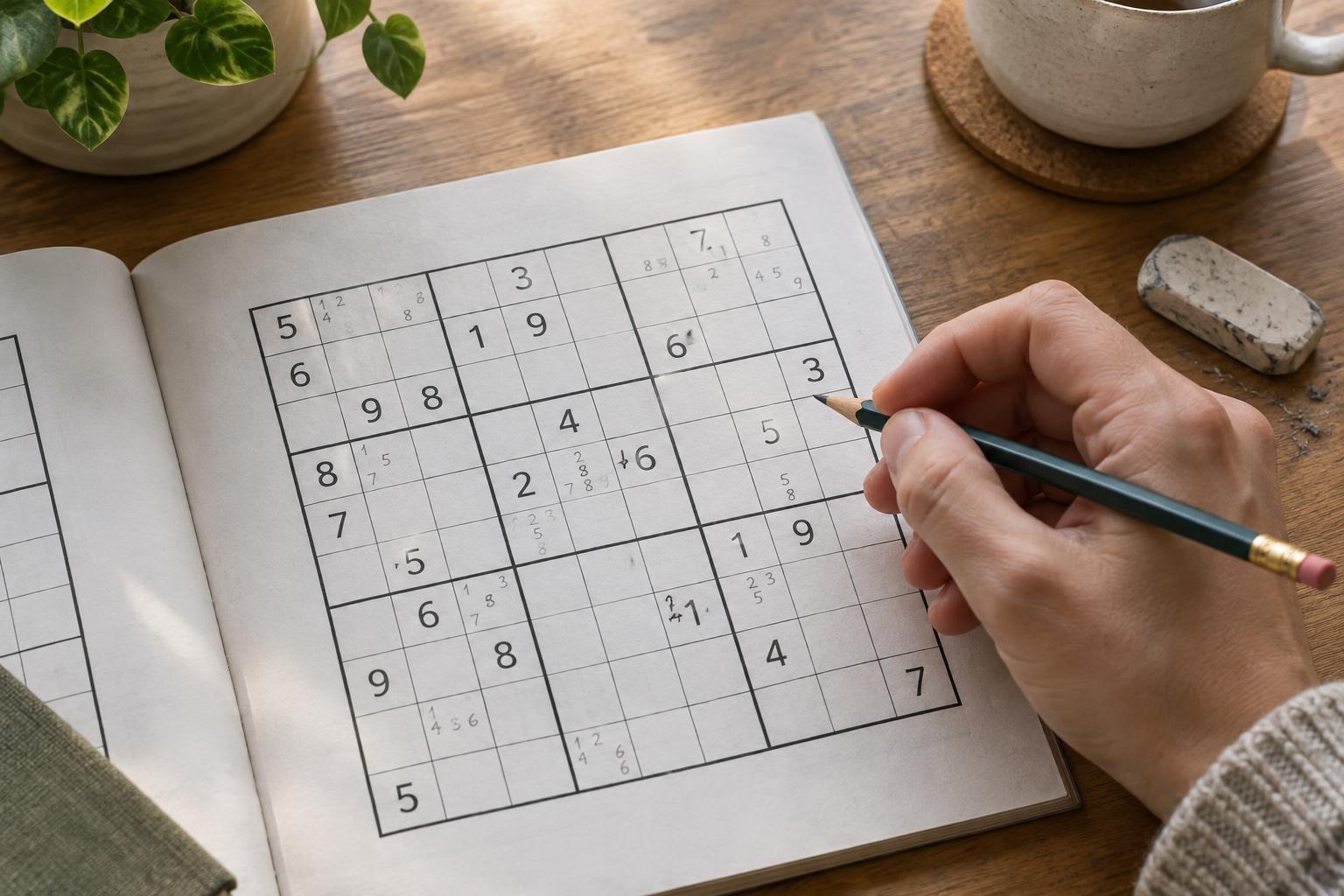
Puzzles and LogicWhen a Sudoku grid feels stuck, the problem may be a skipped candidate rather than a need to guess. Learn how to scan rows, columns and boxes, keep pencil marks useful, and recover from mistakes without starting over.
Read article · 4 min↗
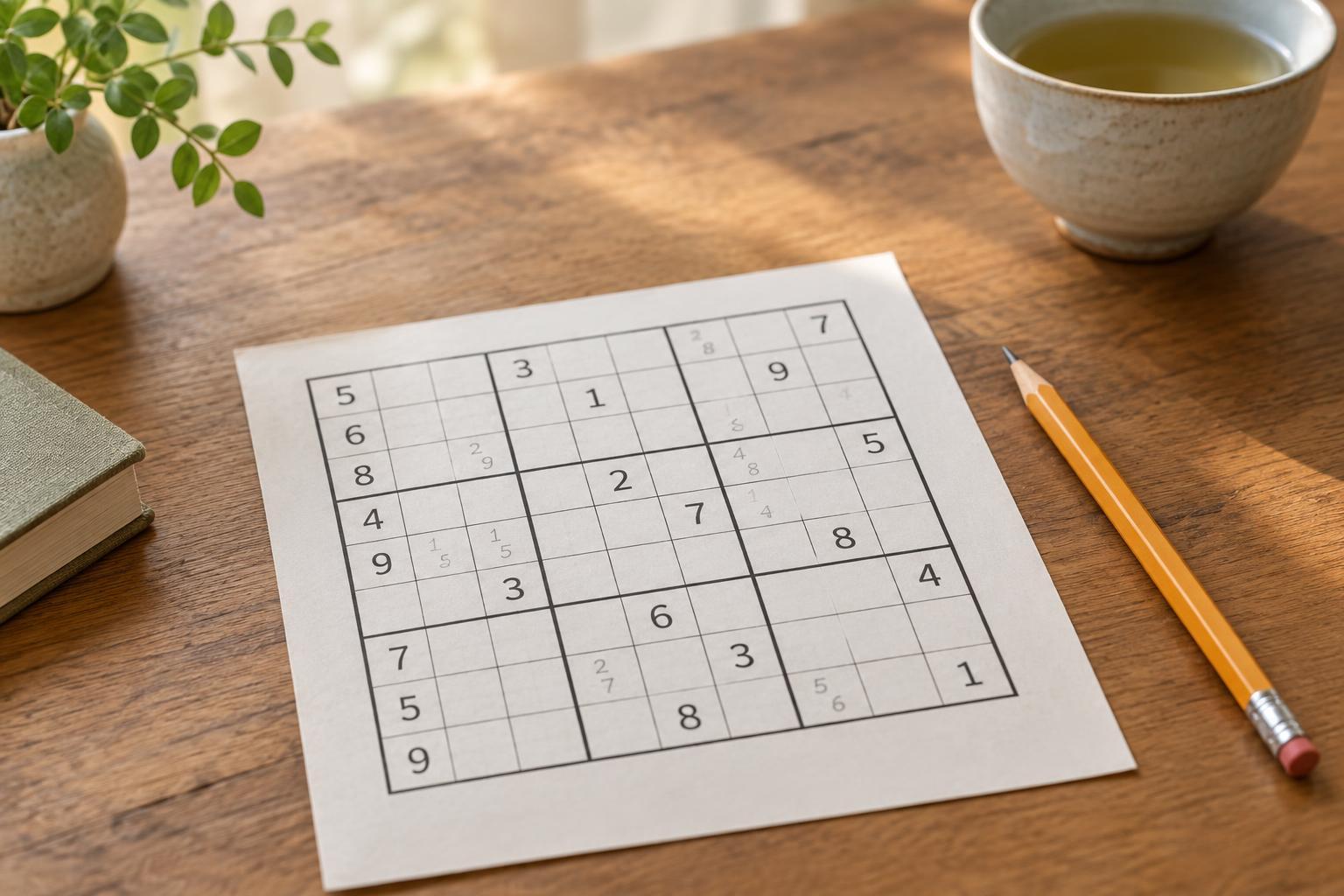
Puzzles and LogicLearn the basic rules of a standard Sudoku puzzle and a calm way to solve it. This beginner’s guide explains how rows, columns, and boxes work together, when to use pencil marks, and what to check when you get stuck.
Read article · 4 min↗
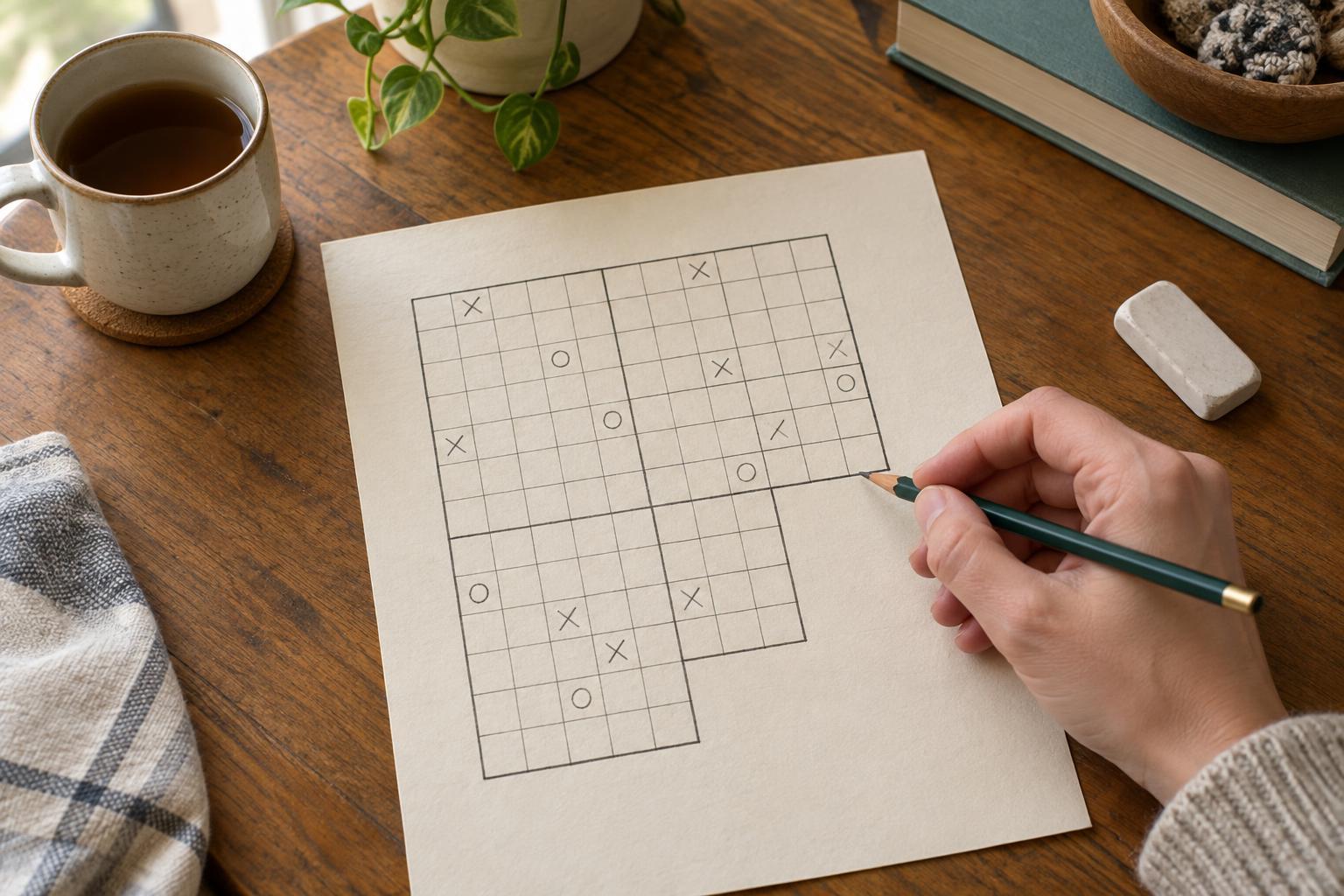
Puzzles and LogicLogic grid puzzles become easier when you separate direct facts from deductions and record every exclusion. Learn how to set up a grid, work through a small example, and check that your answer fits every clue.
Read article · 4 min↗