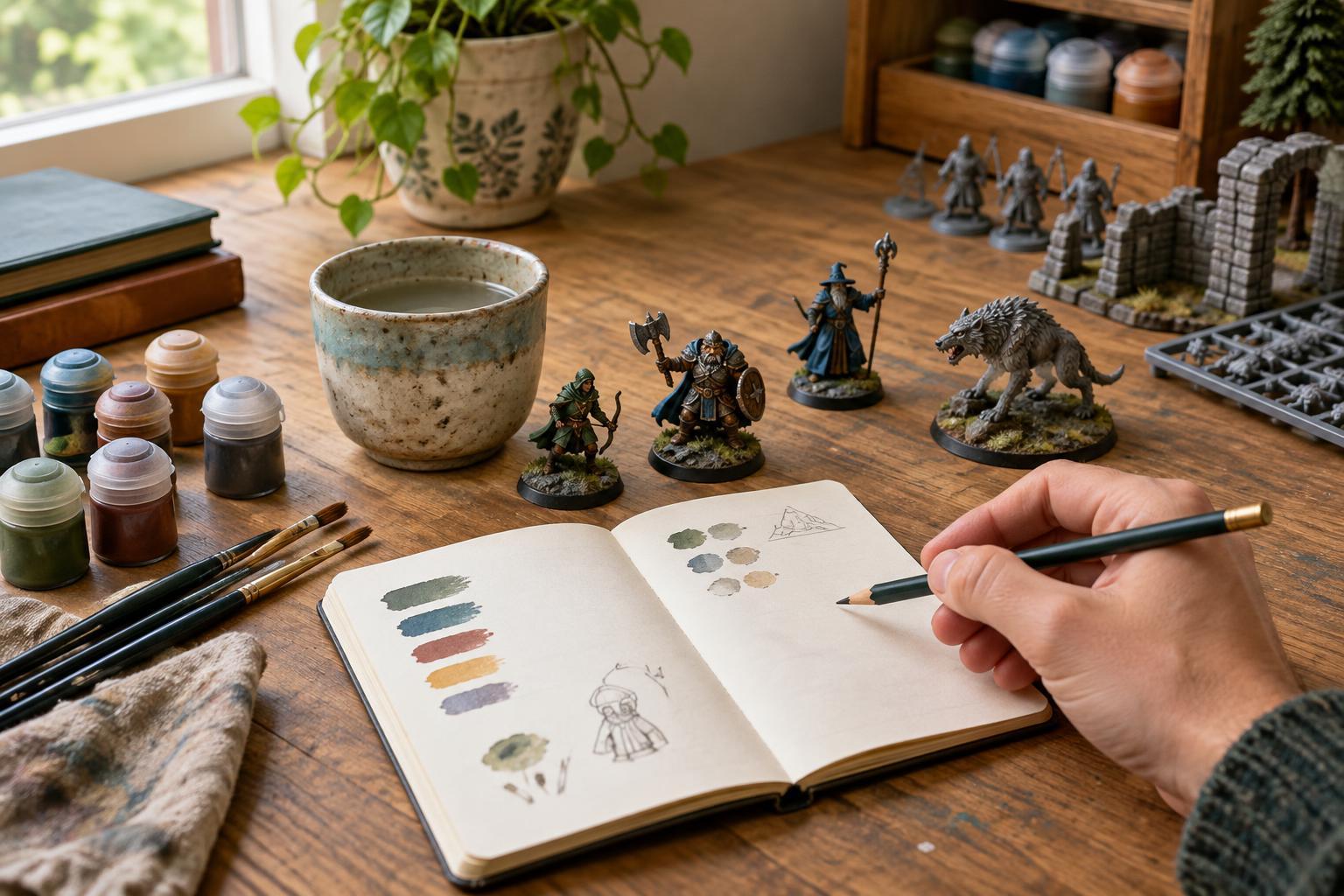
Tabletop HobbiesA simple project notebook can help you remember paint mixes, build decisions, missing supplies, and ideas for your next tabletop hobby session. Here’s how to set one up without turning note-taking into another project.
Read article · 4 min↗
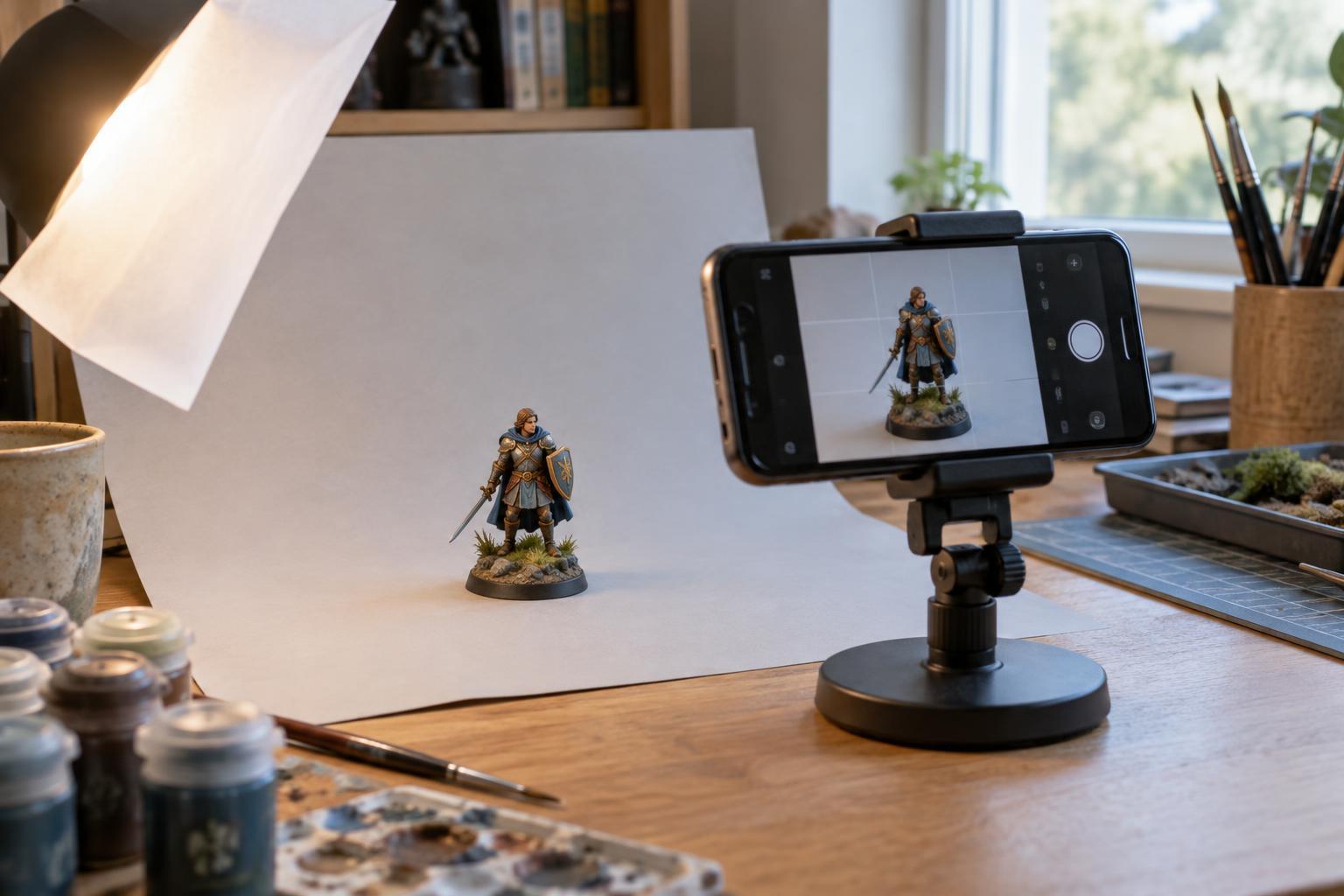
Tabletop HobbiesA good miniature photo does not require a camera kit. Learn how to use a phone, a steady surface, a simple background and soft light to show the colors and details of your painted tabletop models.
Read article · 4 min↗
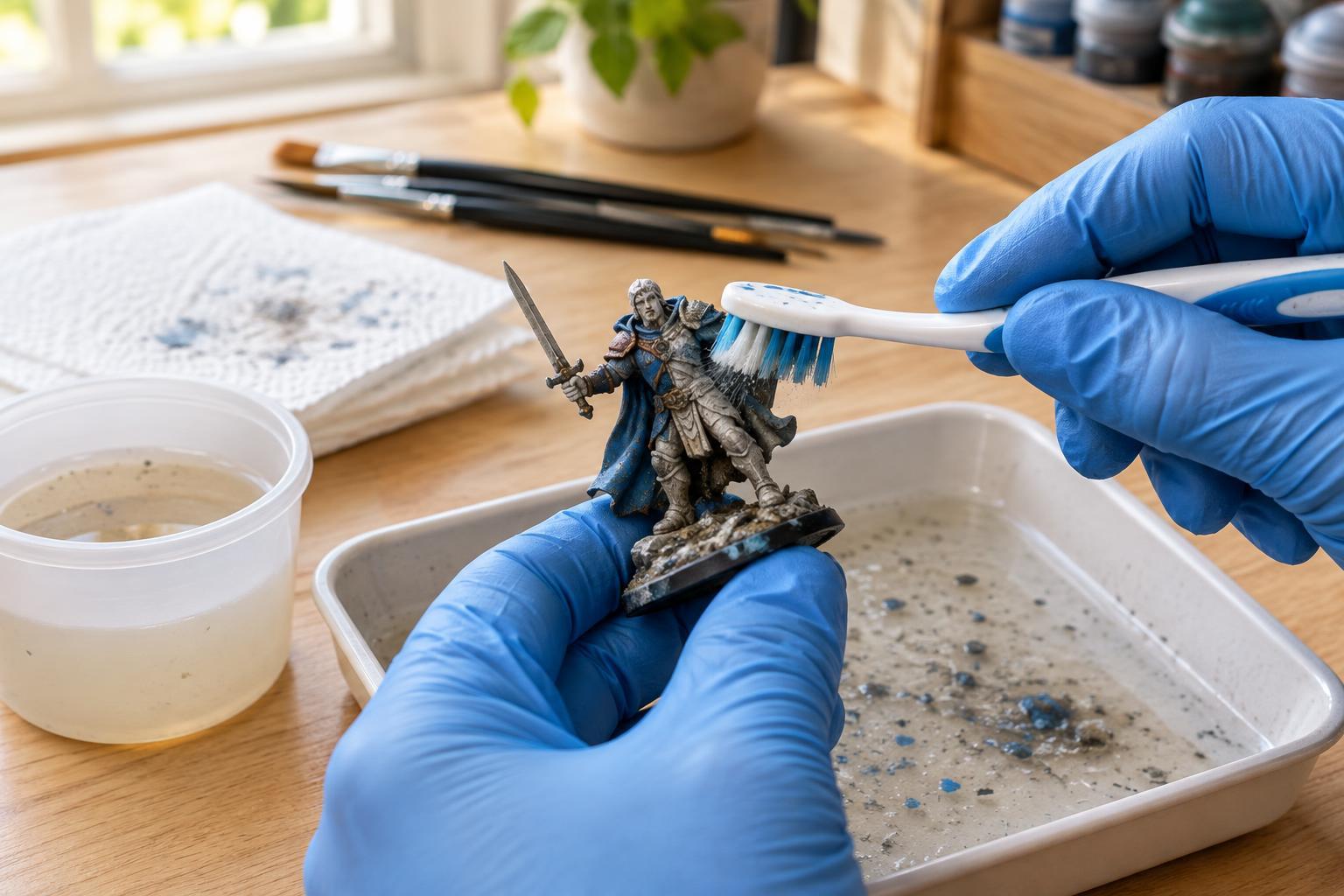
Tabletop HobbiesA careful paint strip can give a miniature a fresh start without sacrificing its details. Learn how to identify the material, choose a suitable cleaner, work gently around delicate parts, and prepare the model for a new primer coat.
Read article · 3 min↗
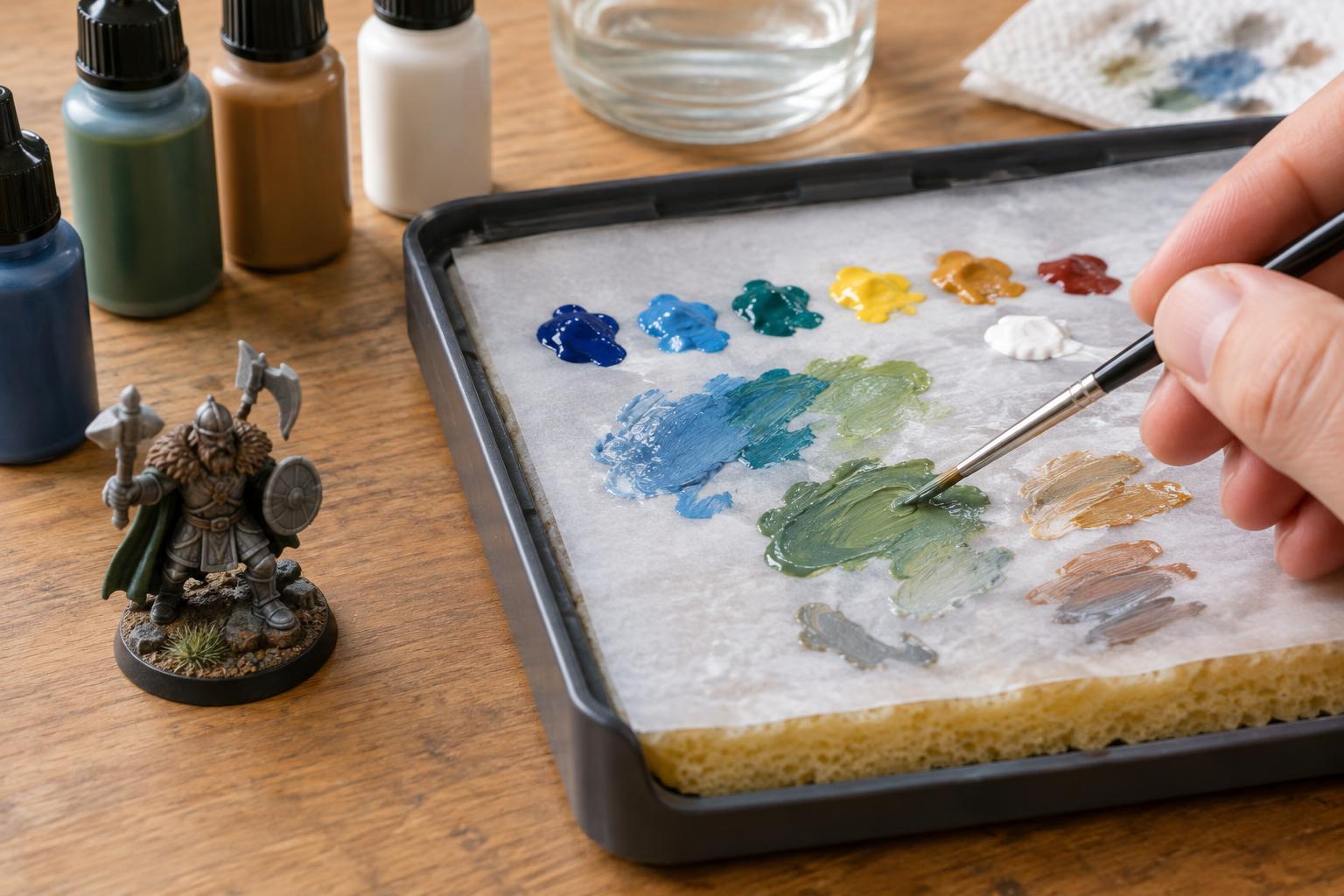
Tabletop HobbiesA wet palette helps keep water-based acrylic paint workable while you paint miniatures. Learn how to assemble one, control moisture, mix colors, and clean it between sessions.
Read article · 4 min↗
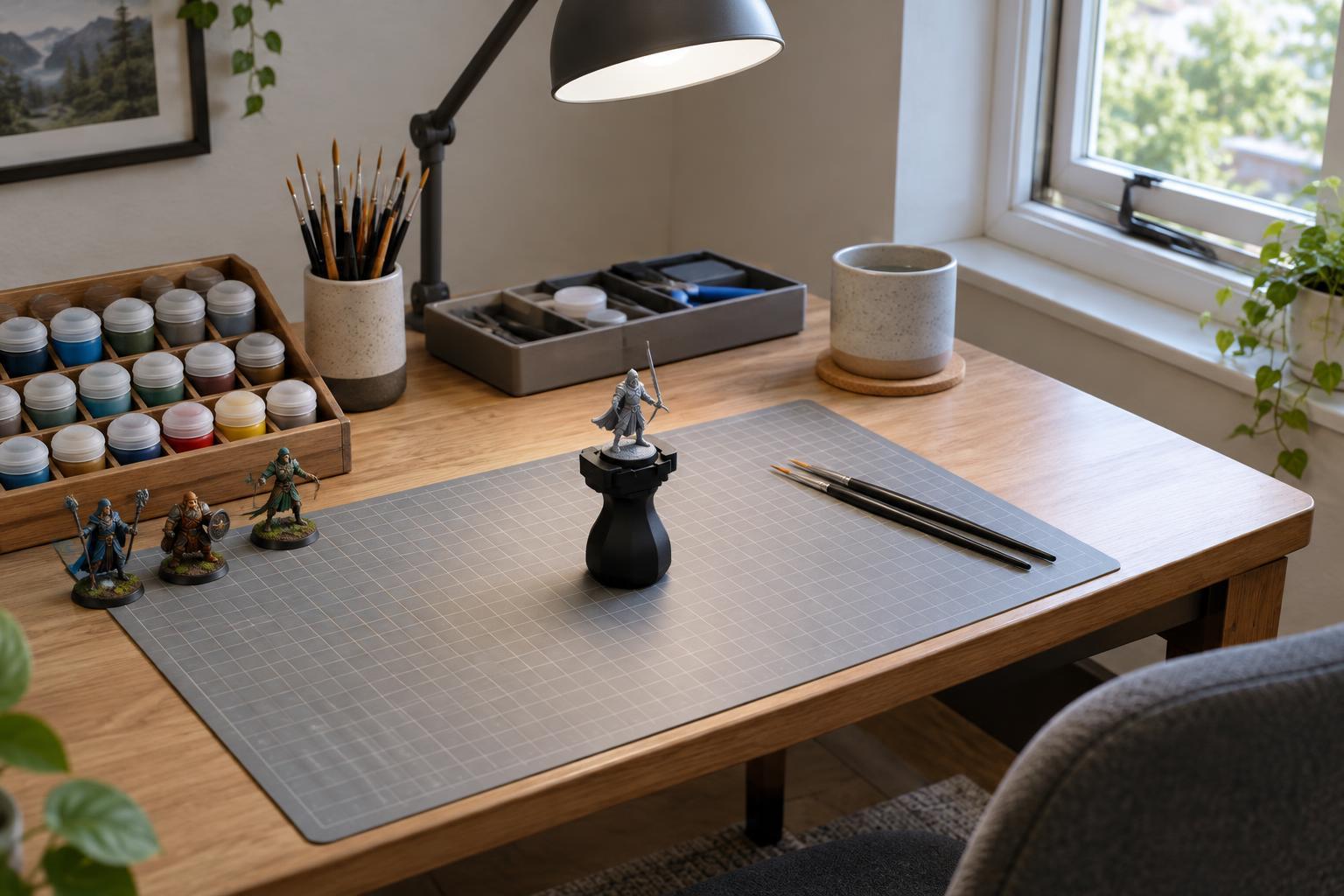
Tabletop HobbiesA good miniature painting space does not need to be large. With steady light, a clear work surface, sensible storage and room to move, even a small desk can become a comfortable place to paint.
Read article · 4 min↗
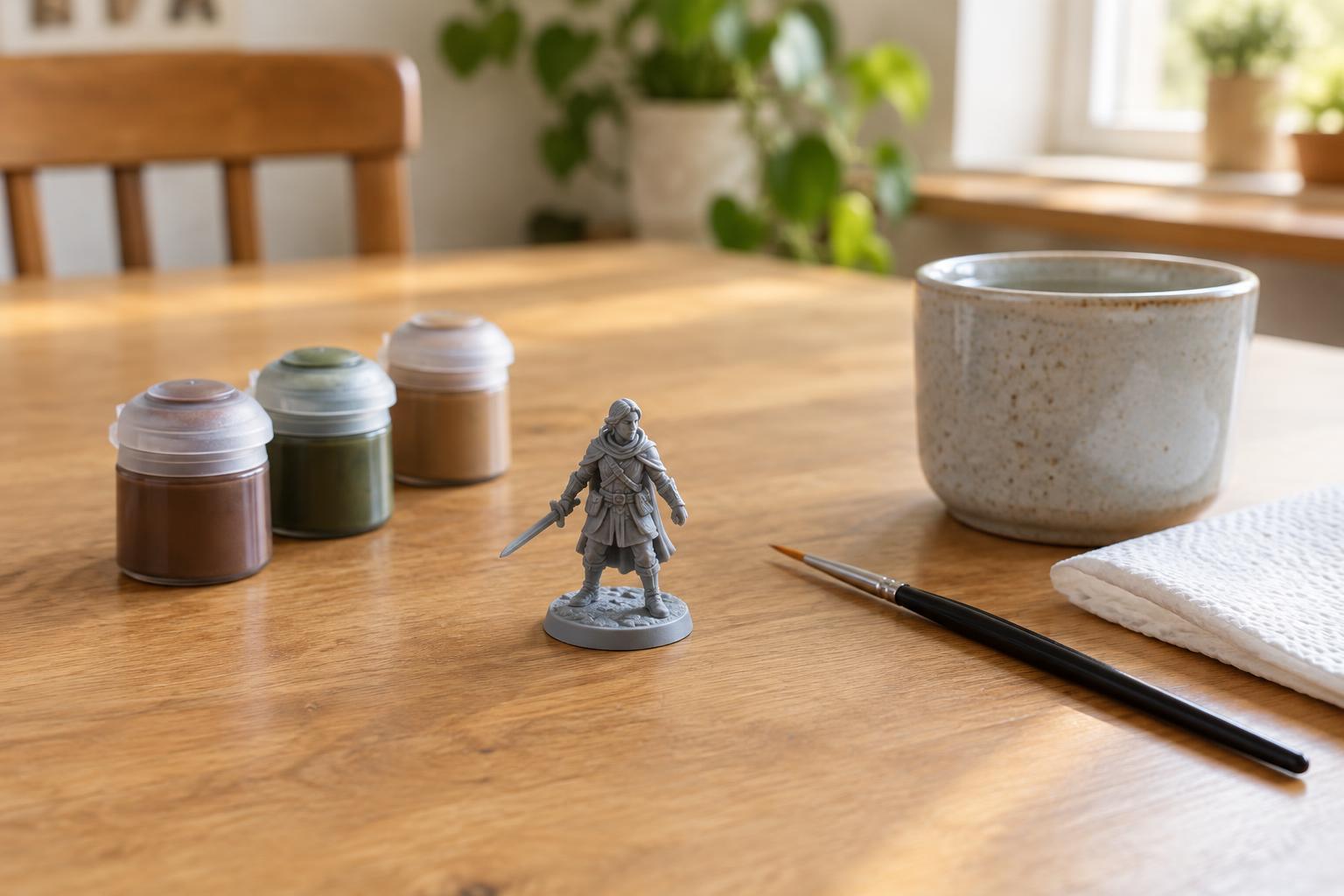
Tabletop HobbiesA first miniature project should be small enough to finish and interesting enough to keep you going. Learn how to choose a model, buy only the essentials, and save optional supplies for later.
Read article · 4 min↗
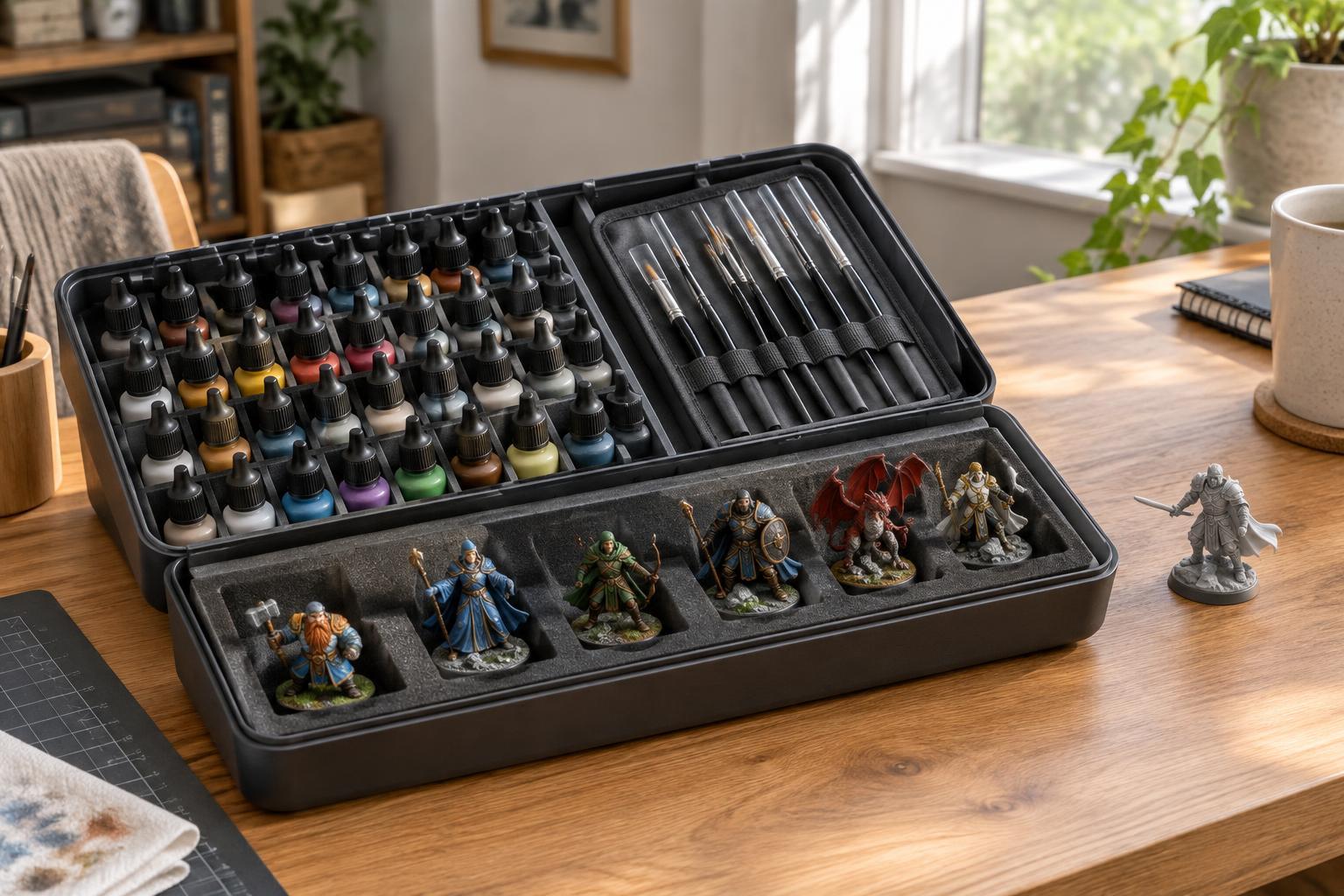
Tabletop HobbiesA practical storage routine can make the next miniature-painting session easier. Learn how to organize paints, protect brush tips, and pack finished and unfinished miniatures without turning your hobby space into a permanent workbench.
Read article · 4 min↗
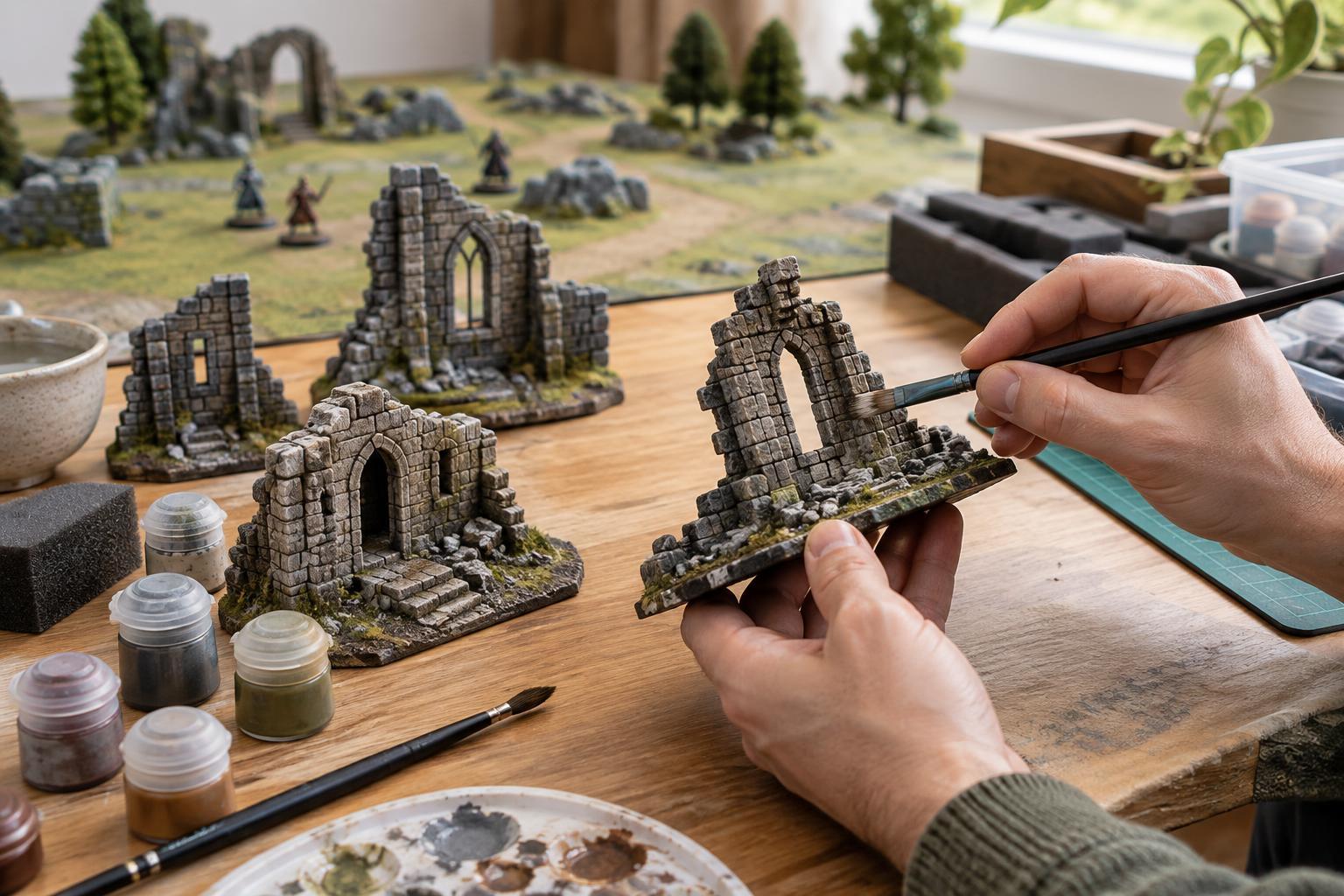
Tabletop HobbiesA practical approach to painting tabletop terrain that looks clear from across the table and holds up to regular play. Learn how to prepare different materials, build readable color and protect finished pieces.
Read article · 4 min↗
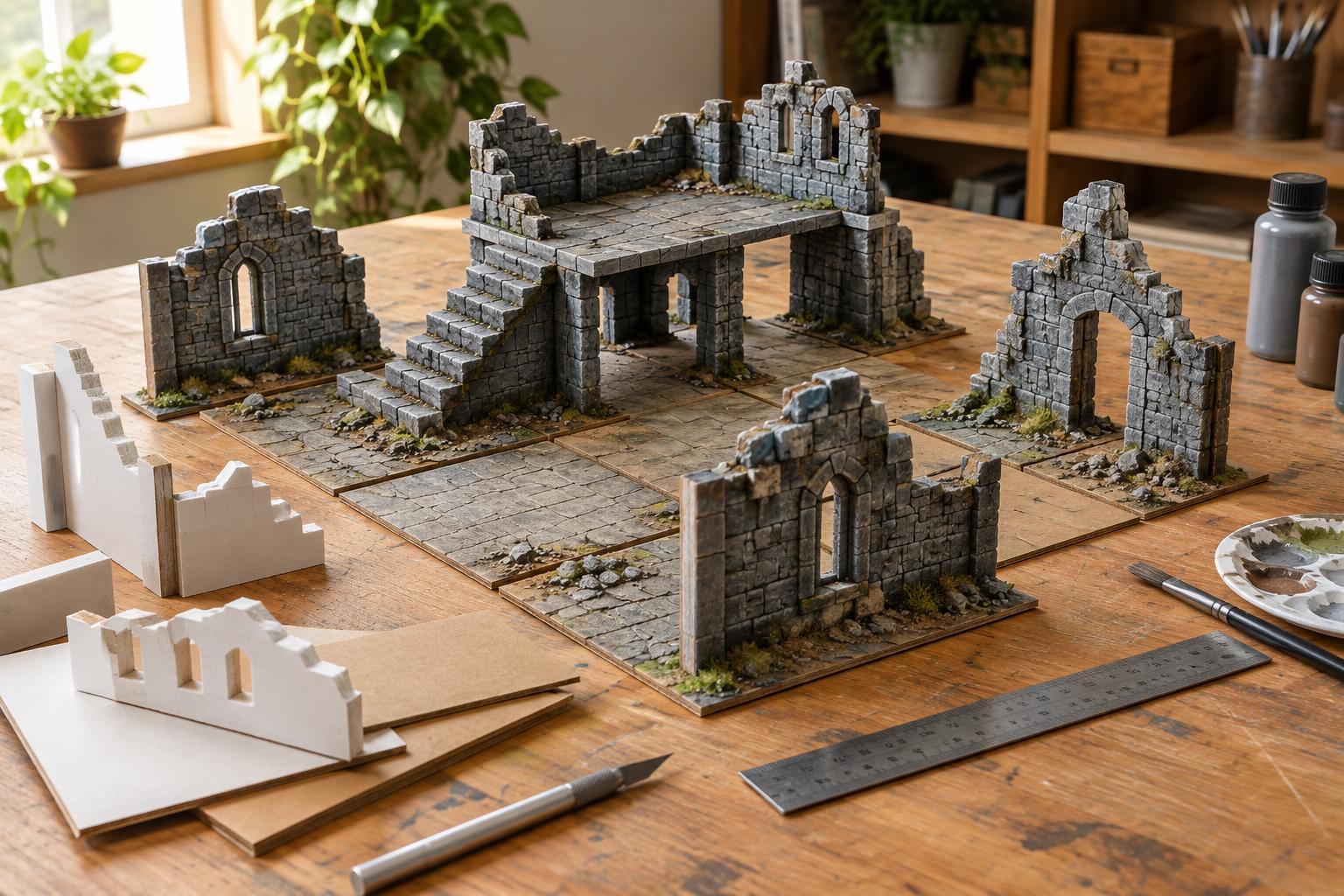
Tabletop HobbiesTurn foam board and cardboard into reusable walls, ruins and raised platforms for tabletop games. This beginner-friendly guide covers planning a modular layout, building sturdy pieces, adding texture and storing your terrain between game nights.
Read article · 4 min↗
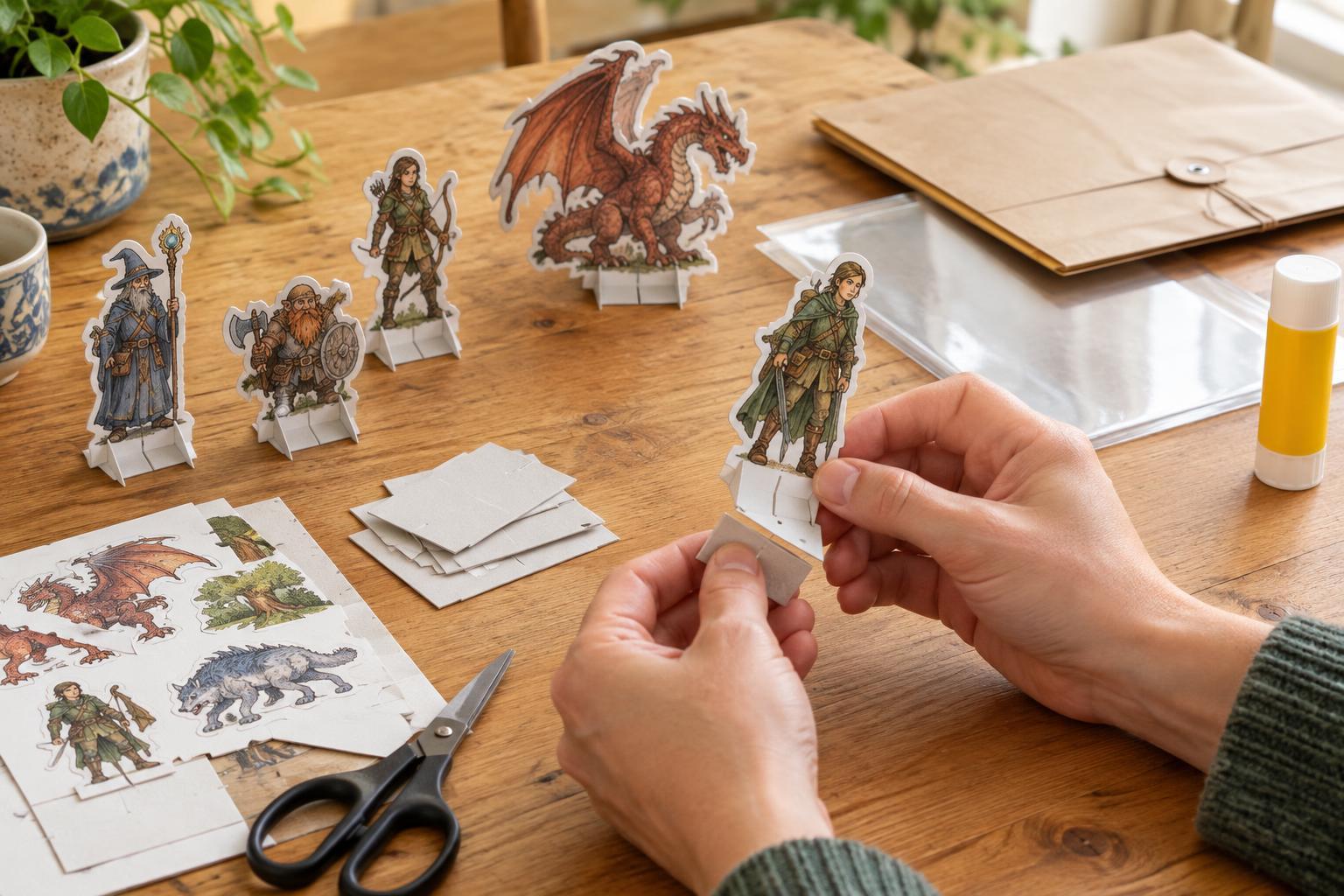
Tabletop HobbiesPaper miniatures are an inexpensive, flexible way to fill a tabletop with characters, creatures and scenery. Learn how to choose materials, build stable stands, protect your artwork and store finished figures for the next adventure.
Read article · 4 min↗
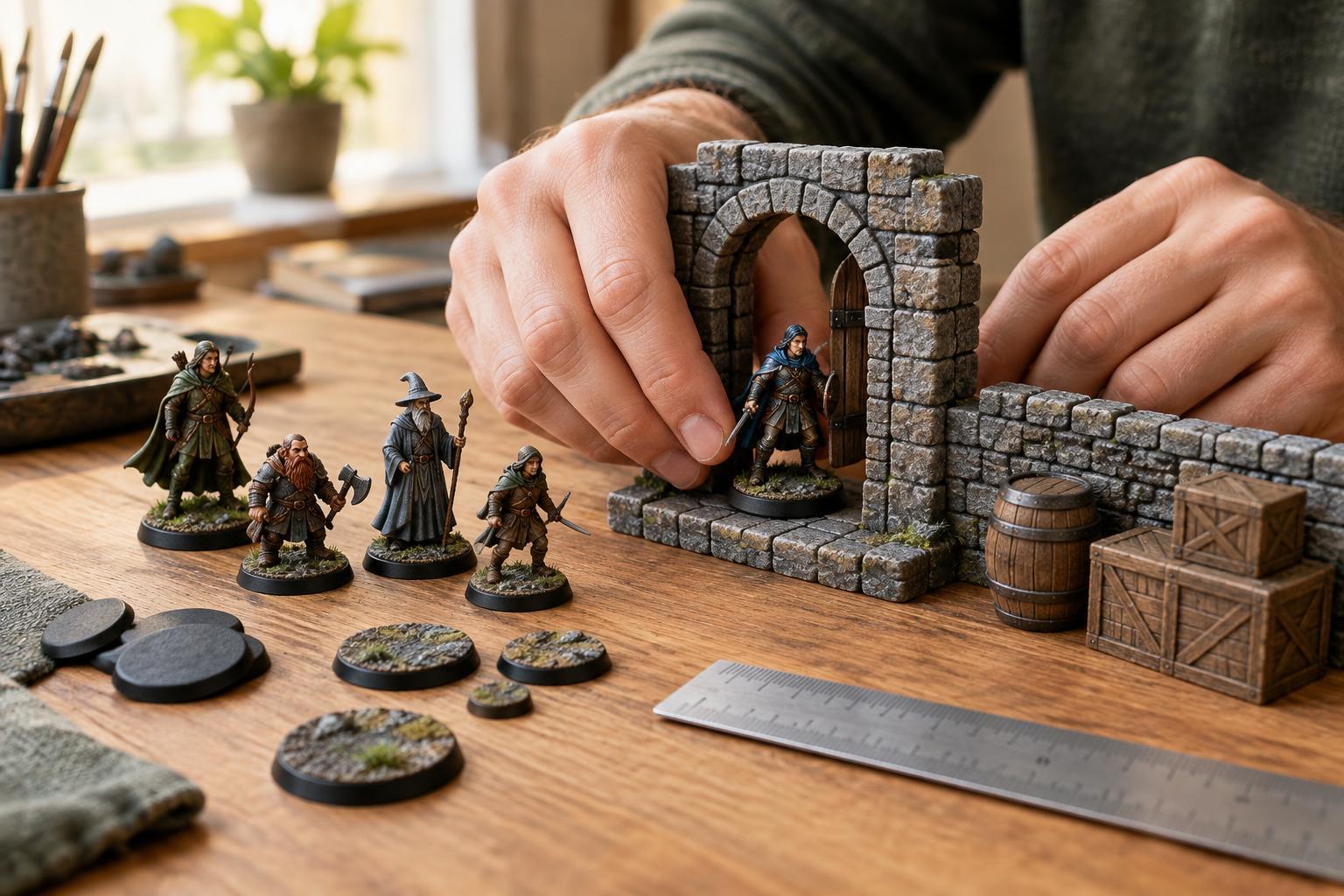
Tabletop HobbiesA miniature’s scale label is a starting point, not a guarantee that everything on the table will match. Learn how ratios, millimeter sizes, proportions, bases, and terrain footprints work together so you can build a tabletop scene that feels coherent.
Read article · 4 min↗
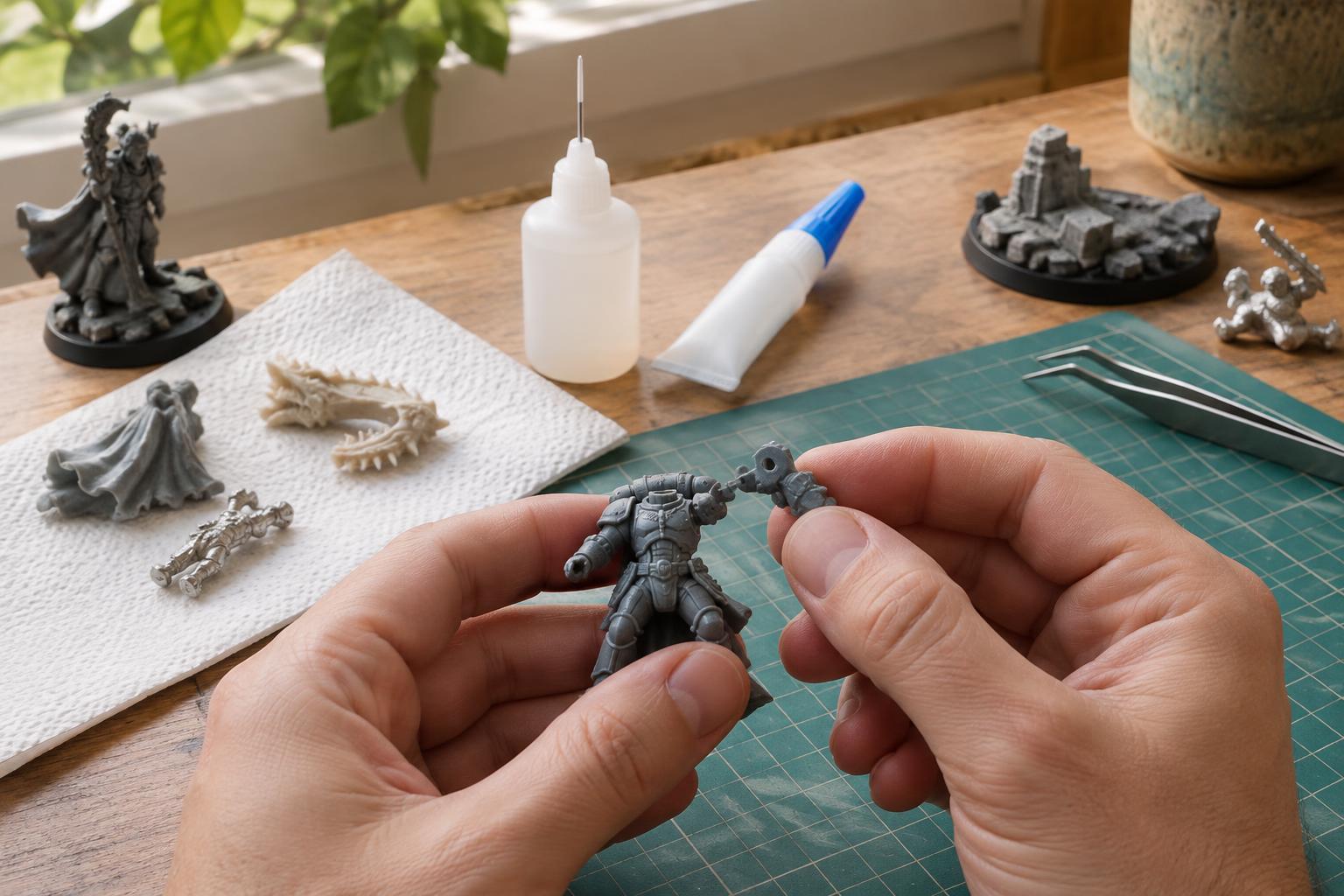
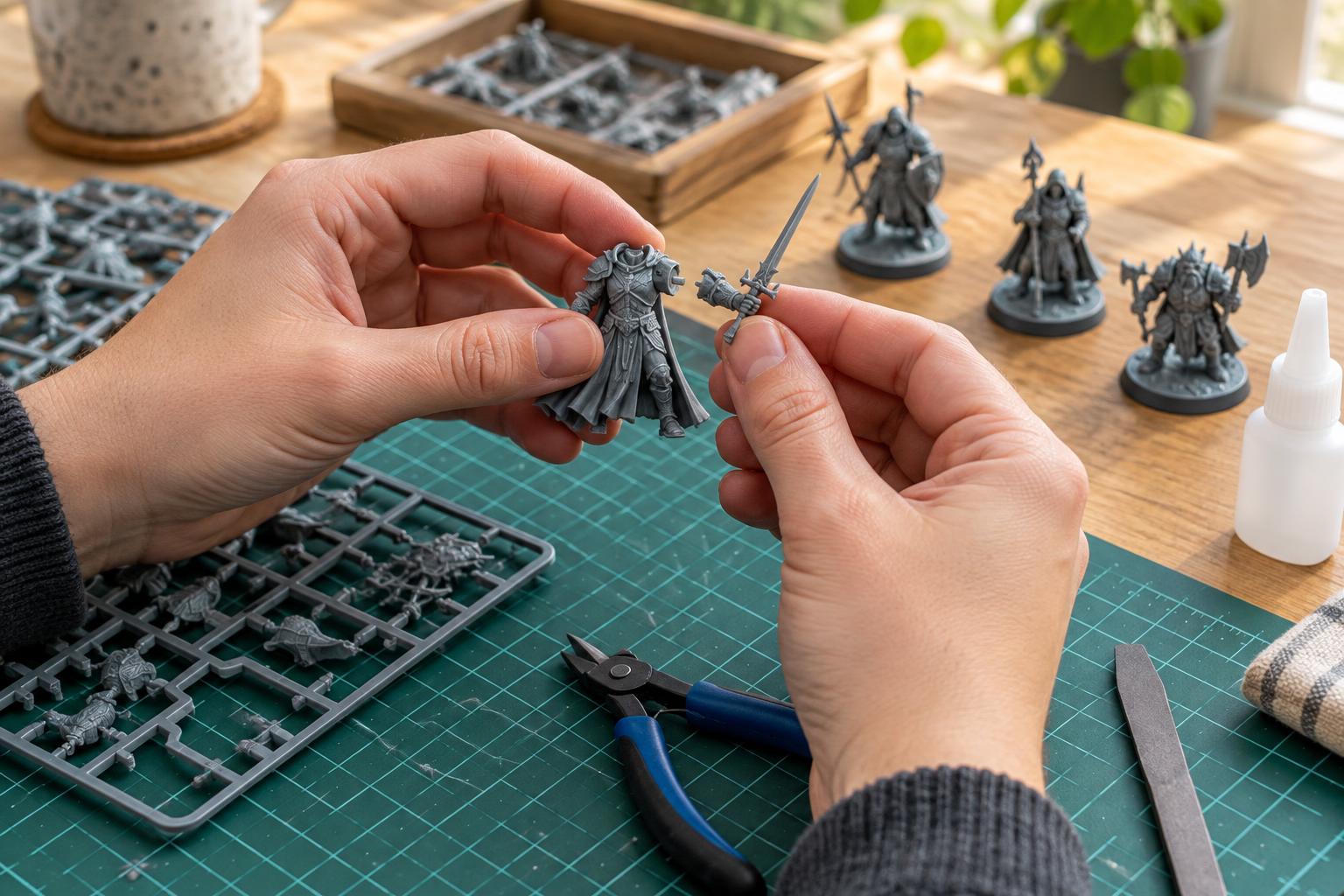
Tabletop HobbiesPlastic cement and super glue may look interchangeable on a hobby desk, but they join materials in different ways. Learn which one to choose for plastic, resin, metal and mixed-material tabletop models, plus how to make cleaner, sturdier joins.
Read article · 4 min↗
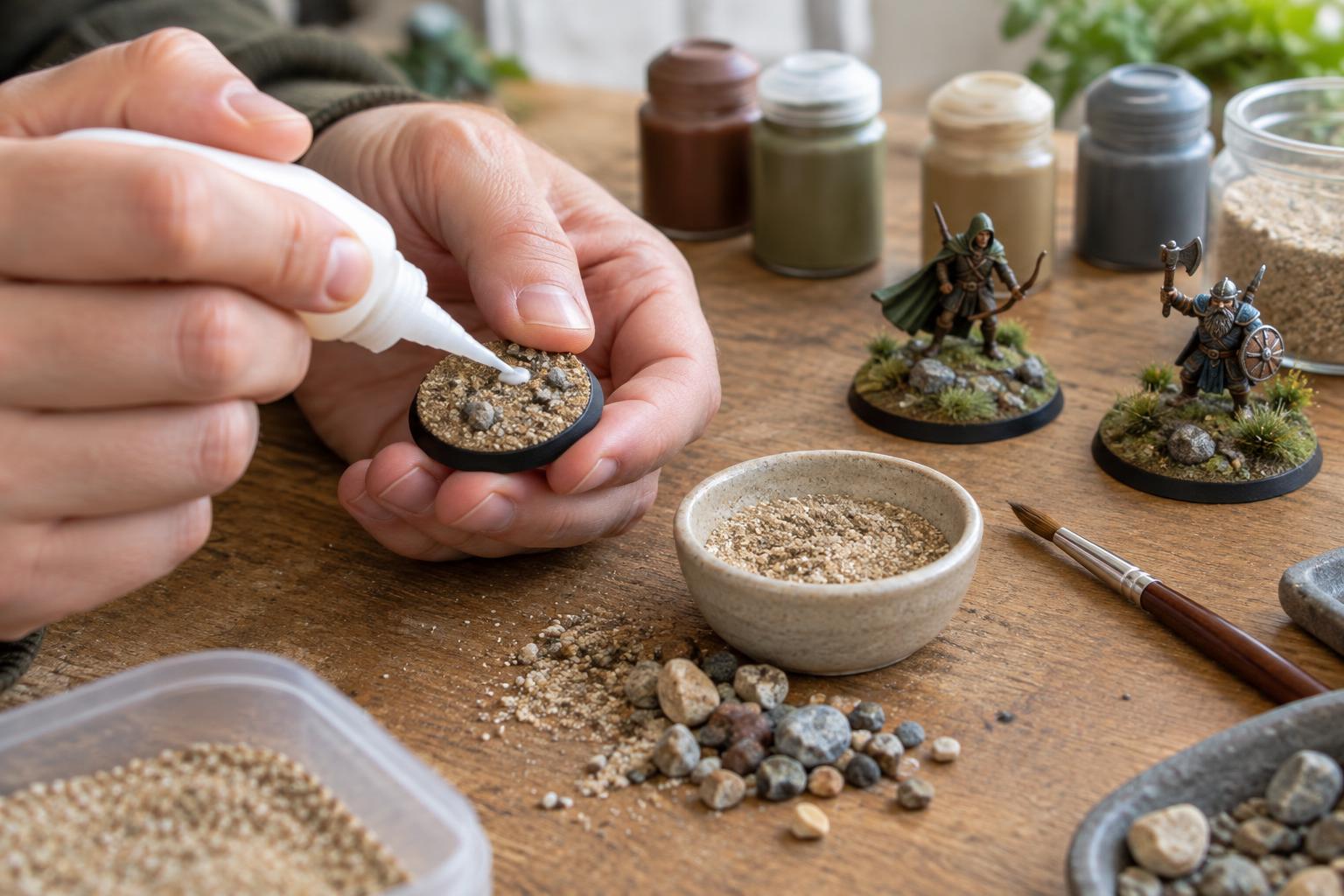
Tabletop HobbiesA scenic base can give a tabletop miniature a sense of place without demanding special tools or advanced painting skills. Learn a straightforward method using sand, small stones, glue and paint, plus a few easy ways to vary the result.
Read article · 4 min↗
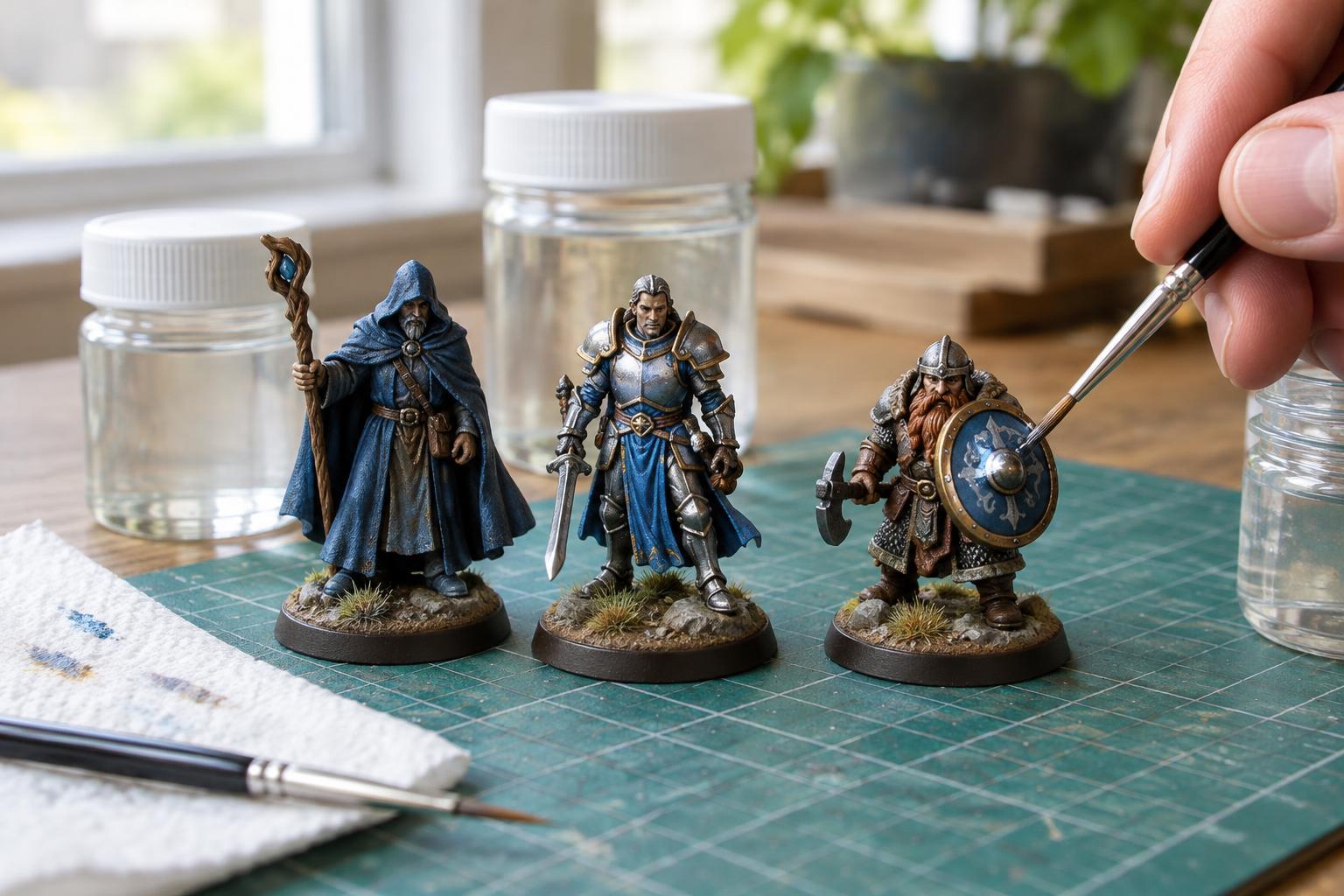
Tabletop HobbiesA clear coat can help a painted miniature stand up to handling while giving it a deliberate finish. Learn how matte, satin, and gloss varnishes change the look of a model, when to use each one, and how to apply them without obscuring fine details.
Read article · 4 min↗
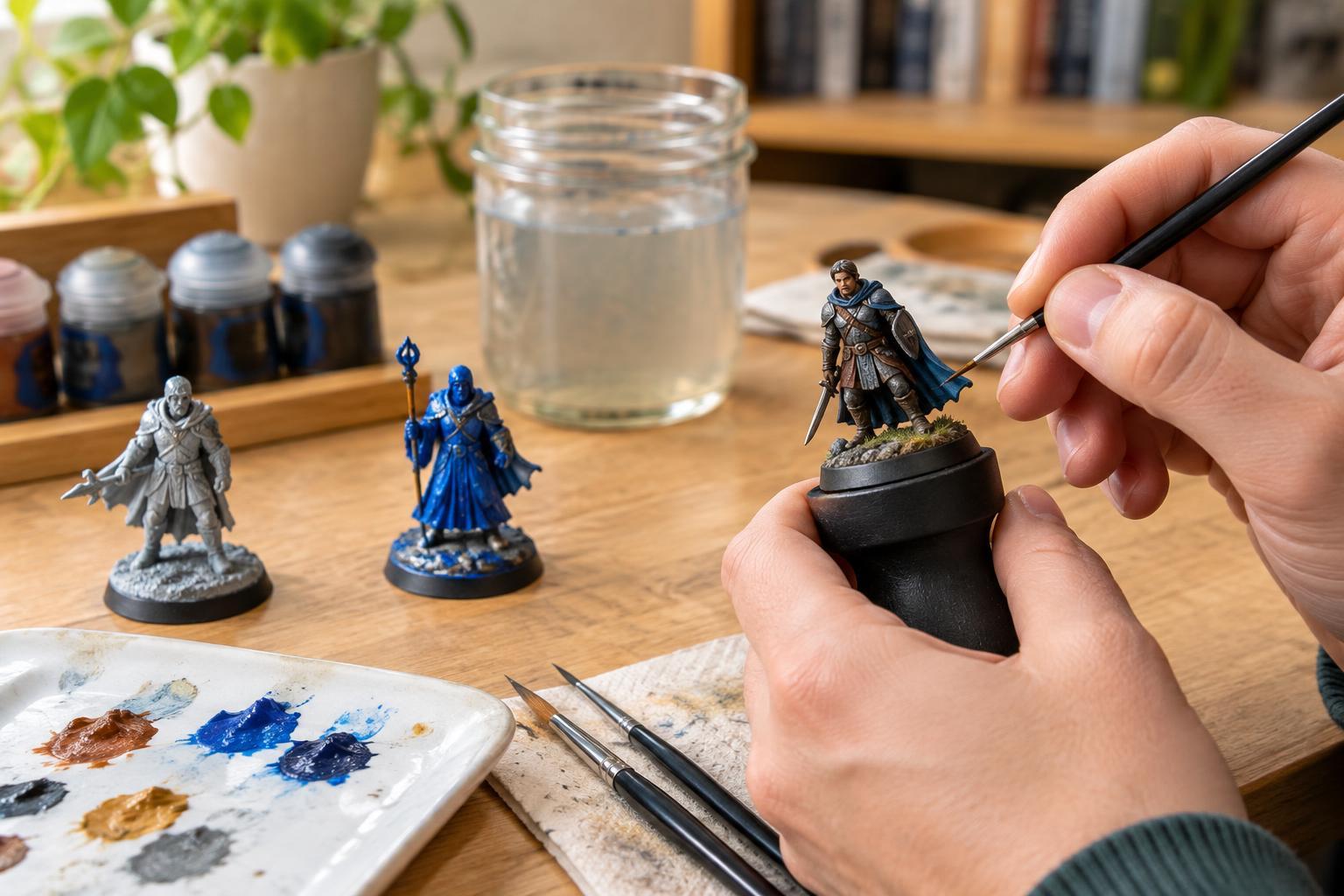
Tabletop HobbiesUneven primer, lumpy paint and messy details happen to nearly every miniature painter. Learn how to diagnose common problems, make simple repairs and build habits that make painting more enjoyable.
Read article · 4 min↗
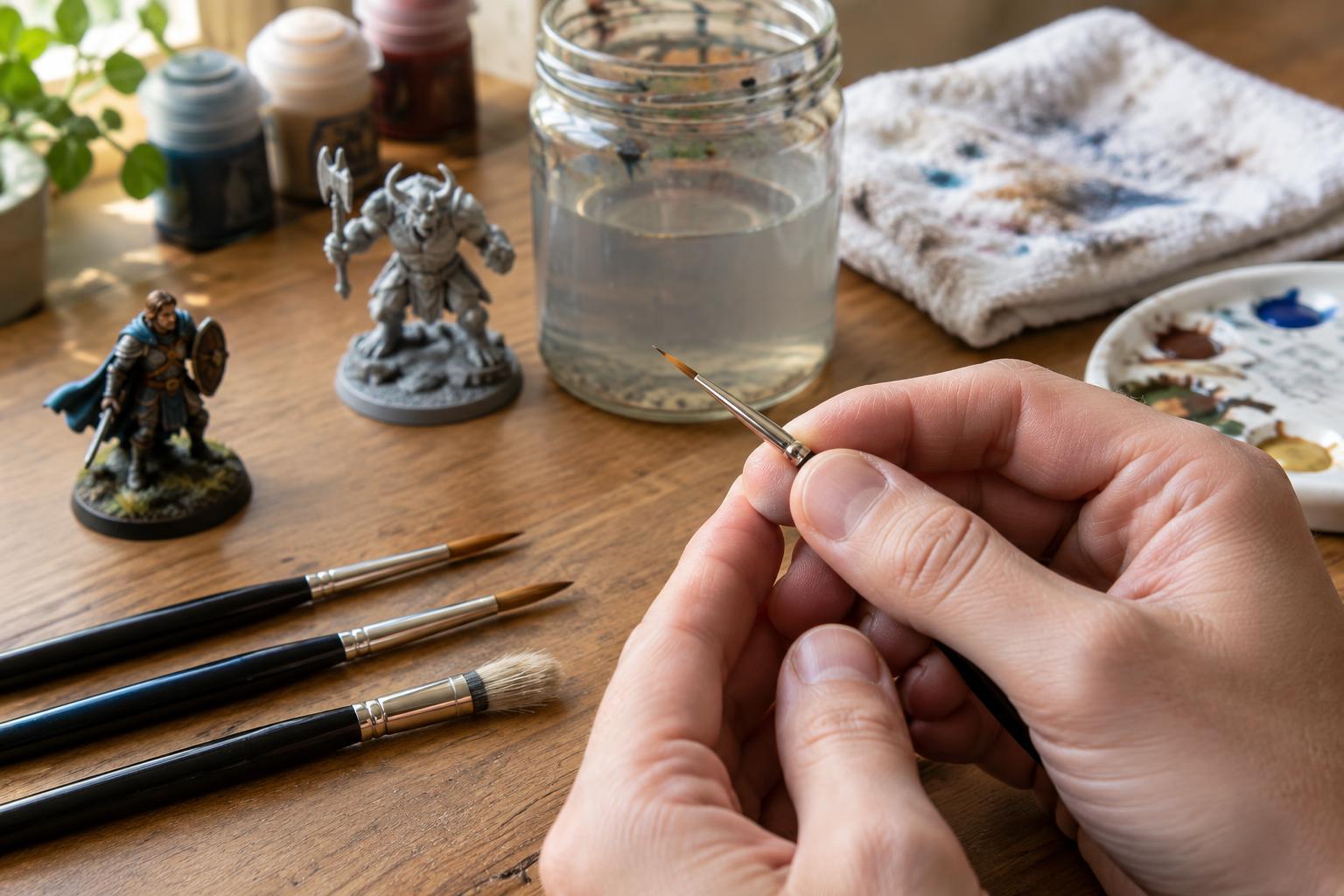
Tabletop HobbiesYou do not need a large brush collection to paint tabletop miniatures. Learn which brush shapes and sizes cover the basics, how to judge a good point, and simple cleaning habits that help brushes last.
Read article · 4 min↗
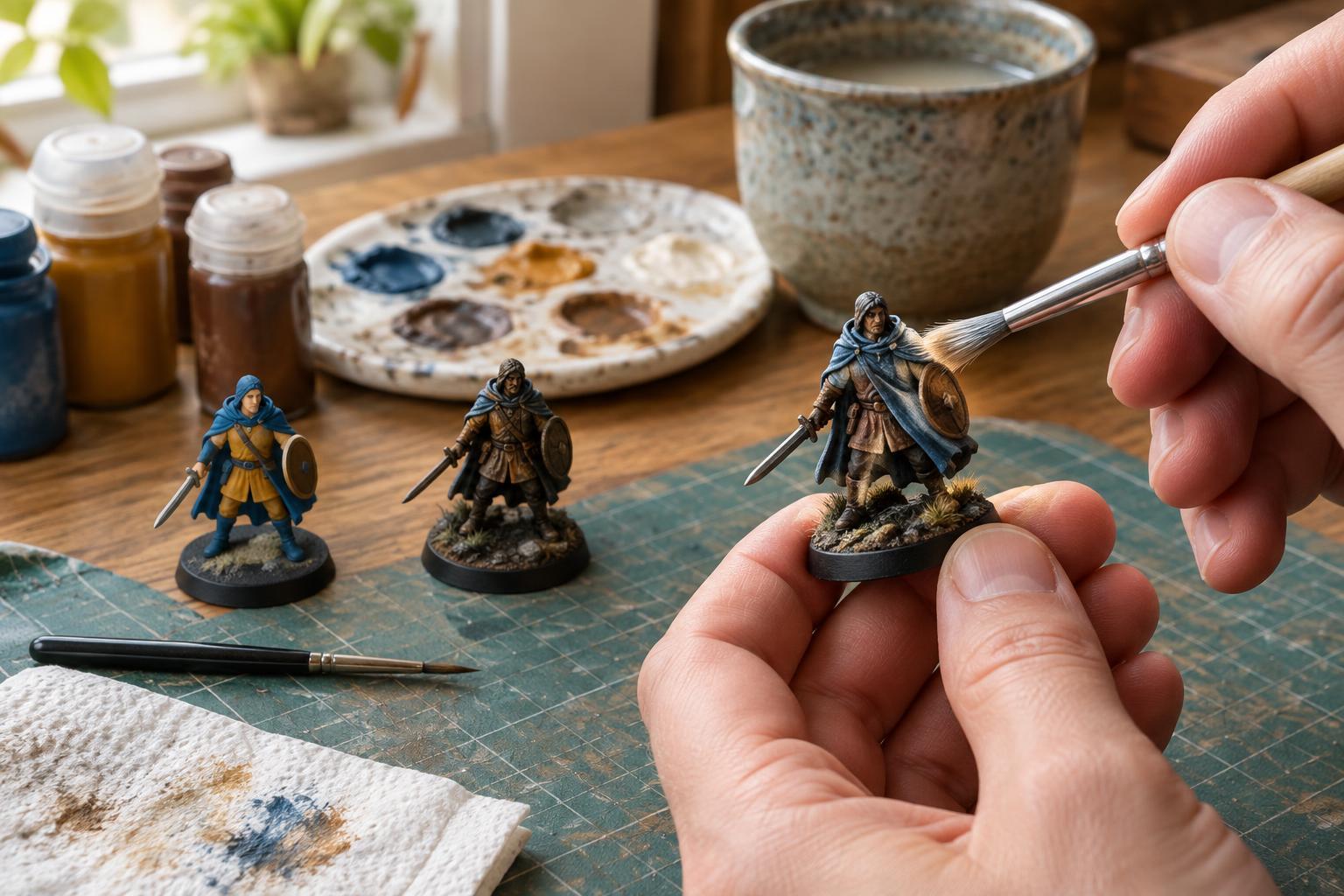
Tabletop HobbiesYou do not need a large paint collection to give a tabletop miniature clear shapes and depth. Learn how basecoating, washing, and drybrushing work together, what each technique does best, and how to avoid common beginner mistakes.
Read article · 5 min↗
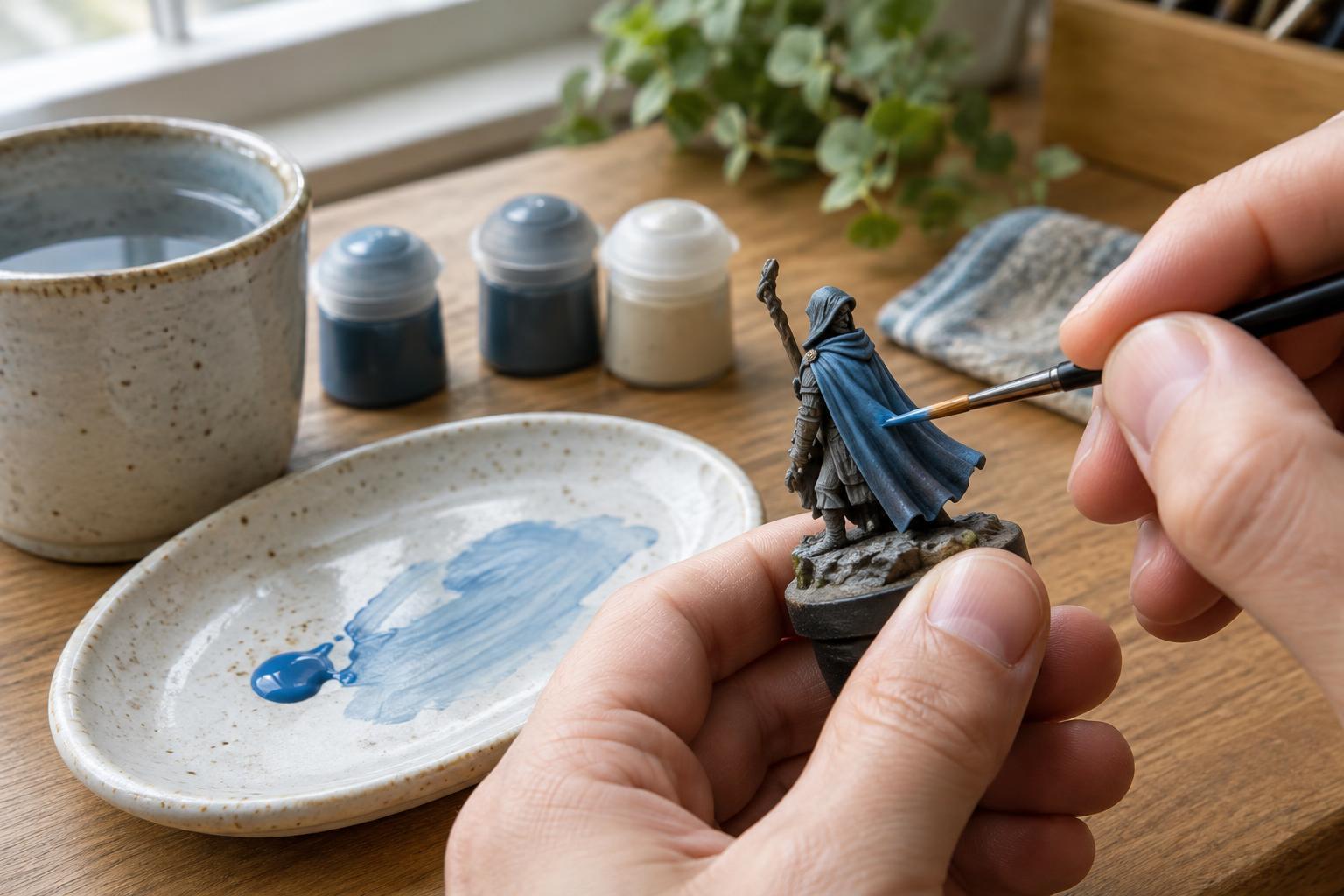
Tabletop HobbiesThin paint helps preserve the sculpted detail on a miniature, but too much water can leave a patchy finish. Learn how to judge consistency, adjust for different painting tasks, and build smooth color with controlled coats.
Read article · 4 min↗
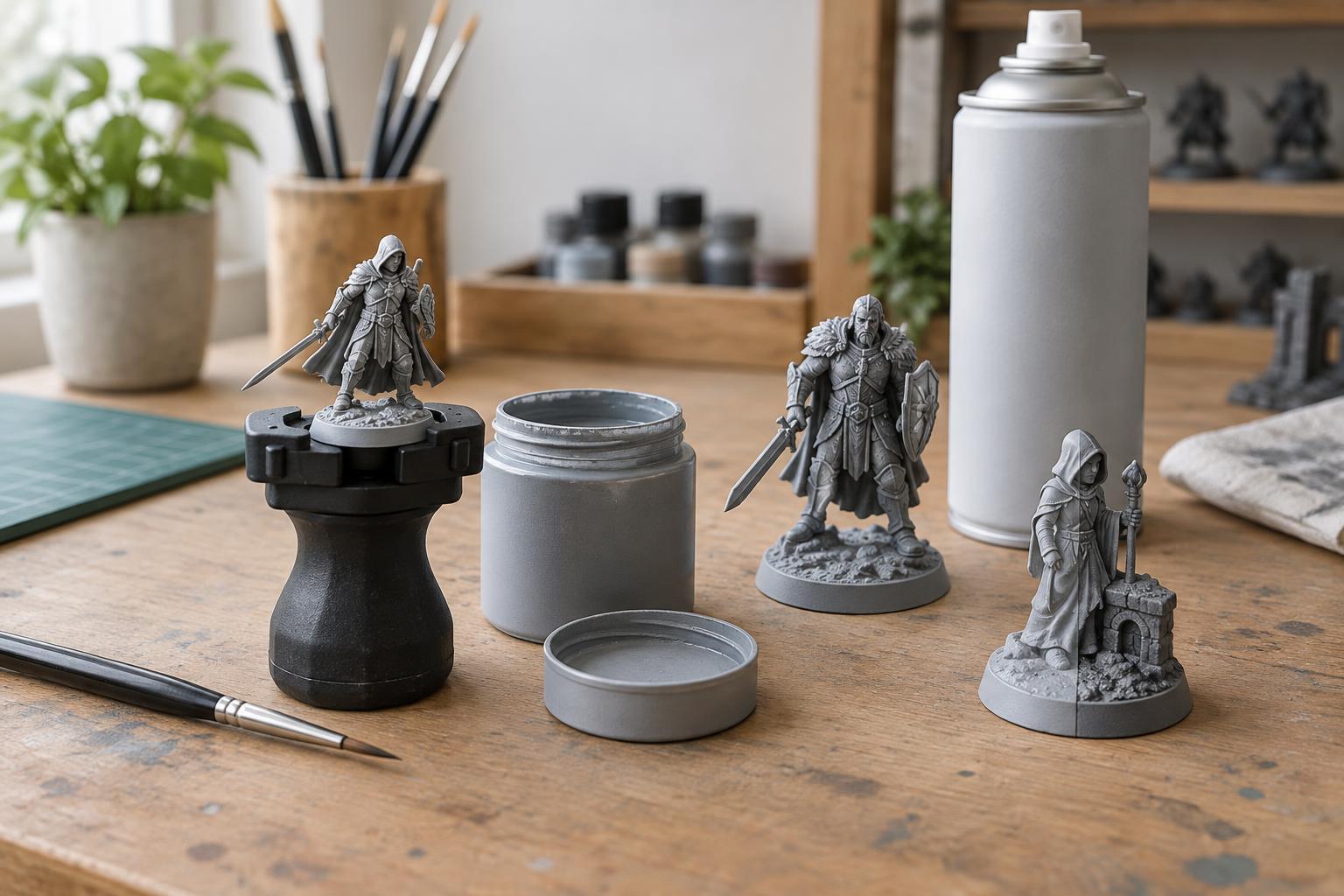
Tabletop HobbiesA good primer gives miniature paint a more reliable surface to grip. Learn when brush-on or spray primer makes sense, how to prepare a model, and what to do about pooling, grainy texture and missed recesses.
Read article · 4 min↗
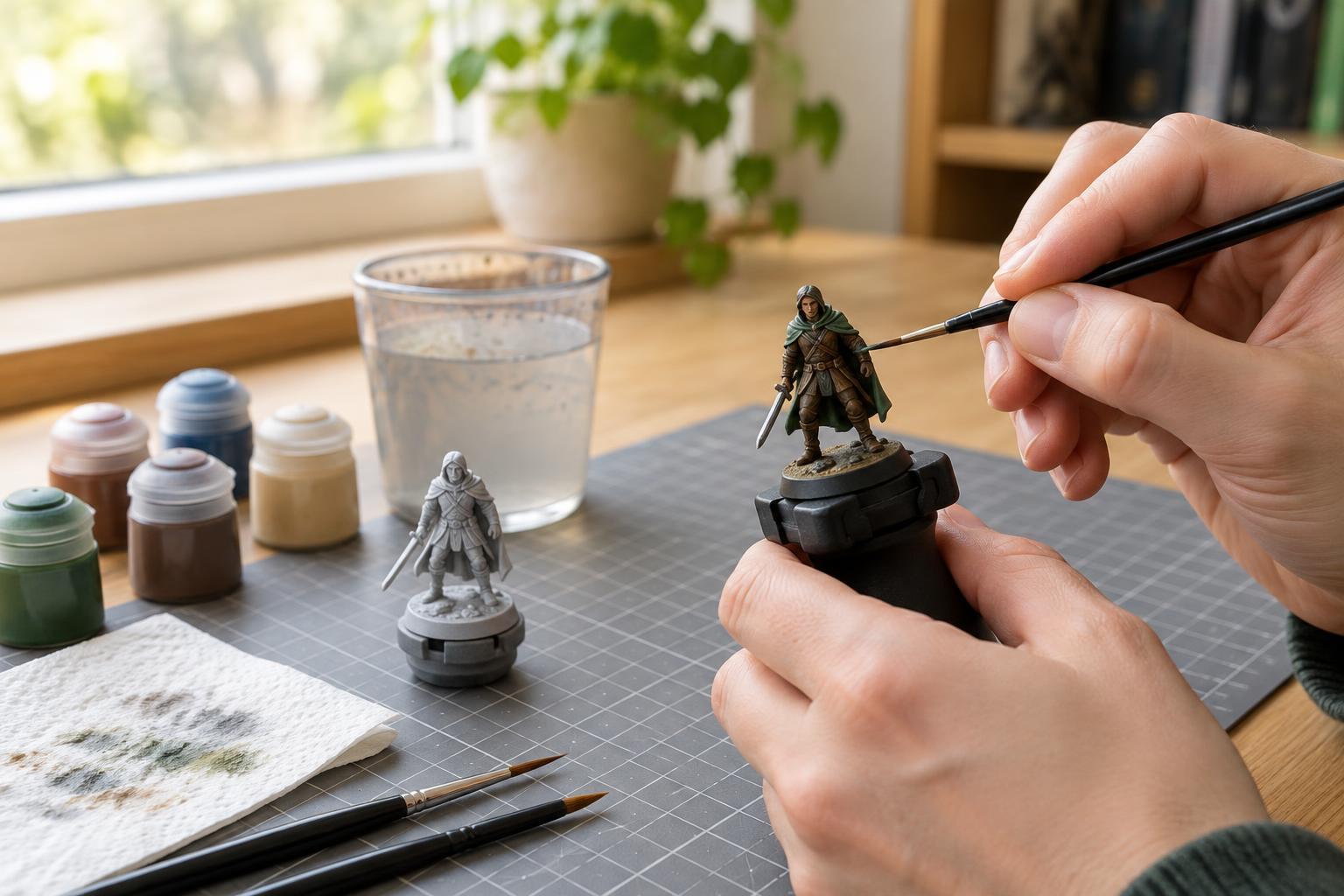
Tabletop HobbiesPainting a miniature can feel intimidating when every cloak, buckle, and face is smaller than a fingernail. You do not need a large paint collection or advanced techniques to begin. With a few basic tools, a prepared surface, and a simple plan, you can finish a figure that looks good on the table and learn what to try next.
Read article · 4 min↗