Agree on the Basics Before the First Turn
A comfortable game night starts with a few shared expectations. Before setting up, say whether anyone is learning the game, how long the group wants to play, and whether the game contains hidden information or surprises. If one person knows the rules, they can give a short overview of the goal and turn structure, then explain finer points as they become relevant. This is often easier to follow than a long reading of the rulebook.
It also helps to decide how the group will handle mistakes. In a relaxed game, players might allow a move to be taken back if no new information has appeared. In another group, completed turns may stand. Neither approach is universally right; agreeing early prevents an awkward debate later. A quick reminder that questions are welcome can make new players more willing to speak up.
Keep Turns Moving Without Rushing People
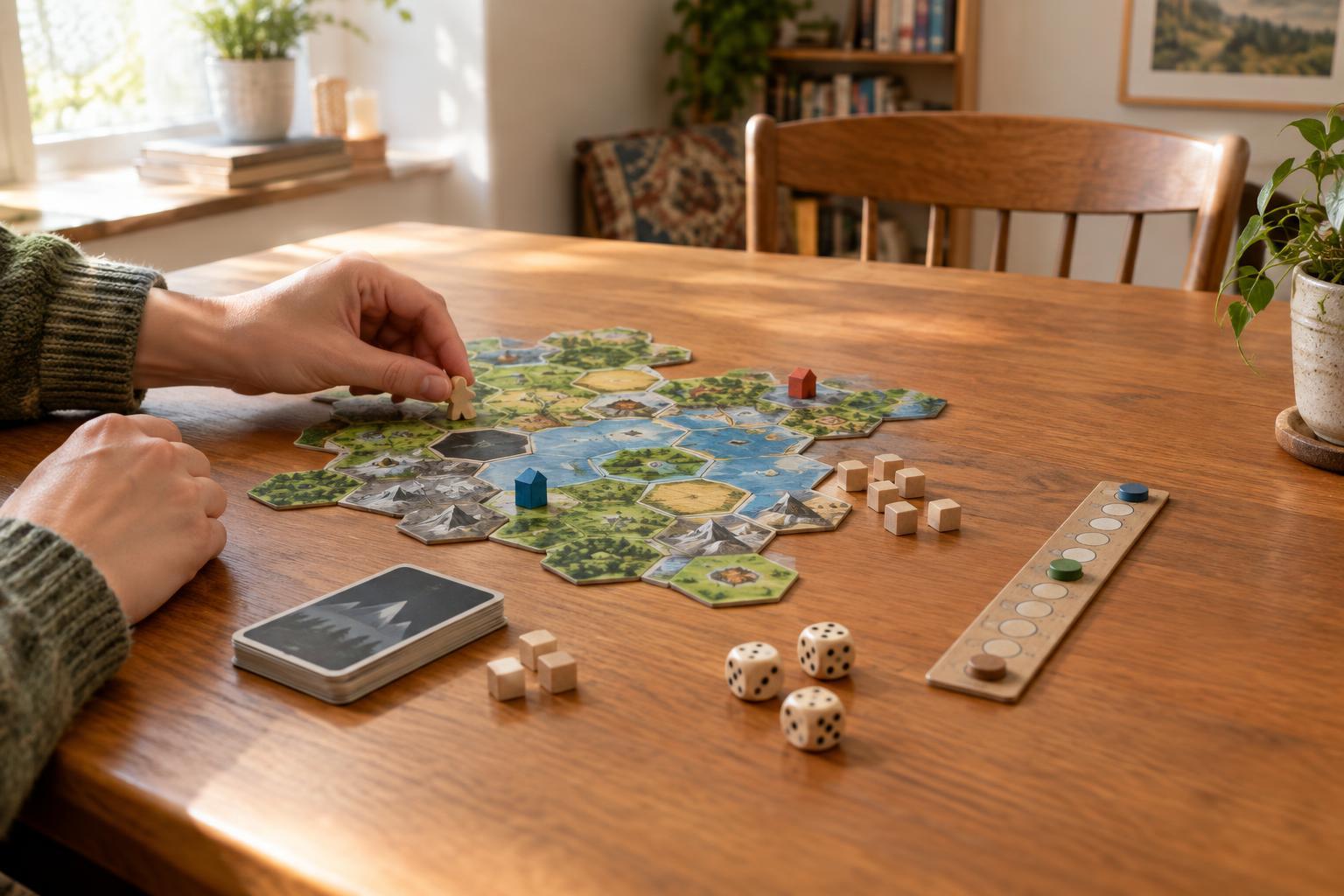
Pay attention when other players act, even when it is not your turn. In many games, you can review your options while someone else moves. When your turn arrives, state what you are doing clearly enough for others to follow, especially if you are spending resources, moving several pieces, or resolving effects in order. Check that an action is finished before the next player begins.
Thinking time is part of playing, particularly in an unfamiliar or complex game. Give people room to consider a decision without narrating their delay. If a player seems stuck, ask whether they would like a rules reminder rather than offering an unsolicited strategy. Players can also help the pace by setting aside unrelated conversations during tricky turns and keeping phones from becoming a distraction.
If a game repeatedly slows down, address the pattern between rounds rather than singling someone out mid-turn. The group might try a simpler game, keep a brief reference sheet nearby, or agree to make a reasonable choice instead of searching for the perfect one. The aim is a pace everyone can enjoy, not a race.
Treat Components as Shared Equipment
Cards, tiles, boards, and miniatures are easier to enjoy when everyone handles them with care. Ask before eating over a game, keep drinks where a spill is less likely to reach the table, and use clean, dry hands when handling cards. If a piece is delicate or a card has a particular way it should be revealed, let the owner or host demonstrate it first.
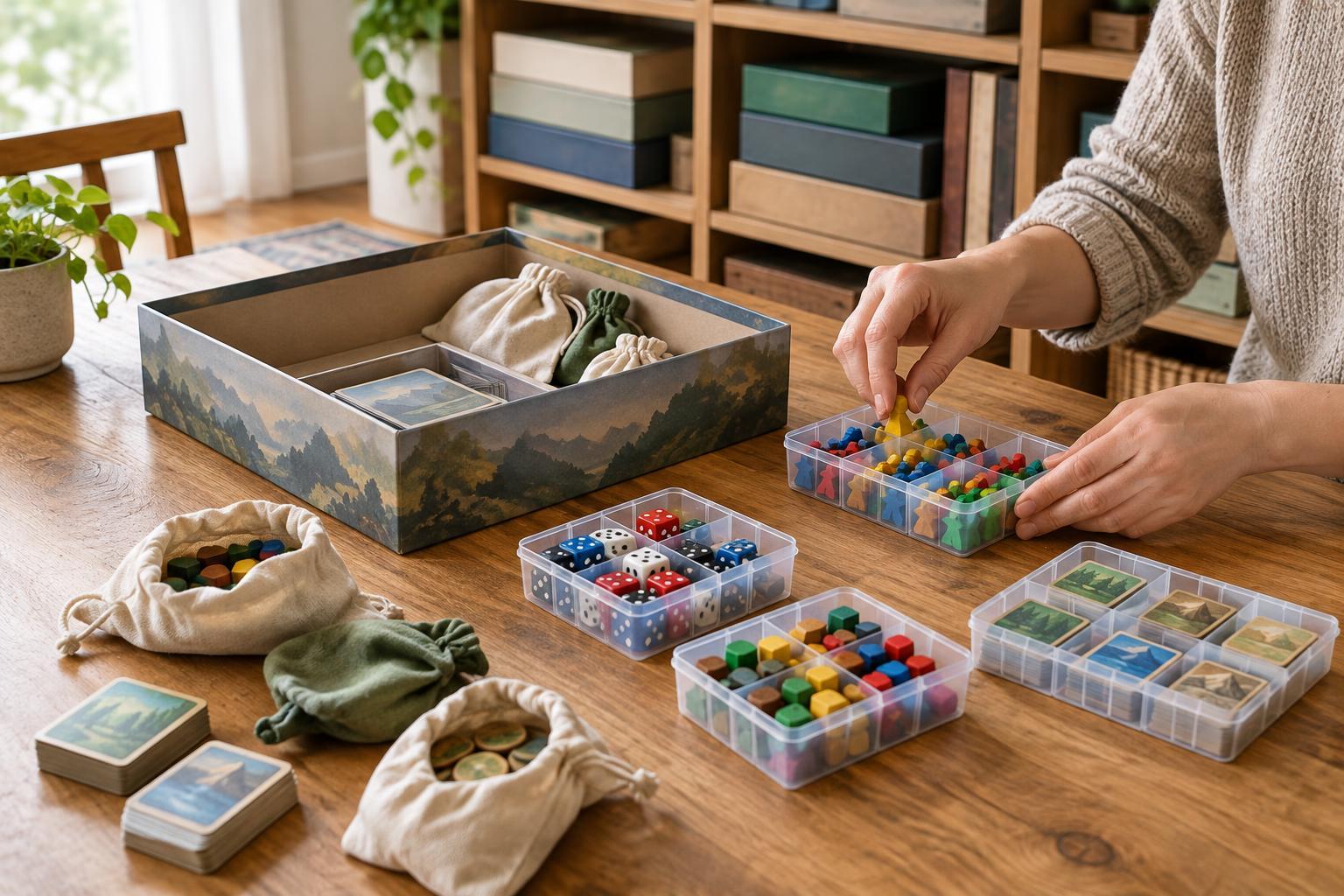
Return pieces to their places after checking them, and avoid absent-mindedly bending cards, spinning dials, or rearranging another player's area. When passing a game component, place it where the next person can reach it rather than tossing it across the table. At the end, help count and pack up components according to the box insert or the owner's preferred system. A little care during play can save a long search for a missing token afterward.
Protect Hidden Information and Surprises
Some games depend on information that not every player should have. Do not look at someone else's hand, peek at facedown pieces, or reveal a private objective through a casual comment. Even a reaction can give something away, so try to let players make discoveries at the intended moment. If you accidentally see hidden information, say so promptly and ask the group how it wants to proceed.
Spoilers also matter outside a single session. A player who has finished a mystery, campaign, or scenario may know an answer that newcomers are meant to uncover. Before discussing solutions, plot turns, or unusual components, check whether everyone present has played that part. When explaining rules, distinguish between information players need to begin and surprises the game will introduce later. You can still answer direct questions while giving people a choice about how much they want to know.
Make Room for Good Play and Good Company
Competition can be lively without becoming personal. Celebrate clever moves, accept setbacks, and avoid treating a rules correction as an attack. When a disagreement arises, pause and check the rule together. If the wording remains unclear, the group can choose a consistent interpretation for the rest of the session and revisit it afterward. That keeps one disputed detail from taking over the evening.
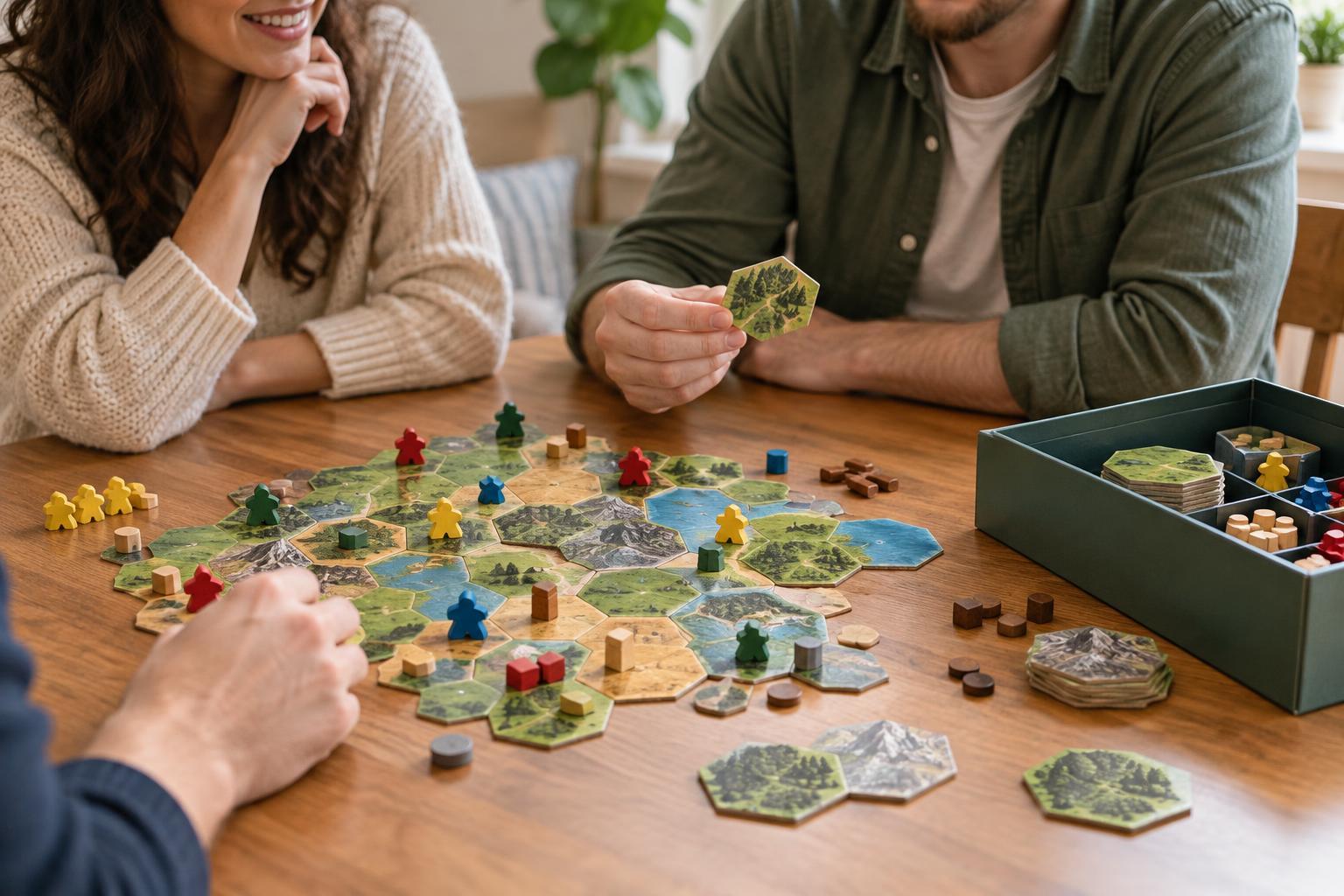
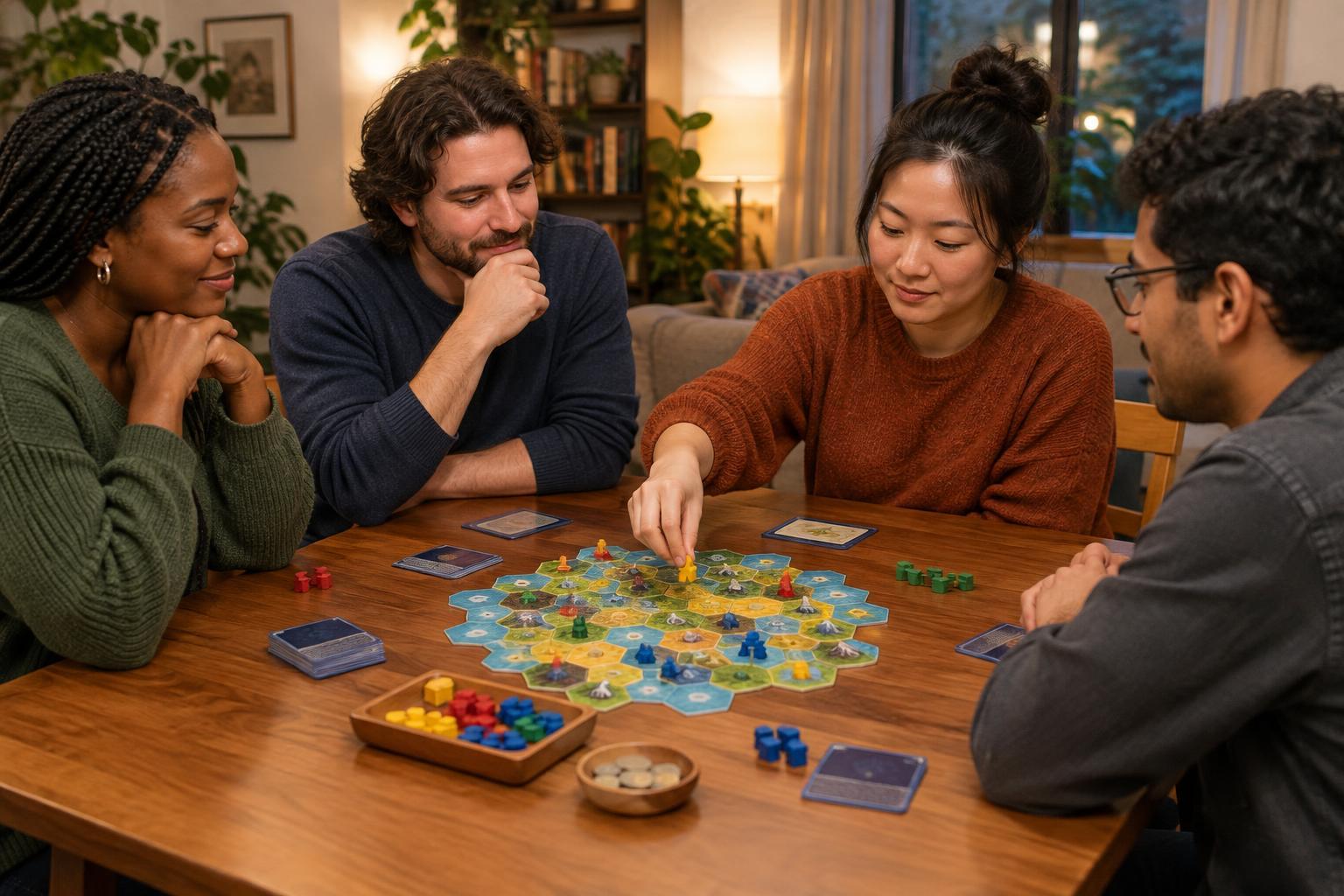
Etiquette also includes noticing whether everyone has a chance to participate. Experienced players can resist making decisions for a teammate; quieter players can be invited to share an idea without being put on the spot. If someone needs a break, help find a natural stopping point. The best habits are simple: pay attention, ask before assuming, and remember that the people around the table matter more than any single move.