What makes a board game work for one player?
In a multiplayer board game, other people make choices you cannot fully predict. A solo mode needs another way to create uncertainty, pressure, or a goal worth pursuing. It might ask you to beat a target score, solve a difficult setup, or compete against a simplified opponent controlled by cards and rules.
Solo play is usually more than taking every player’s turn yourself. A dedicated one-player mode may change the starting resources, limit the number of rounds, or add obstacles that appear as the game progresses. These adjustments give your decisions consequences without requiring you to manage several full player roles. The exact approach varies by game, so the solo rules are worth reading even if you already know how to play with a group.
The main types of solo challenge
In a beat-your-score mode, you play the game’s usual actions and measure the result against a target or your own previous attempts. The interesting question is often how to improve: should you commit to one strategy early, or stay flexible as new options appear? A personal best can be satisfying, but it is not the only useful measure. You can also notice whether you completed a plan you had struggled with before.
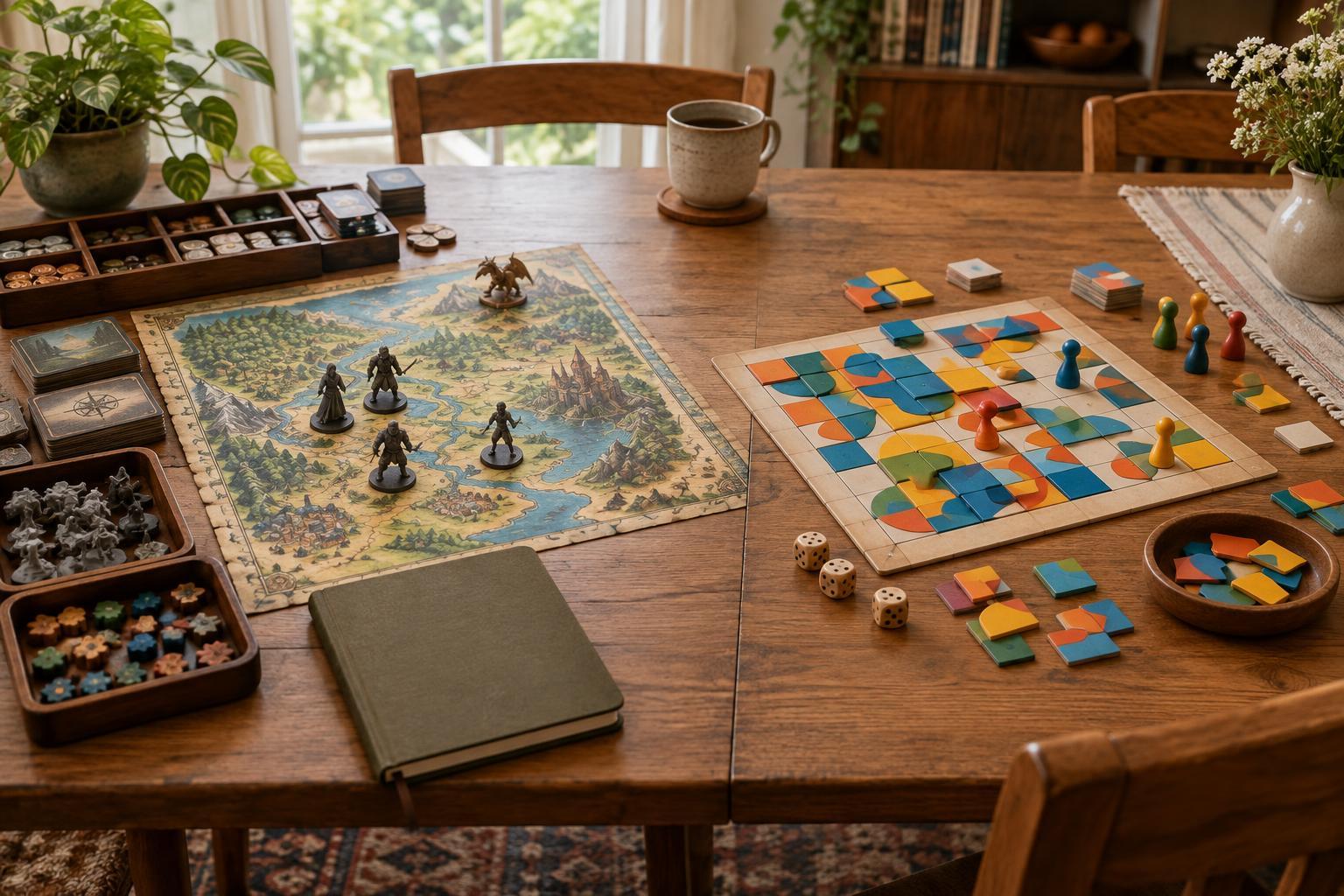
An automated opponent, sometimes called an automa, stands in for another player without making every decision a person would make. A card draw or priority list may tell it which space to claim, which resource to take, or when to score. This can make contested choices feel urgent while keeping its turns relatively short. Other games use scenarios or puzzles instead: you face a preset board, a special objective, or a series of obstacles rather than a rival. Some solo games combine these formats.
How an automated opponent takes a turn
An automated opponent usually follows a procedure, not a hidden strategy. Imagine that you finish your turn and reveal a card for the opponent. The card points to an action, such as taking the leftmost available item in a row. If that action is impossible, a fallback rule tells you what to do instead. You update the board, check whether either side has triggered an end condition, and continue.
The appeal is that you still have meaningful choices while the opponent remains quick to operate. It may block a space you wanted or advance toward its own goal, but you do not have to decide what it “would” do. Clear priorities matter: when a rule says to choose the highest-value option, check how ties are resolved before playing. Following the procedure consistently makes your results easier to compare across sessions.
Choosing a solo mode that fits your mood
Start with the kind of experience you want. If you enjoy planning and improving a system, a score challenge may be enough. If you like adapting to interference, look for an automated rival. If you prefer a defined problem with a clear finish, try a scenario-based mode. Play time matters too: a short game can be easier to repeat when you want to test a different approach.
Before choosing a game, check whether solo play is included in its rules and whether it uses additional components. A game designed primarily for groups can still have an enjoyable solo mode, but it may feel different from multiplayer play. Also consider how much upkeep you like. Some players enjoy running a detailed opponent; others would rather spend almost all their time making their own decisions. Neither preference is more legitimate.
Getting started without getting bogged down
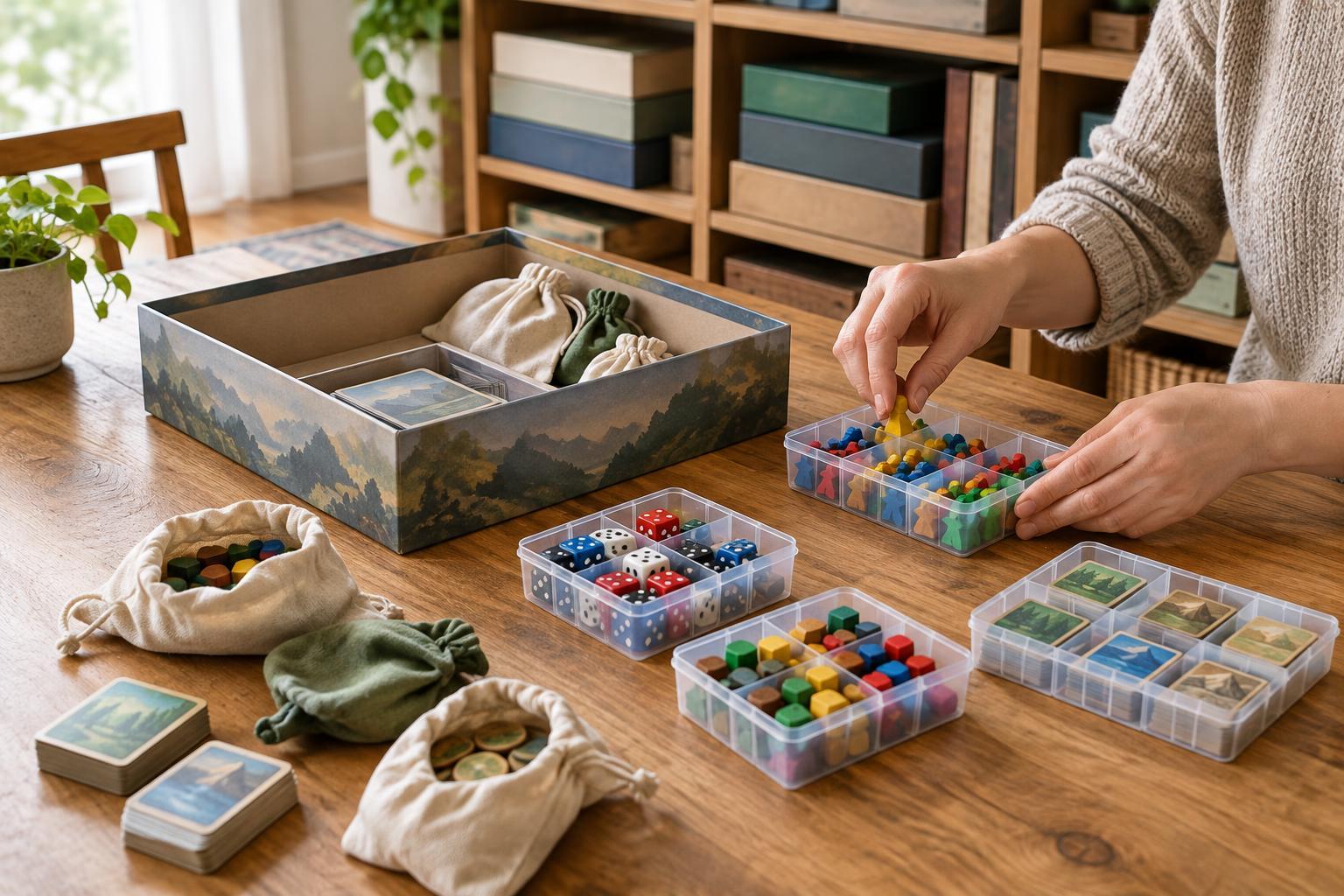
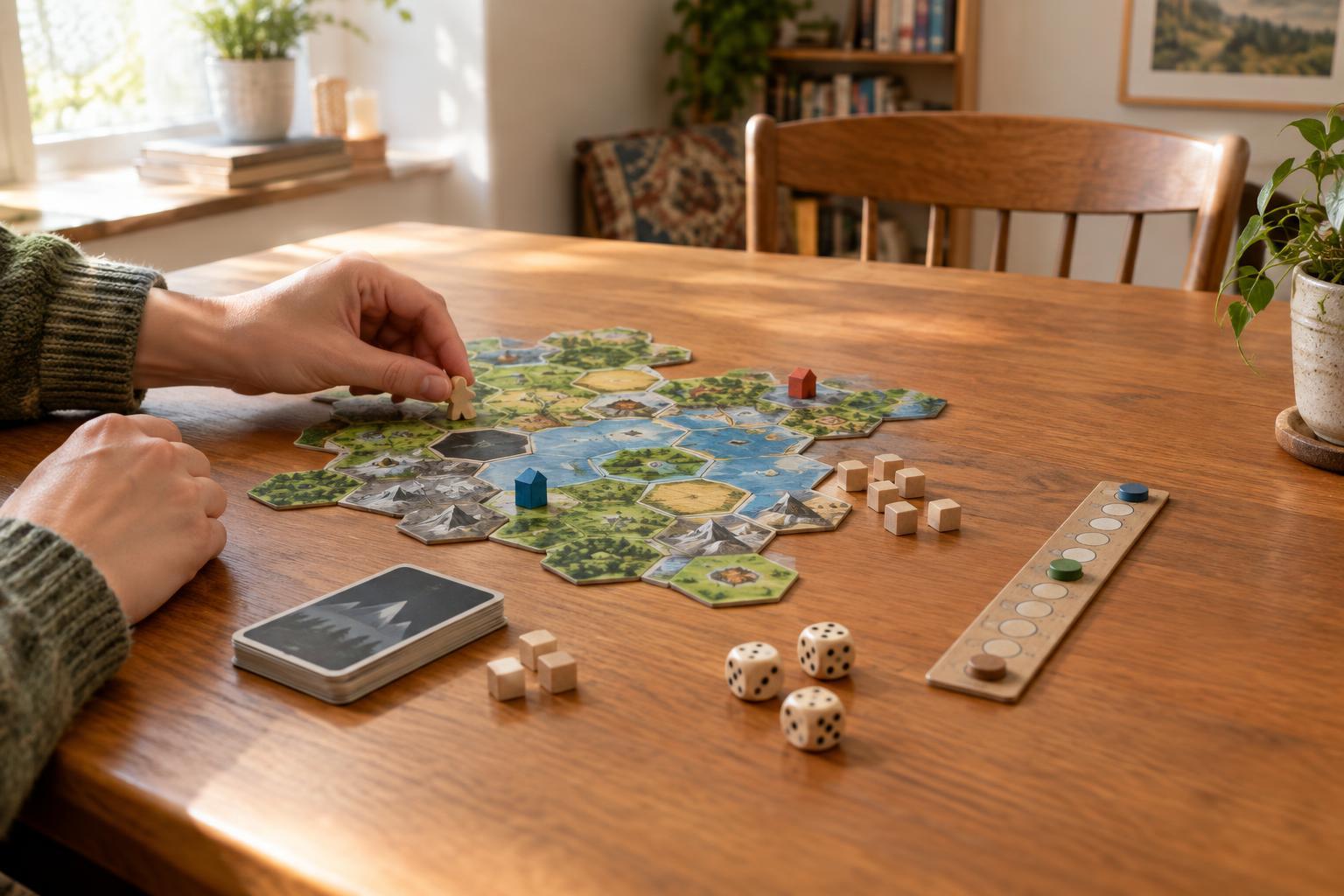
For your first play, set out only the components the solo rules require. Keep the turn sequence and any opponent priorities nearby, and walk through one round slowly. If you make a rules mistake, correct what you can and continue; the first session is a chance to learn the system, not a test of mastery. Afterward, note one decision you would change rather than judging the whole experience by the final score.
Solo board gaming also lets you set your own pace. You can pause to examine a tricky choice, replay a scenario, or stop at a natural break. Whether the game presents an opponent, a score target, or a puzzle, the core pleasure is the same: making choices, seeing what follows, and discovering a better approach on your next try.