Start with what you already enjoy
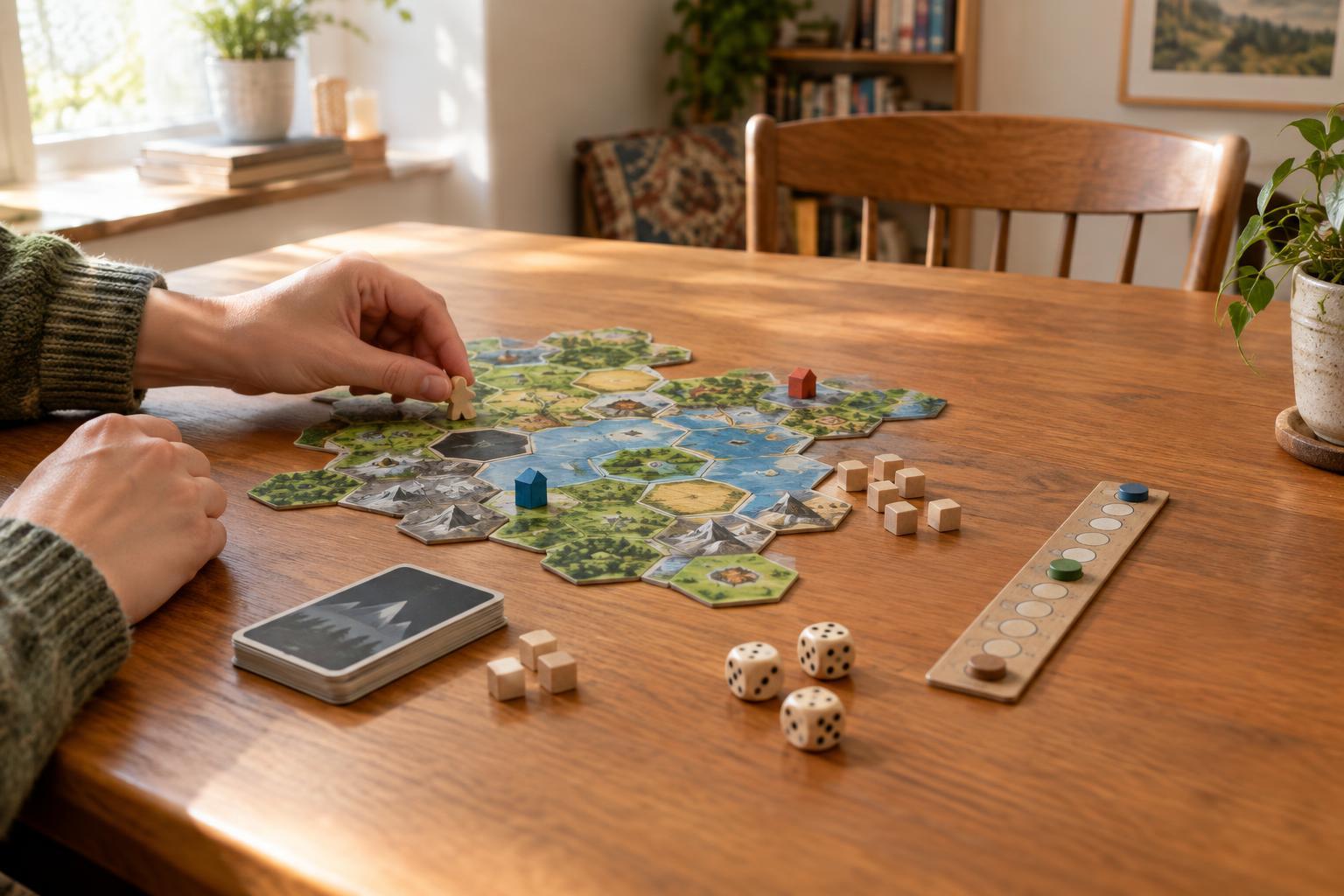
A board game expansion is most valuable when it builds on something your group already likes. Before looking at new content, ask which parts of the base game bring people back. Is it the quick turns, the close decisions, the shared story, or the variety of ways to win? An expansion that strengthens that experience may earn its place on the shelf. One that changes the game’s pace or emphasis might be less welcome, even if its ideas sound exciting.
Notice how often the base game actually gets played. If it has become a reliable favorite and players are beginning to recognize familiar patterns, new cards, maps, characters, or objectives can make repeat plays feel fresh. If the box rarely reaches the table, more material is unlikely to solve the underlying problem. It may be better to revisit the base game first and work out whether the obstacle is its length, its rules, or simply your group’s taste.
Look for a clear reason to expand
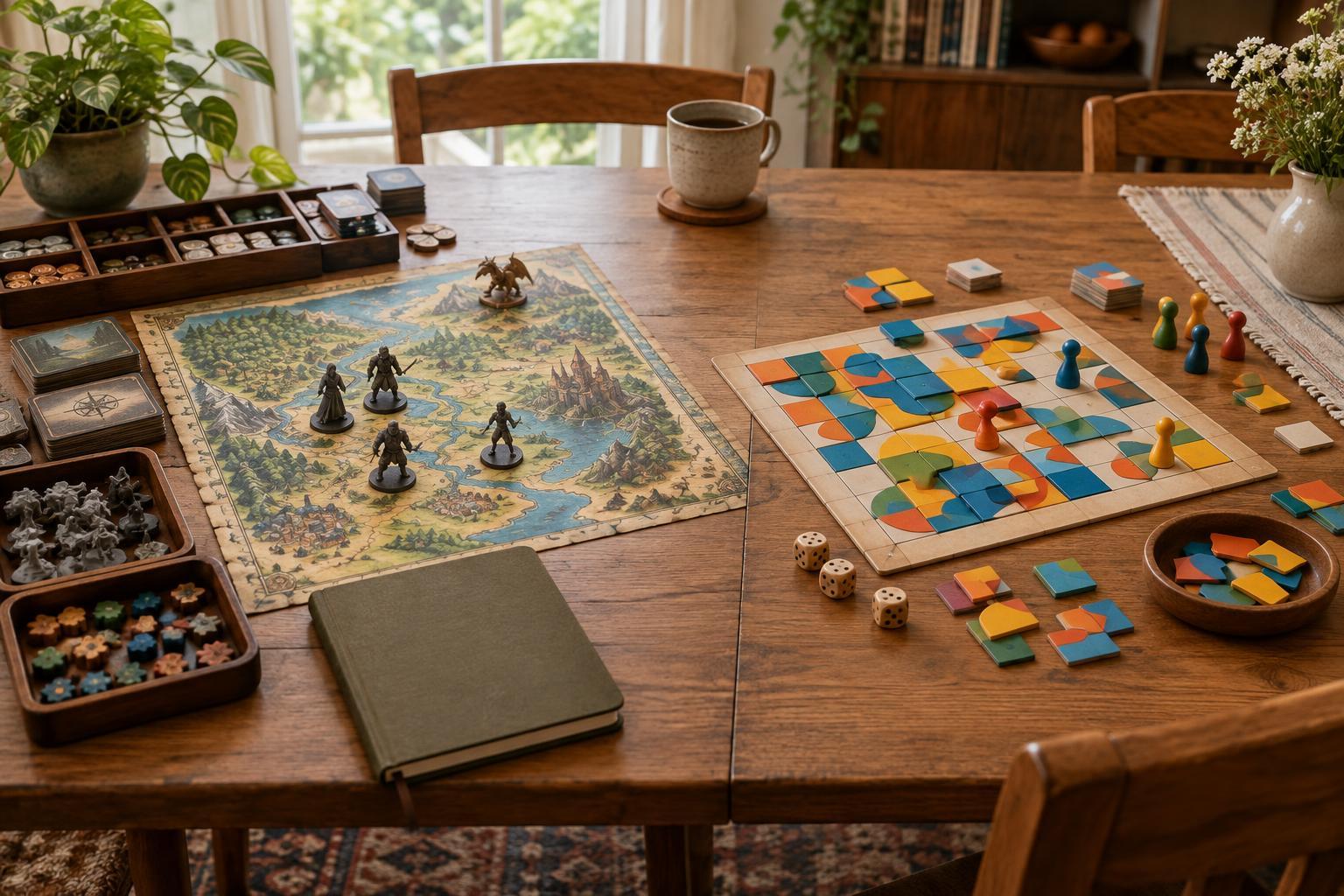
Expansions serve different purposes. Some add variety while leaving the core rules mostly intact. Others introduce a new mechanism, extend the player count, or offer a different way to play. Decide what you want before choosing one. If your group enjoys the game but wishes each session had different starting conditions, added variety is a sensible target. If turns already feel complicated, a new layer of decisions may not help.
Be especially careful with player-count promises. Extra components may let more people join, but that does not automatically make a game enjoyable at its new maximum. More players can mean longer waits between turns or a more crowded table. Likewise, an expansion aimed at experienced players may be rewarding for regulars but awkward when you often teach the game to newcomers. The useful question is not just “What does this add?” but “Will we use what it adds?”
Count the costs beyond the box
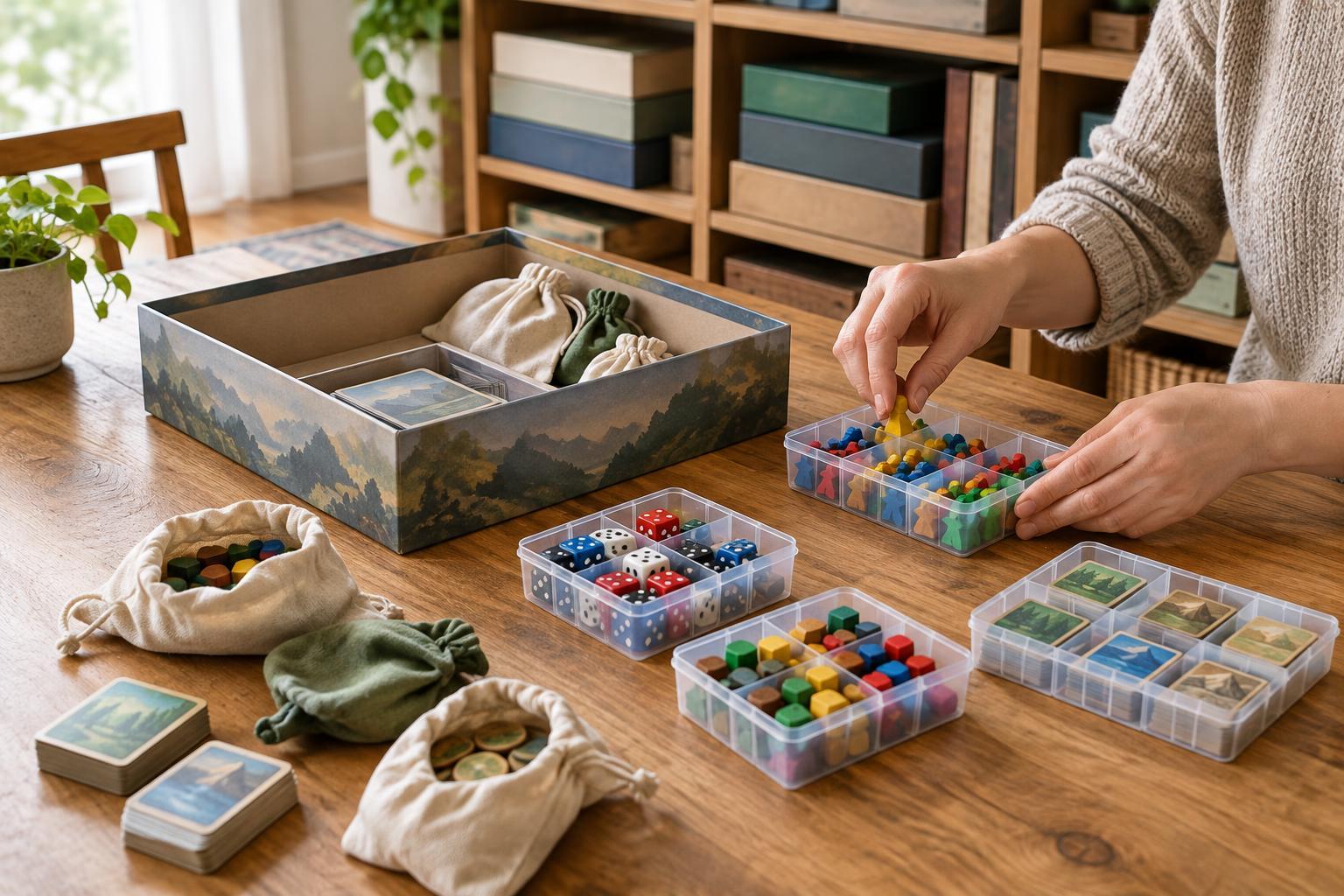
Price matters, but so do storage, setup, teaching, and attention. A small set of extra cards may slip naturally into a game. A larger expansion may require sorting components before play, checking which rules apply, and finding more room on the table. None of these costs is necessarily a problem; they are worth considering alongside the fun you expect to gain.
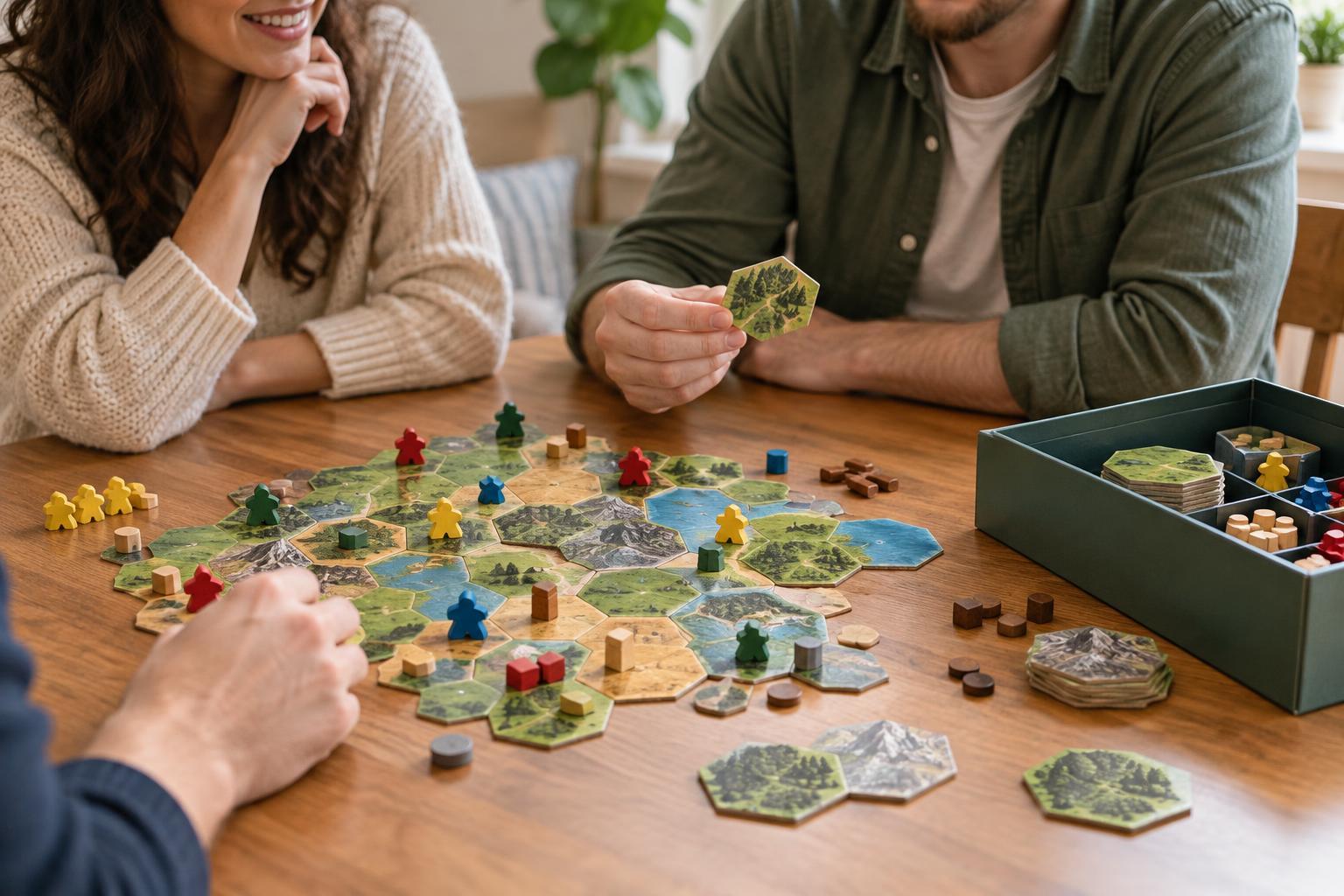
Think about the people who will play with you. A regular group may be happy to learn a few new rules over several sessions. A casual game-night mix may appreciate a familiar, streamlined experience instead. If one person owns and teaches the game, that person also takes on the work of preparing the expansion and explaining how it fits. A purchase feels better when the whole group benefits from that effort, rather than when extra content mainly appeals to the collector.
Know when to wait
Waiting is a good choice when players are still discovering the base game. Early sessions often have plenty of novelty: strategies to try, interactions to notice, and rules to become comfortable with. Adding more options too soon can make it harder to see what makes the original design work. Give the base game enough plays to form a specific opinion about what, if anything, feels missing.
It is also reasonable to wait if you cannot describe when the expansion would reach the table. A new mode that requires a dedicated group is less useful if your game nights are unpredictable. If the game already runs longer than your group prefers, extra content that lengthens setup or play may sit unused. Instead of buying in anticipation of a different gaming routine, choose for the one you have now.
Introduce new content one step at a time
When you do add an expansion, read its instructions before game night and check whether its modules can be used separately. If possible, begin with one change rather than everything in the box. That gives players a chance to understand what the new content does and makes it easier to tell whether they enjoy it. Keep the base-game components identifiable so you can return to the original setup without a lengthy sorting session.
After a few plays, ask a simple question: would the group choose this version again? Some expansions become a permanent part of a favorite game; others are best saved for occasional variety. You do not have to use every module just because you own it. The best addition is not the one with the most pieces, but the one that helps your group look forward to playing together again.