What separates a campaign from a standalone game?
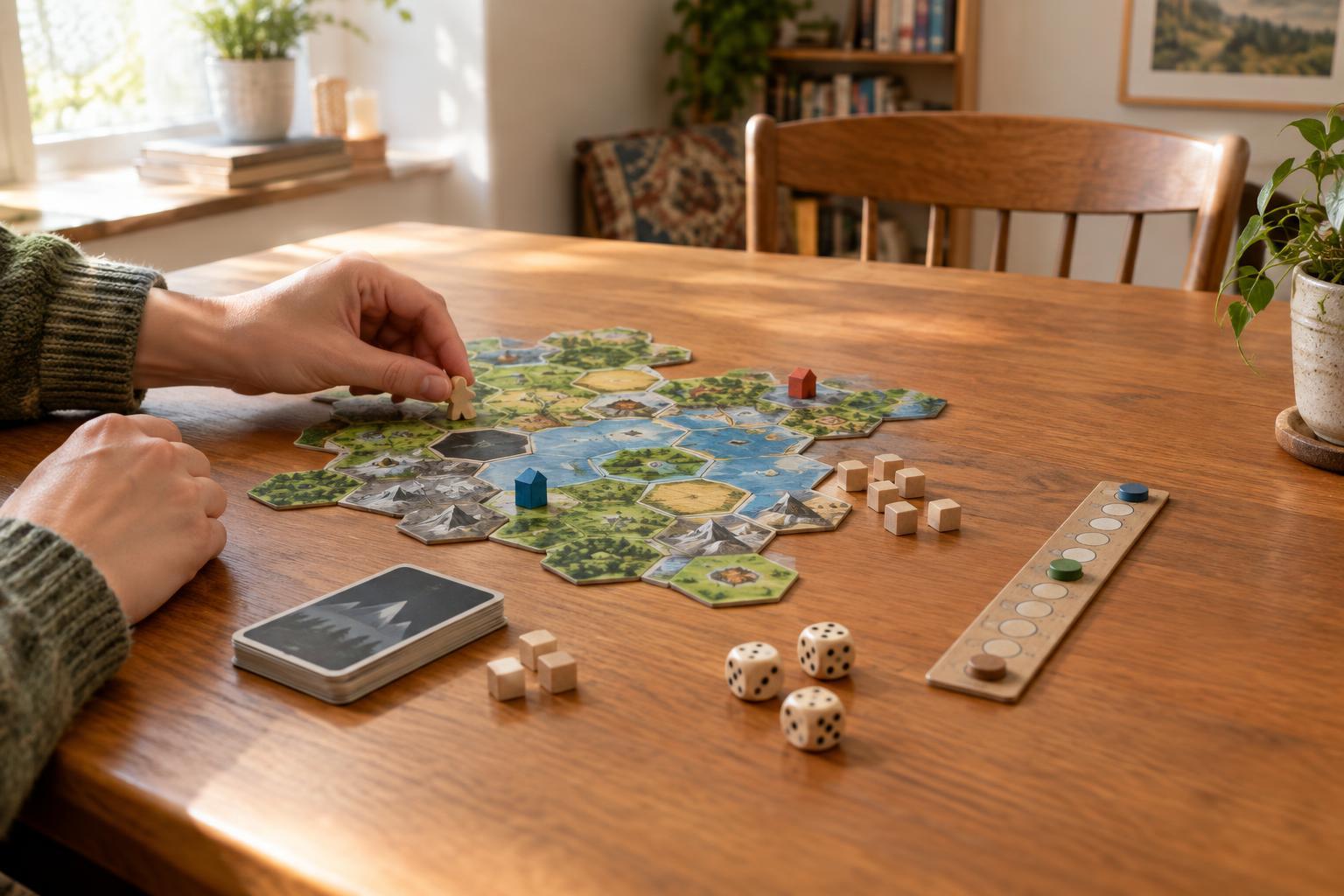
A standalone board game gives you a complete play experience in one sitting. You set it up, play to a conclusion and start fresh next time. Players may improve with practice, but the game does not require anyone to remember what happened in a previous session. A short card game and a long strategy game can both be standalone; the defining feature is that each play can stand on its own.
A campaign board game connects multiple sessions. Your group might carry forward a story, unlock new material, change a shared map or develop characters between plays. Some campaigns have a fixed ending, while others offer branching routes or a series of linked challenges. The amount of continuity varies: one game may ask you to keep a few notes, while another makes earlier decisions central to later sessions.
Neither format guarantees a particular mood or level of complexity. A campaign can be approachable, and a standalone game can demand considerable concentration. The useful question is not which format is more serious, but which kind of experience your group will enjoy returning to.
Think about the commitment between sessions
The most noticeable difference often appears after everyone leaves the table. With a standalone game, the next gathering can begin with a clean slate. You can invite a different mix of players, pick a new game or replay the same one without explaining the results of last week’s decisions. That flexibility suits groups whose attendance changes or whose game nights happen irregularly.
A campaign benefits from continuity. Players may become invested in a shared goal and look forward to discovering what their choices lead to. The trade-off is that absences can be harder to handle, especially when each player controls an ongoing character or when a session reveals an important part of the story. Before starting, agree on how often you hope to play and what happens if someone cannot attend.
It helps to separate session length from overall commitment. A campaign chapter may fit comfortably into one evening yet still ask for several future evenings. Conversely, a standalone game may take most of a day but leave no unfinished business. Check both the expected time at the table and the number of sessions you would like to devote to the experience.
Replayability means different things in each format
Standalone games often invite replay through changing player choices. Different strategies, starting conditions, roles or opponents can make familiar rules produce new situations. Replaying also gives people a chance to test what they learned: a decision that seemed strong in the first game may look different once everyone knows the options.
Campaign games offer another kind of return: the desire to continue. A new chapter can feel fresh because the group has built context together, even when the core rules stay much the same. After finishing, replayability depends on the design. A campaign with alternate paths or varied characters may be enjoyable to restart; one built around a central mystery may hold fewer surprises the second time.
If replayability matters to you, ask what you want to repeat. Do you want to revisit a rules system for many independent matches, or spend many sessions seeing one experience develop? Also consider whether the group enjoys revisiting familiar content. The same game can have lasting appeal for one table and feel complete after a single run for another.
Match the game to the people at your table
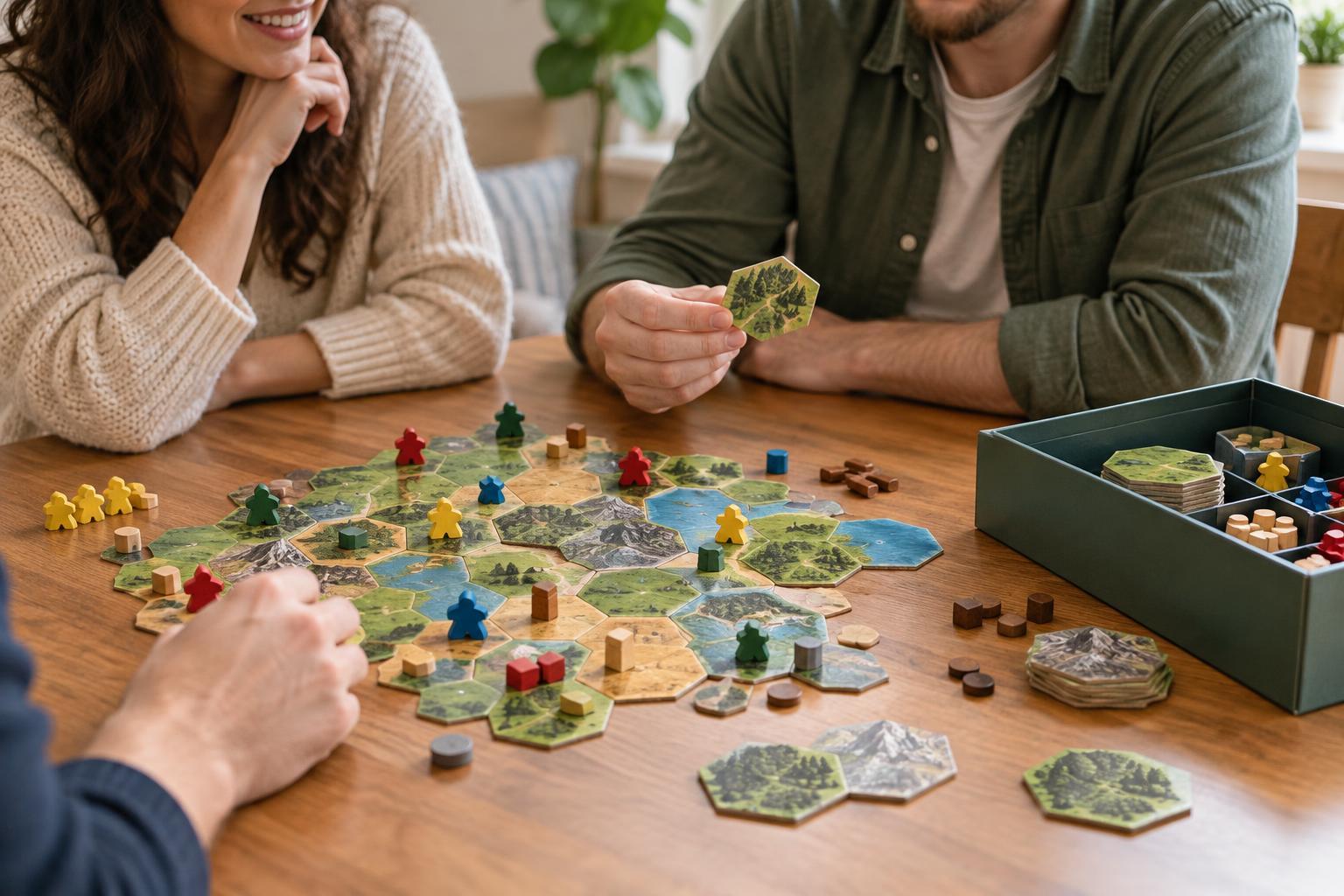
Choose a standalone game when you want an easy invitation: “Come over and play,” with no backstory required. It is a practical option for open game nights, mixed experience levels and groups that like sampling different styles. If newcomers are likely to join, a fresh start lets everyone learn together rather than catching up on decisions they missed.
Consider a campaign when a consistent group enjoys shared plans, discussion and a sense of progress. It can be particularly satisfying when players like remembering small moments from earlier sessions and seeing them matter later. Before committing, describe the expected theme and style, not just the rules. A group excited by tactical challenges may want something different from a group hoping mainly for a collaborative story.
A small trial can make the choice easier. If possible, play an introductory session and then ask whether everyone wants more of that experience. If the answer is mixed, keep a standalone option ready for nights when the full campaign group cannot meet. There is no need to make one game carry every gathering.
Make either choice easy to bring back to the table
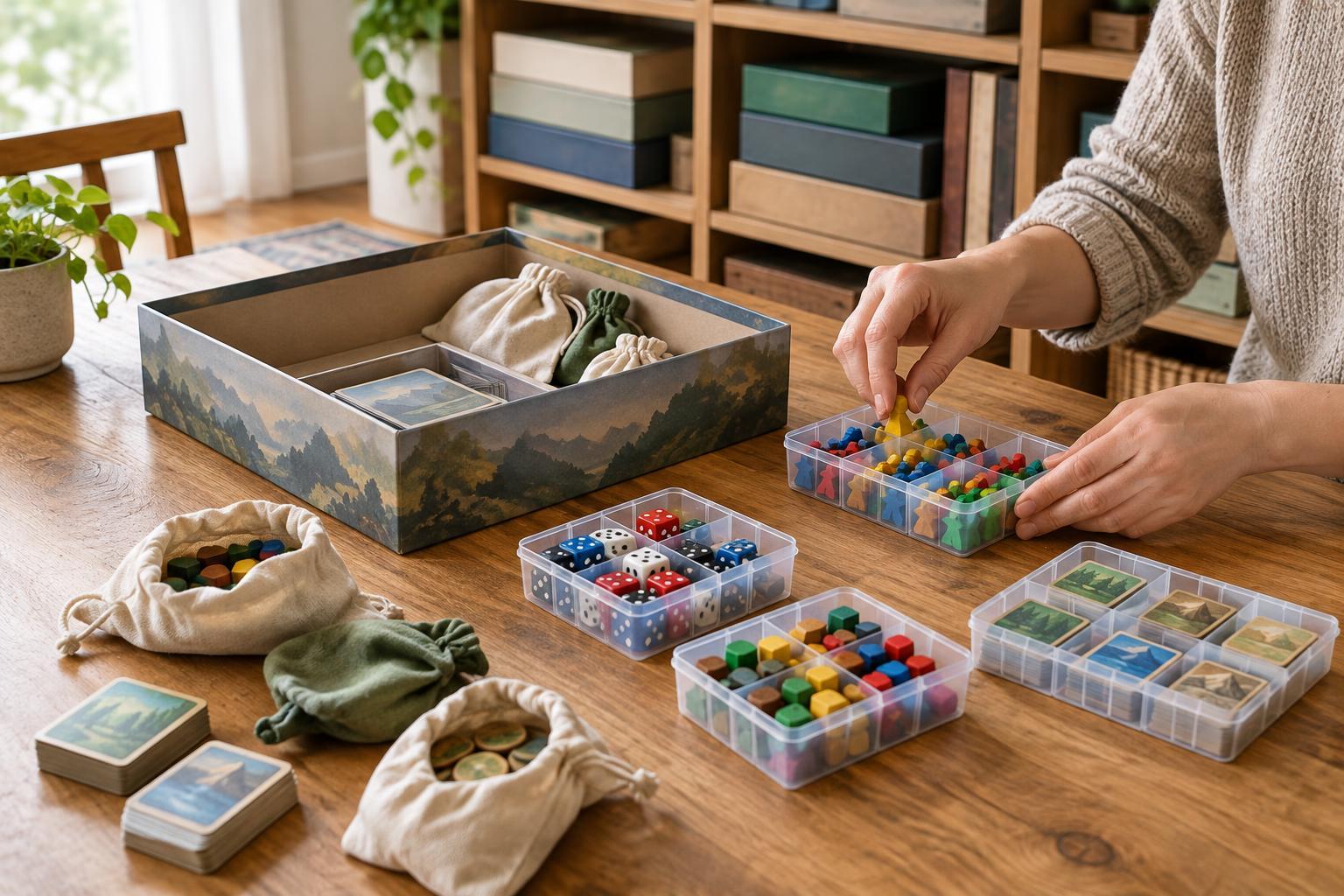
For a campaign, end each session with a brief shared note: where the group stopped, what changed and what choices are waiting. Store components so that setup is straightforward next time, and agree whether players may look ahead in game materials. These simple habits reduce the work of resuming without turning game night into an administrative task.
For a standalone game, keep a concise rules reminder with the box if your group tends to forget a tricky step. Rotating who explains the game can help more players feel comfortable suggesting it. You can also vary the group size or try optional setups when the rules support them, rather than assuming every replay must feel identical.
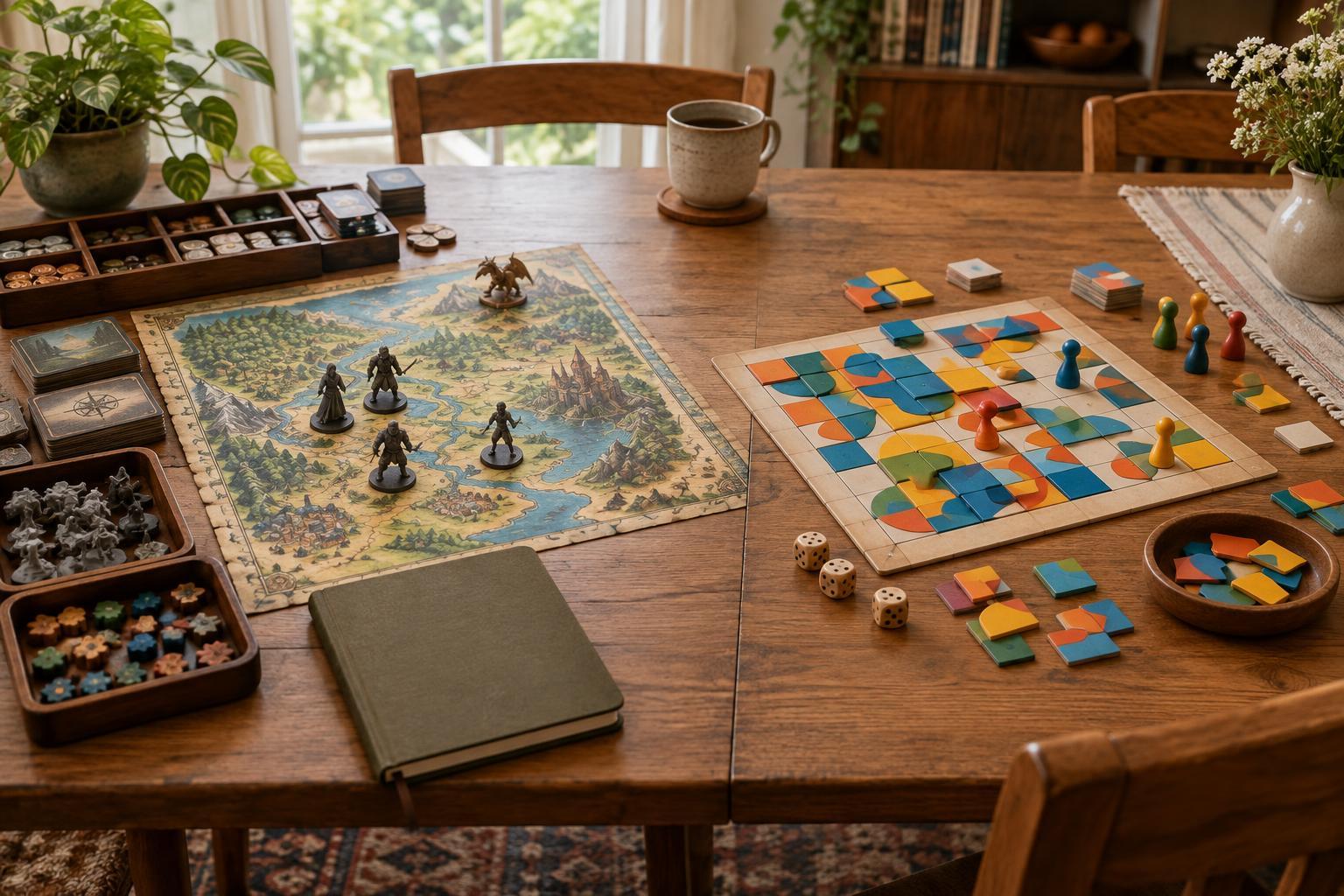
The best choice is the one your group will be glad to set up. Pick a campaign for the pleasure of an ongoing shared experience, a standalone game for the freedom of a complete fresh start, or make room for both on different nights.