What Is a Board Game Mechanic?
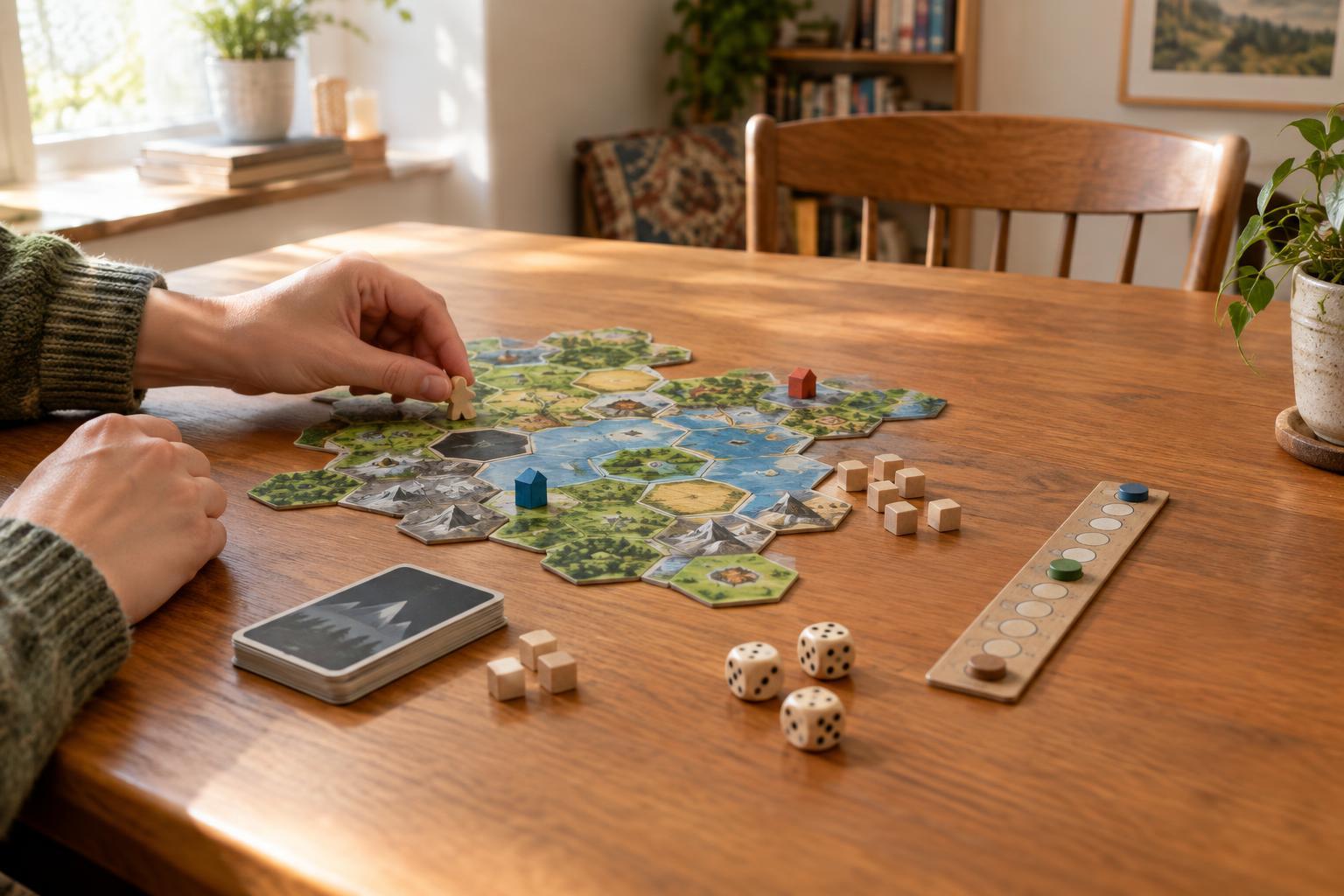
A board game mechanic is a recurring way players make decisions or interact with the game. A theme tells you what the game is about; a mechanic helps determine what you actually do on your turn. You might collect cards, place a piece on the board, or choose one item from a group. Different games can use the same mechanic while creating very different experiences.
Learning a few common mechanics makes an unfamiliar rulebook less intimidating. Drafting is about choosing from options that may not remain available. Worker placement is about assigning limited pieces to actions. Deck-building is about improving a personal stack of cards as you play. A game may use just one of these ideas or combine several of them.
Drafting: Choose One, Pass on the Rest
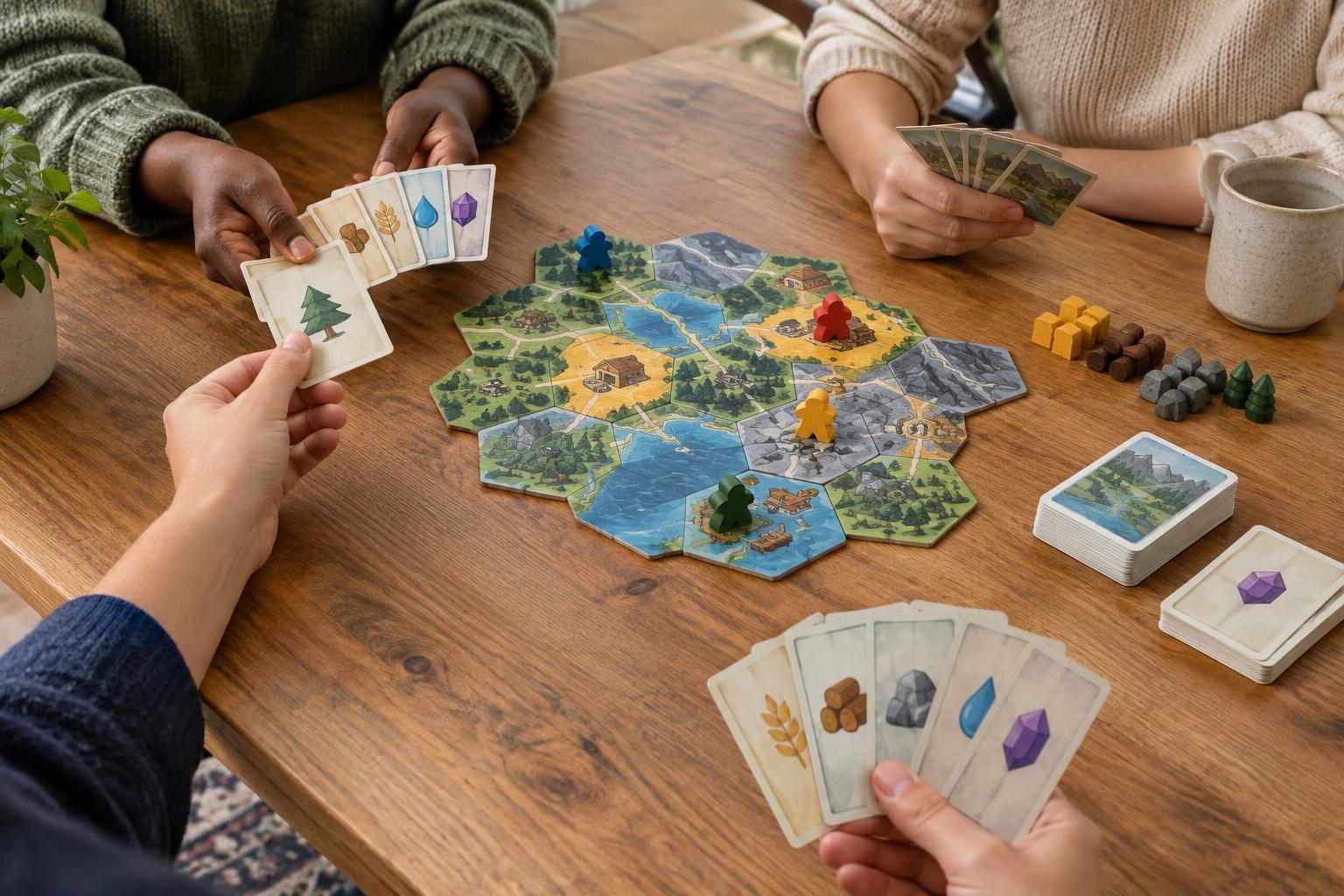
In a typical card draft, each player receives a small hand of cards, chooses one to keep, and passes the remaining cards to another player. Everyone repeats the process until the hands are gone. Some games instead let players choose from a shared display of cards or tiles. The common thread is selection: taking one option means leaving others behind.
Drafting asks you to balance what helps you now against what might help later. Imagine collecting tiles to make sets. A tile that completes a set may be an easy choice, but a flexible tile could give you more options on your next turn. If the choices pass between players, you can also pay attention to what might still be available when the hand comes back. You rarely need to predict everything; a clear short-term goal is a useful starting point.
For your first draft, read the scoring rules before choosing. Look for combinations the game rewards, then pick cards or tiles that support one or two of them. You can adjust as new options appear. Drafting often feels more approachable when you treat each choice as a small decision rather than trying to plan the entire game at once.
Worker Placement: Put Limited Pieces to Work
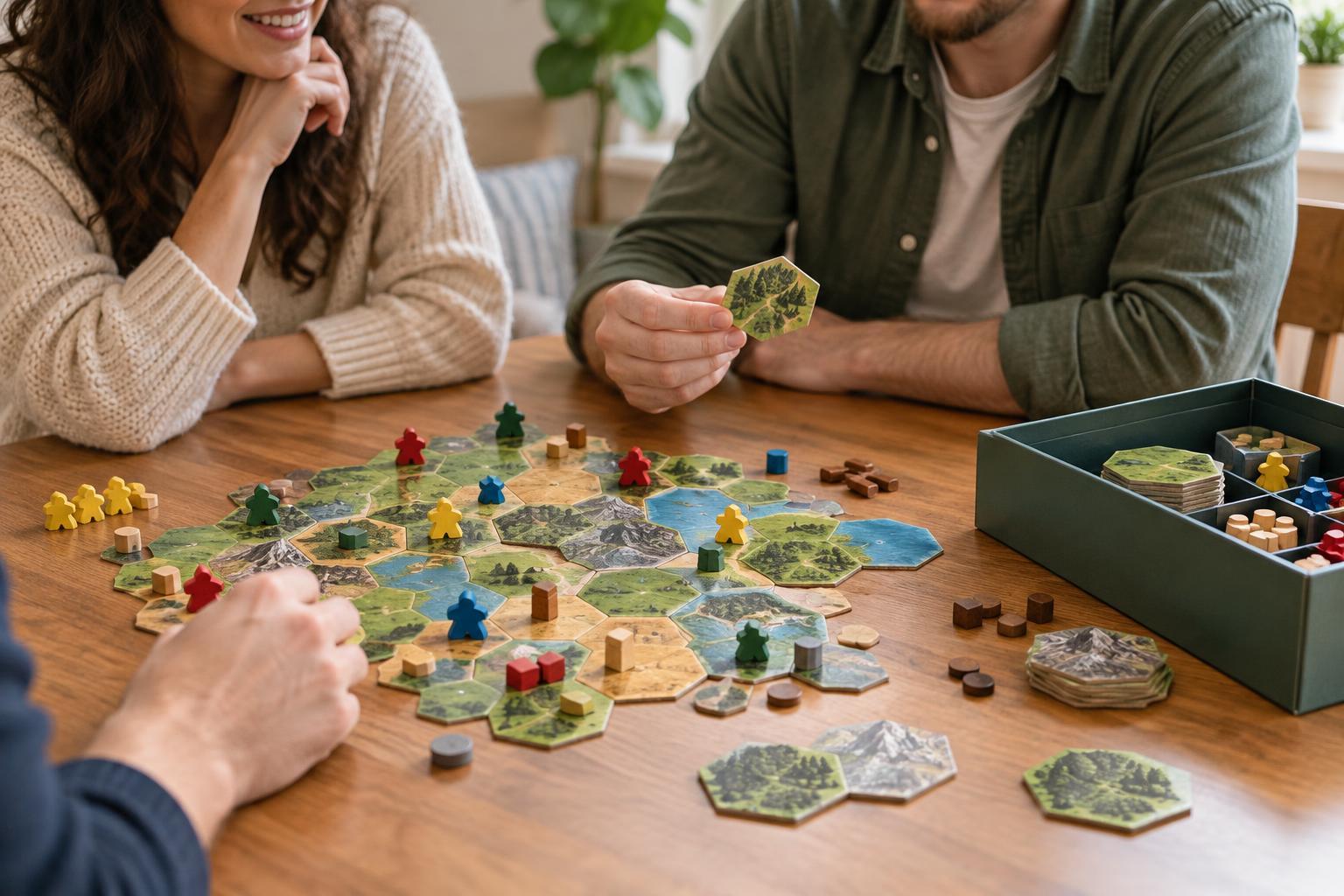
Worker placement games give you a set of pieces, often called workers, to put on action spaces. A space might let you gather materials, gain a card, or build something. You usually place workers one at a time, and the game’s rules determine when you get them back. Because you cannot do every action, the order in which you place them matters.
Many worker placement games limit how many pieces can use a space in a round. If another player takes the action you wanted, you may need a different route to your goal. Not every game blocks spaces this way, so check the rules rather than assuming it. The interesting question is often whether to take a scarce action now or collect the resources you need for a stronger action later.
A simple way to plan a turn is to work backward. If you want to build an item, find its cost. Then identify which spaces provide the required resources and how many placements you have left. Keep a backup action in mind in case a space becomes unavailable. You do not need a perfect plan; you need one that can survive a small change.
Deck-Building: Improve Your Cards During the Game
In a deck-building game, players usually begin with small, similar decks. During play, they use cards to gain new cards, which are added to a discard pile or another area specified by the rules. When their draw deck runs out, they typically shuffle the discard pile to make a new draw deck. Over time, the cards they acquired become part of what they can draw and play.
The key choice is not simply whether a card looks powerful. It is whether that card helps your deck do something reliably. A costly card may be less useful if you seldom draw the cards needed to acquire or play it. Adding too many unrelated cards can also make a favorite combination harder to find. Some games let you remove weaker starting cards, while others focus mainly on gaining new ones.
Deck-building differs from bringing a prepared deck to the table: in this mechanic, improving the deck is part of the game itself. For a first play, choose a modest goal, such as gaining cards that provide a needed resource, and notice how often those cards appear in your hand. That feedback will help you make better choices next time.
How to Learn a Game That Combines Mechanics
These mechanics can overlap. You might draft cards that later become part of your deck, or place a worker to claim a card from a shared display. When learning a new game, separate the steps: first ask what you can do on your turn, then ask what each choice contributes to your longer-term goal.
If you are teaching friends, demonstrate one ordinary turn before explaining every exception. Show what a player chooses, what they give up, and what changes on the table. Once everyone understands that basic loop, the finer rules have somewhere to fit. The names of mechanics are helpful shorthand, but the best way to learn them is to make a few choices and see what happens.