The central difference is the goal
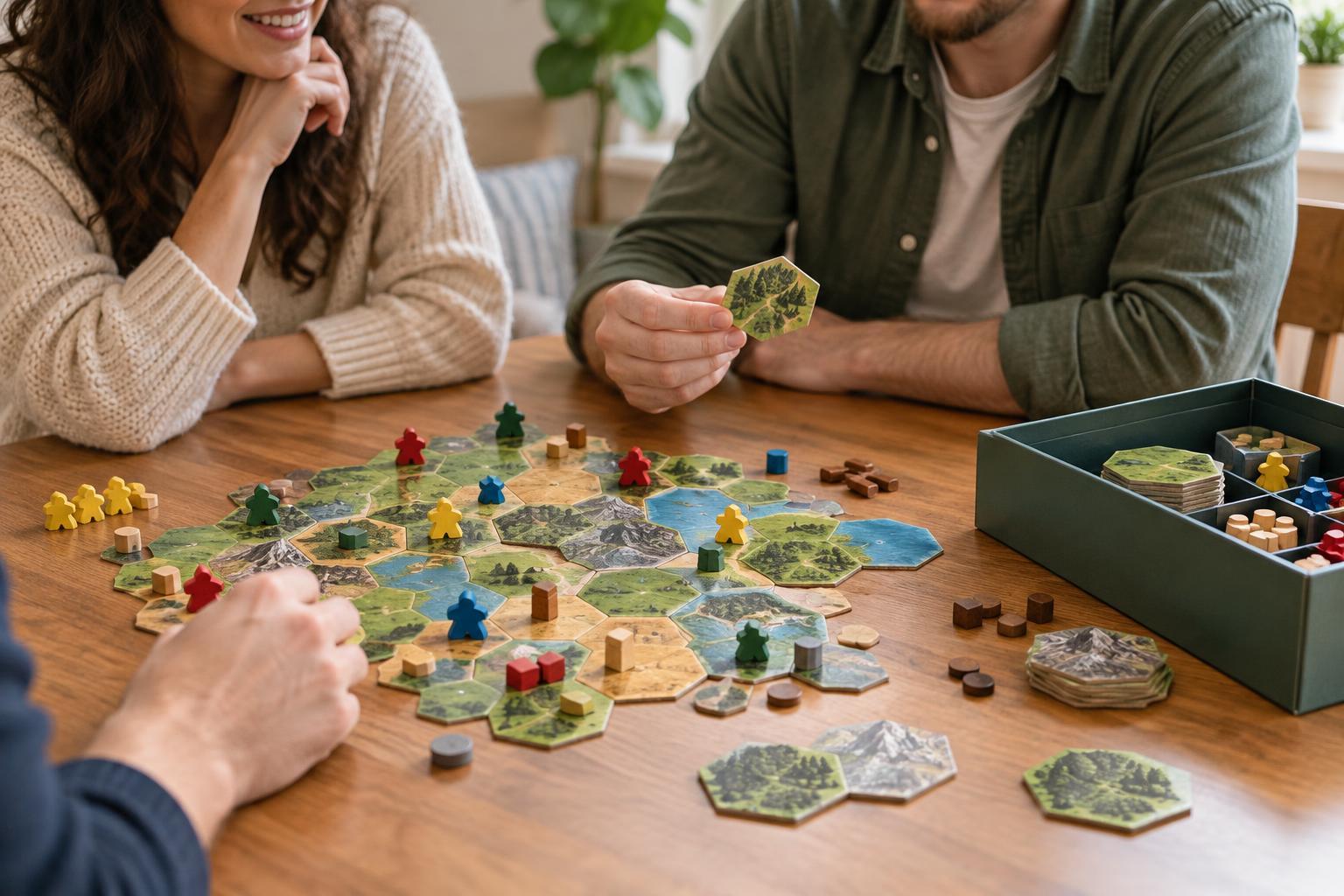
In a cooperative board game, players work toward a shared result. They might manage limited resources, solve a sequence of challenges or respond to problems introduced by the game. The group generally wins or loses together. Players still have individual turns and decisions, but those decisions contribute to a common plan.
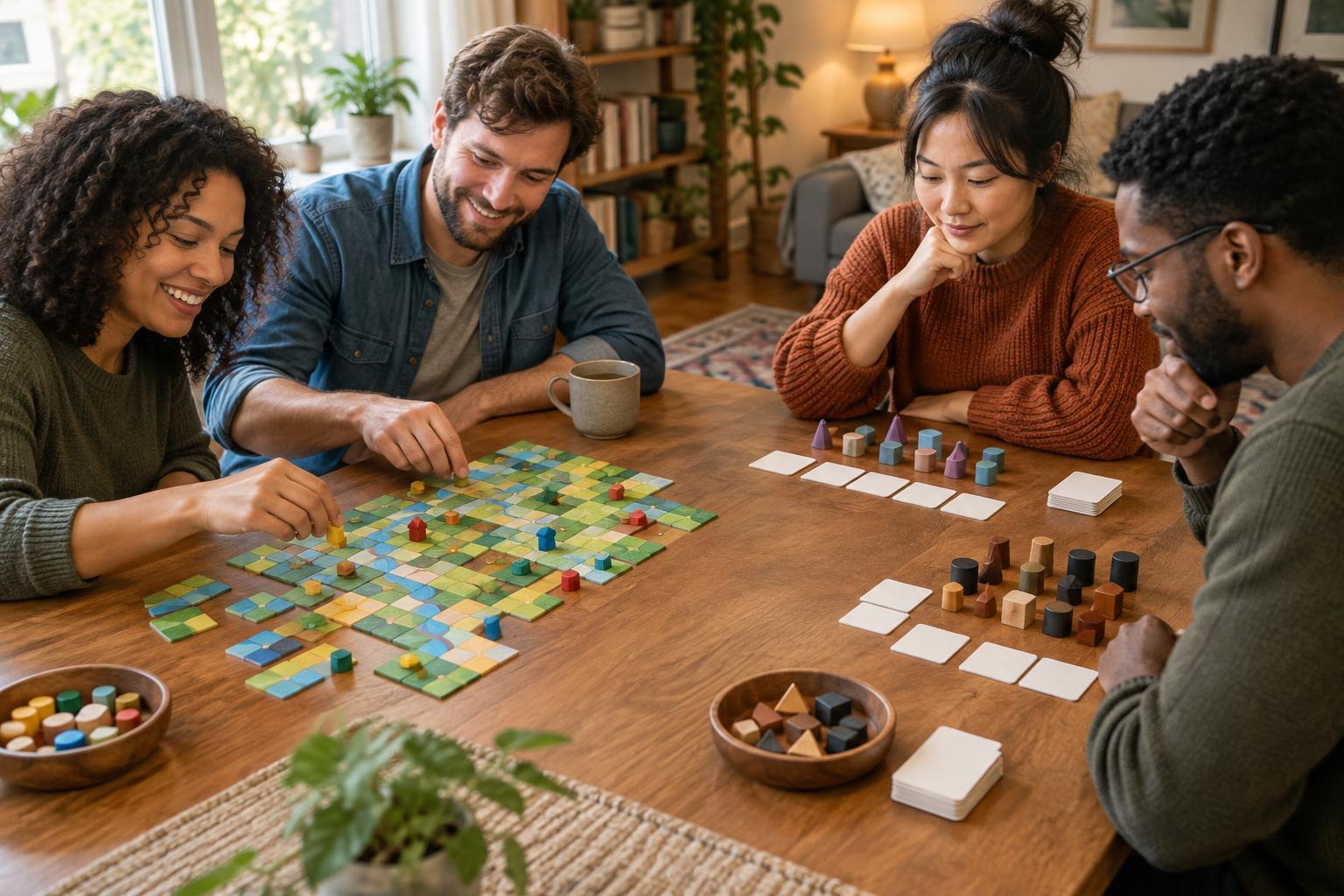
In a competitive board game, players or teams pursue separate goals. They may race to complete an objective, build the strongest position or finish with the most points. Other players’ choices matter because they can take a useful action first, change the board or pursue a conflicting plan. Competition need not involve direct attacks: a quiet game about selecting tiles or arranging cards can be competitive too.
How decisions feel at the table
Cooperative games invite players to discuss what to do next. A turn can feel like one step in a larger puzzle: should the group address an immediate threat, prepare for a later challenge or take a chance on a risky move? This gives everyone a reason to pay attention between turns. It can also make a small mistake feel highly visible, especially when the group has committed to a plan.
Competitive games place more emphasis on personal priorities. You can learn from another player’s move without needing their approval for yours. Some games reward careful long-term planning; others ask you to adapt when a desired card, space or route disappears. Even when players talk throughout, each person has room to test a strategy and discover how it works.
Neither format is inherently more strategic. The depth comes from the choices a particular game offers and how clearly players can understand their consequences. A short cooperative game may have difficult trade-offs, while a long competitive game may be easy to play casually—or the reverse.
Conversation, tension and teamwork
Cooperation often creates a natural topic for conversation: the next move. That can be helpful for a group that likes solving problems aloud. It can also lead to one confident player directing everyone else’s turns. To keep the game shared, invite each person to explain what they see, allow time to think and treat suggestions as options rather than commands. Some groups enjoy agreeing to let the active player make the final call.
Competition gives players a different kind of conversation. They may negotiate, joke about a surprising move or compare approaches after a round. The tension comes from pursuing goals that cannot all succeed at once. For some groups, that rivalry is energizing; for others, a game with frequent blocking or take-that effects can feel less comfortable. Reading a brief description of player interaction before choosing a game can help set expectations.
What winning and losing teach you
In a cooperative game, the ending offers a shared story. A narrow win can feel satisfying because everyone contributed; a loss can prompt an immediate discussion of what the group might try differently. Replaying may be especially appealing when players want to improve a collective approach. If the game offers adjustable difficulty, a comfortable starting level gives the group space to learn its systems.
Competitive games produce a more varied set of outcomes. One player may win while another finds satisfaction in making a clever move or improving on a previous attempt. Close finishes can be exciting, but a large gap may discourage someone still learning the rules. If your group includes new and experienced players, consider a game with straightforward turns and multiple ways to make progress, rather than expecting everyone to compete equally from the start.
Choosing the right style for your group
Start with what people want from the session. If they enjoy discussing plans and sharing responsibility for the outcome, try a cooperative game. If they prefer independent choices, playful rivalry or comparing strategies afterward, choose a competitive one. Then consider how much direct interaction the group likes: players can cooperate while managing separate tasks, or compete without interfering much with one another.
For an unfamiliar game, explain the goal, what happens on a turn and how the game ends before covering every exception. A practice round can make either style easier to approach. Afterward, ask what players enjoyed—not just whether they won. A group that likes the shared puzzle but wants more autonomy might try a cooperative game with limited communication. A group that enjoys competition but dislikes blocking might prefer a race or a low-conflict building game.
There is no need to settle on one style for every game night. Alternating between cooperative and competitive games changes who talks, how plans form and what makes a memorable moment. The best choice is the one whose decisions and social energy suit the people ready to play.