Start with the kind of evening you are planning
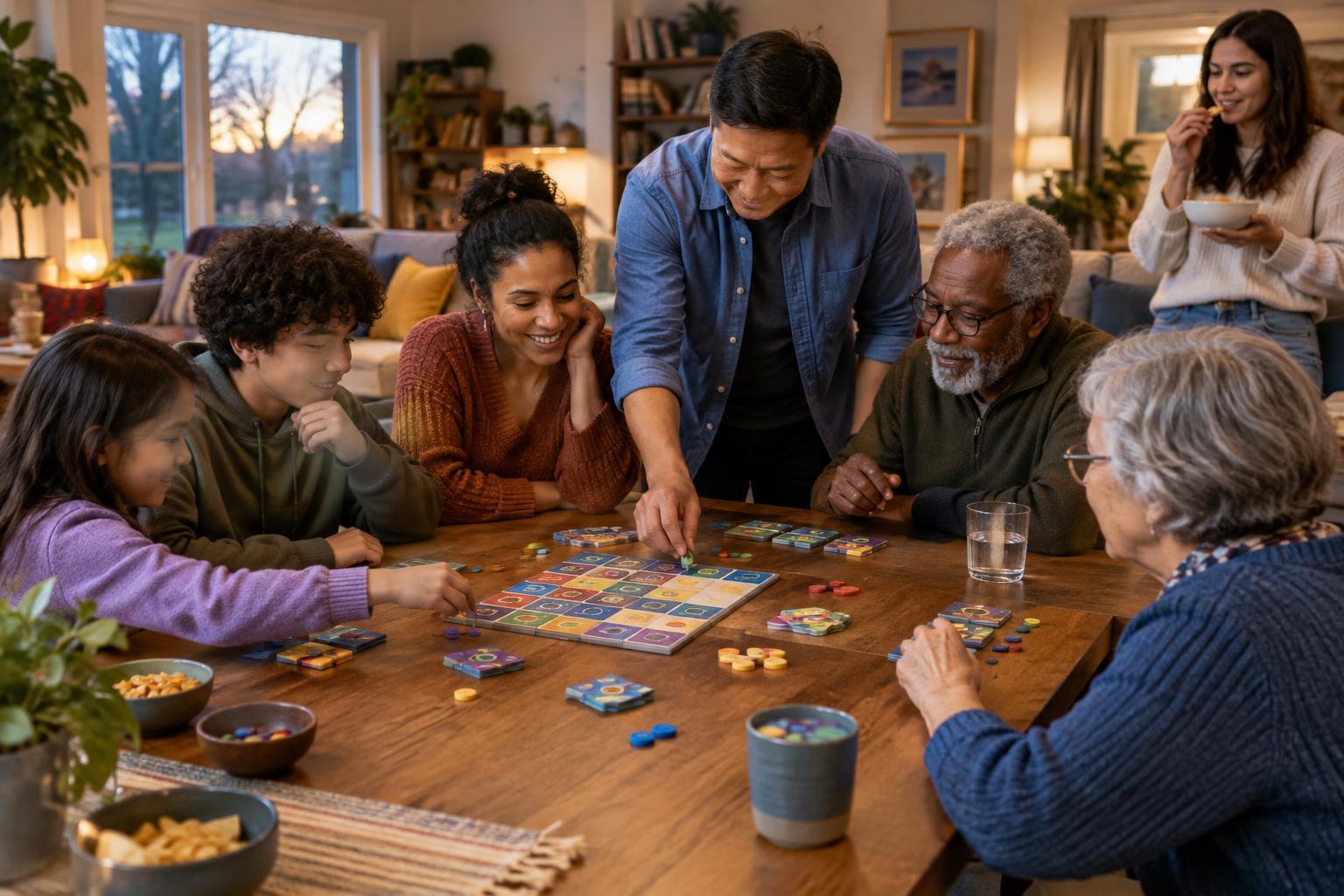
Asking about game preferences works best after guests know what they are being invited to. A relaxed evening with snacks and short games is a different invitation from a night built around one longer board game. Share the approximate start and end times, the expected group size, and whether you hope to play several games or settle into one. That context makes it easier for people to give useful answers.
Keep the invitation low-pressure. You might write, “I’m planning a casual game night with a mix of short games and one longer option. Is there a kind of game you especially enjoy or would rather skip?” This gives guests a clear opening without asking them to study a game list. It also leaves room for someone who has no strong preference to say so.
Ask about the experience, not just favorite titles
A favorite-game question can be helpful, but it may not tell you what someone wants to play on this particular evening. A guest might love a lengthy strategy game yet prefer something lighter after a busy day. Ask about the features that shape the experience: short or long rounds, cooperative or competitive play, quiet thinking or lively conversation, and simple rules or a deeper challenge. Guests can answer these questions even if they do not know many games by name.
Two or three questions are usually enough. For example: “Would you rather learn something new or play something familiar?” “Do you enjoy team play, or would you prefer a game where everyone makes their own choices?” “Is there anything you would rather avoid, such as timed turns, drawing, or trivia?” Phrase the last question as an option, not a demand for an explanation. Someone may dislike a mechanic for reasons they do not want to share.
Make room for practical needs without putting anyone on the spot
Game preferences can include more than theme and difficulty. Small text, color-dependent pieces, loud group discussion, standing activities, or a long stretch without a break can affect whether a game is comfortable to play. Rather than singling out a guest, offer everyone the same easy way to mention practical needs: “Let me know if there’s anything that would make playing more comfortable, such as good lighting, breaks, or games without a timer.”
You can also plan for flexibility before anyone replies. Choose a well-lit playing area, keep rules available for reference, and have a game that can be explained in a few minutes. If a guest tells you about a specific need, ask what would help rather than assuming you know the solution. Keep individual replies private unless that person says they are comfortable sharing them with the group.
Choose a simple way to collect answers
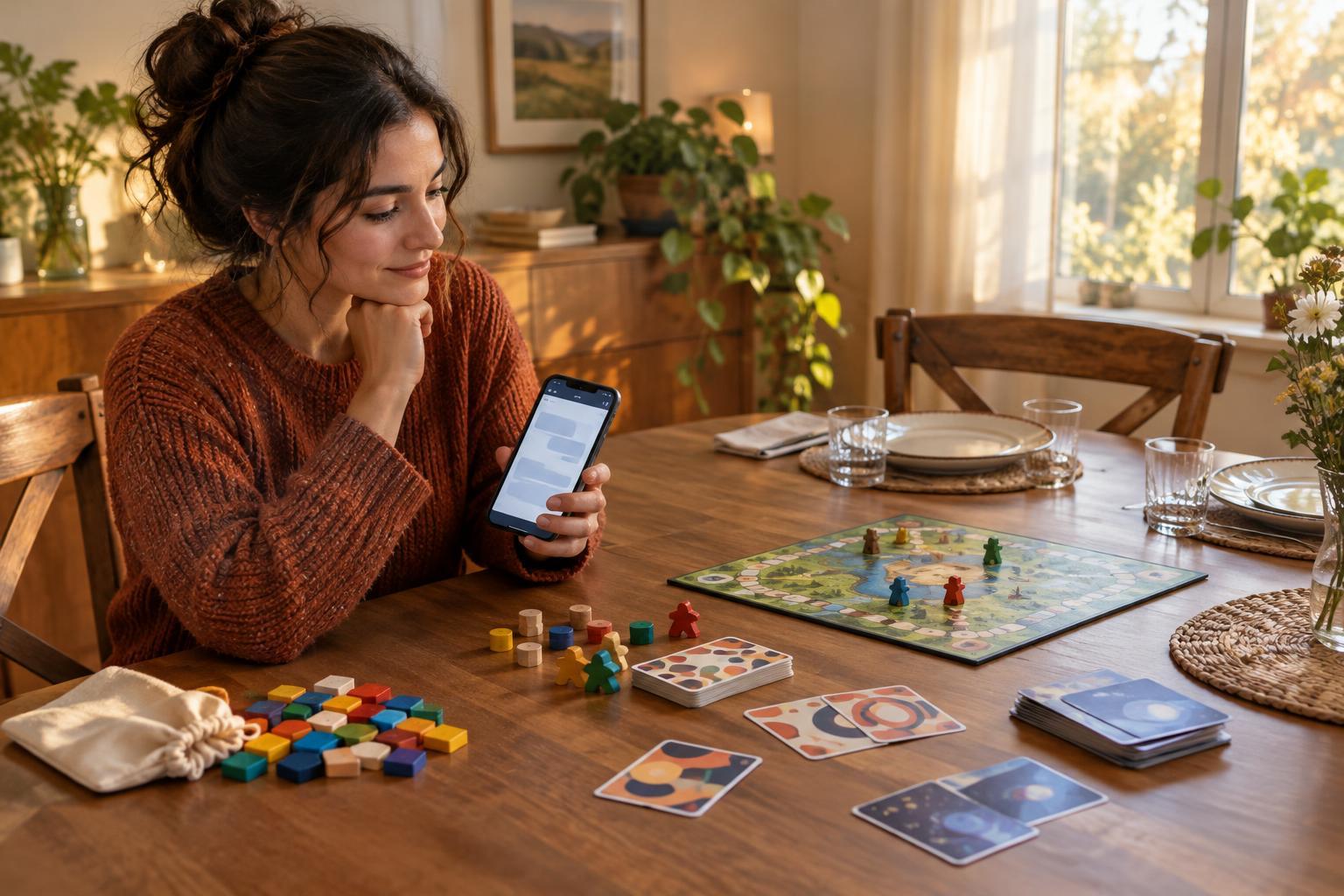
For a small gathering, a direct message often feels more natural than a formal questionnaire. A group chat can work well for broad questions, especially if guests might enjoy suggesting games. Give people a way to answer privately, too; not everyone wants to announce that they dislike a popular choice. If you use a poll, keep the options broad enough to be useful, such as “mostly short games,” “one longer game,” or “happy with either.”
Send your questions when you invite people or soon after they accept, while you still have time to choose games. A reminder shortly before the evening can cover practical details without reopening every decision. Avoid repeated requests for answers. Silence can simply mean a guest is flexible or has not had time to respond, so prepare options rather than treating a missing reply as a firm preference.
Use the replies as a guide, not a fixed agenda
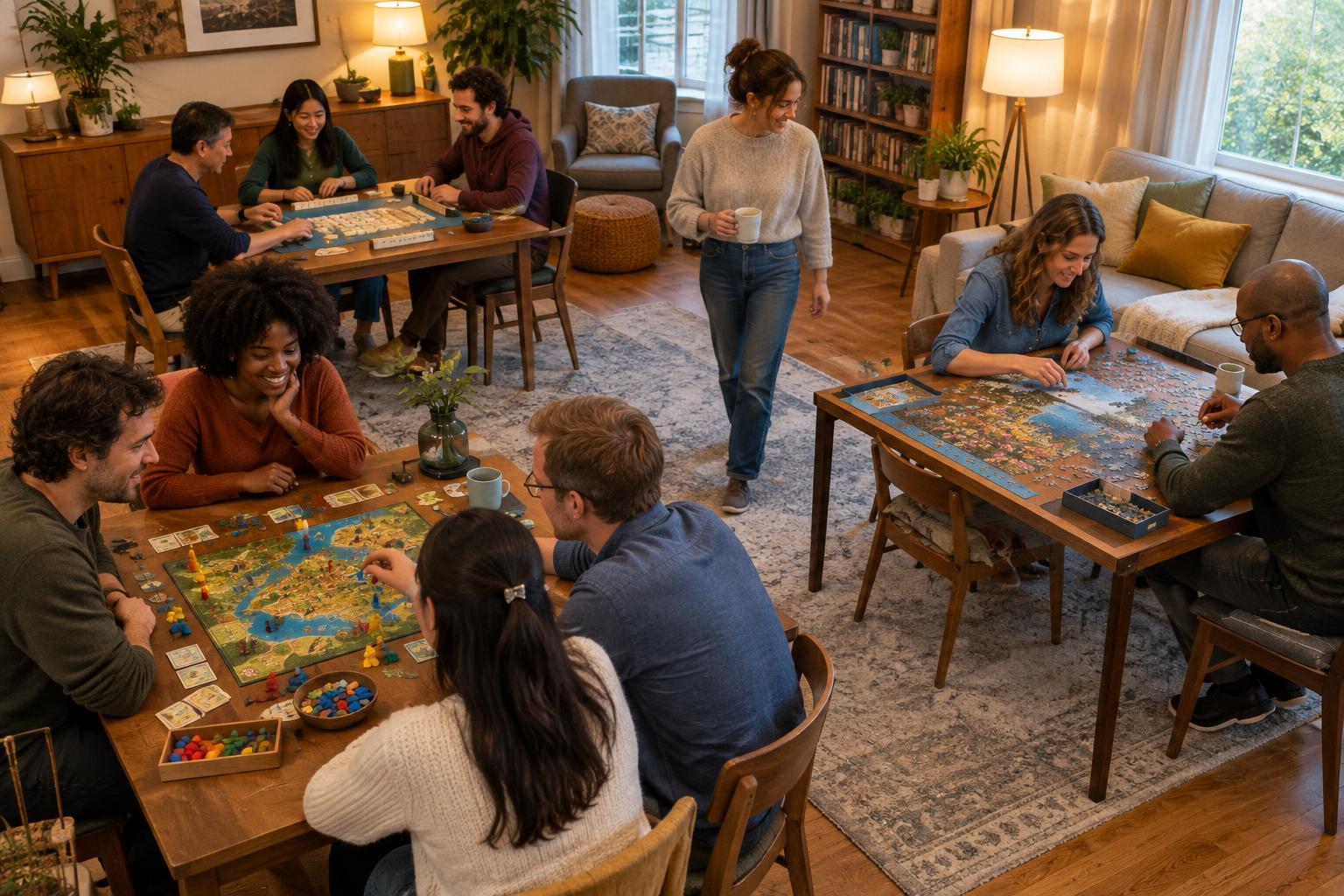
Look for common ground when selecting games. If most guests want conversation and quick turns, set aside titles with long periods of individual planning. If some enjoy complex games and others are new to the hobby, you could begin with an approachable game and offer a deeper option later. Keep player counts in mind, and have a backup in case attendance changes or a game takes longer to explain than expected.
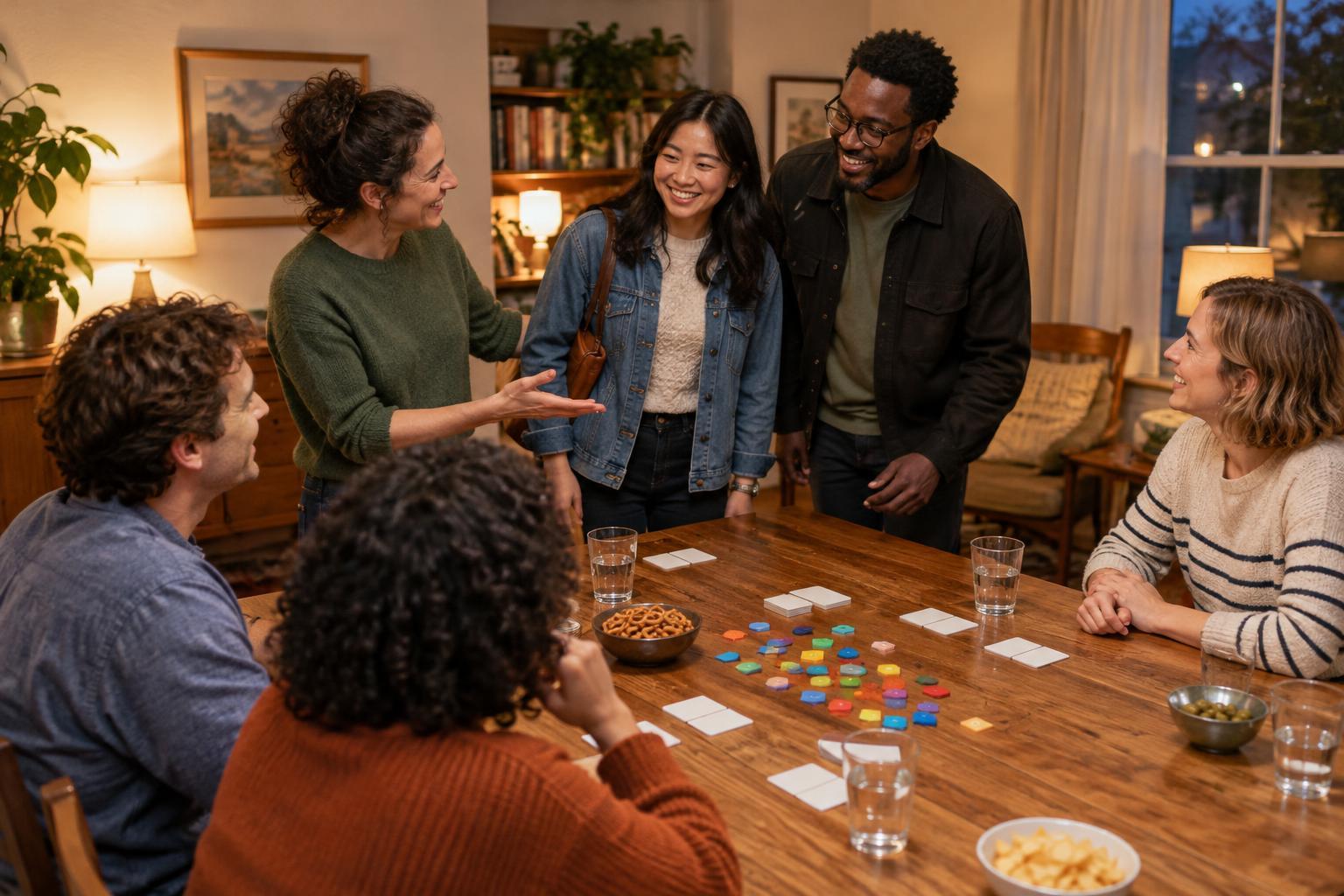
At the table, check in again before opening a box: “Would you prefer something quick and cooperative, or are you up for a longer game?” A short question respects the fact that people’s energy can change between accepting an invitation and arriving. The aim of asking in advance is not to guarantee a perfect choice. It is to show guests that their comfort and enjoyment matter, while giving yourself a manageable shortlist for the night.