Recognize the contradiction before changing anything
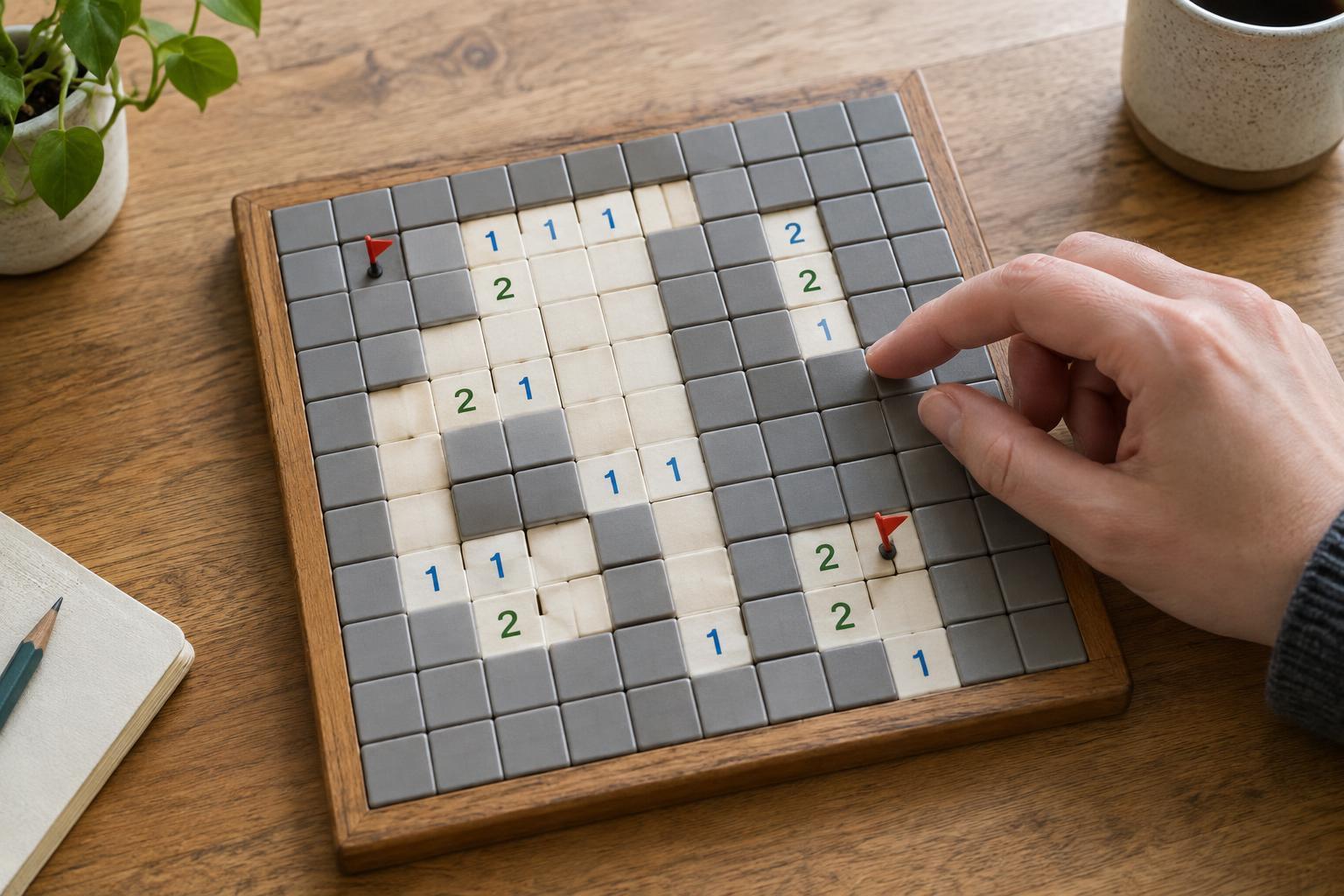
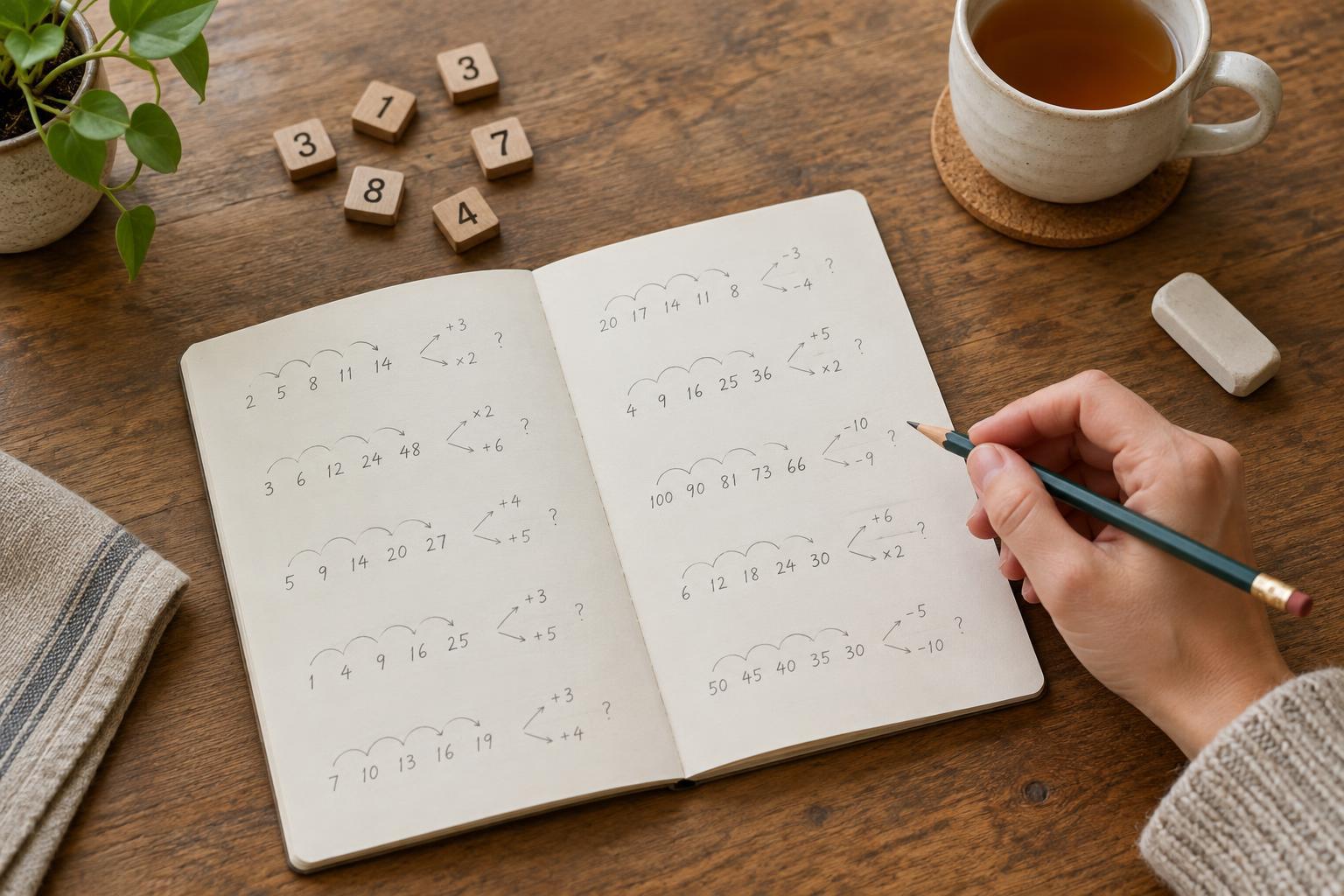
A contradiction is a point where your current entries cannot all be true under the puzzle’s rules. In a number-placement puzzle, a digit might appear twice in a unit that permits only one. In a nonogram, a completed row might no longer have enough space for its remaining runs. In a grid logic puzzle, two confirmed facts might assign one person to different places. The important word is “current”: the conflict tells you that at least one entry or interpretation needs checking, not necessarily that the printed puzzle is faulty.
Pause as soon as you notice the problem. Resist the urge to erase several nearby marks at once. First, name the exact conflict: which rule is being broken, and which entries cause it? Pointing to two specific squares or clues gives you a smaller, more useful problem than a general feeling that the grid has gone wrong.
Separate firm facts from working notes
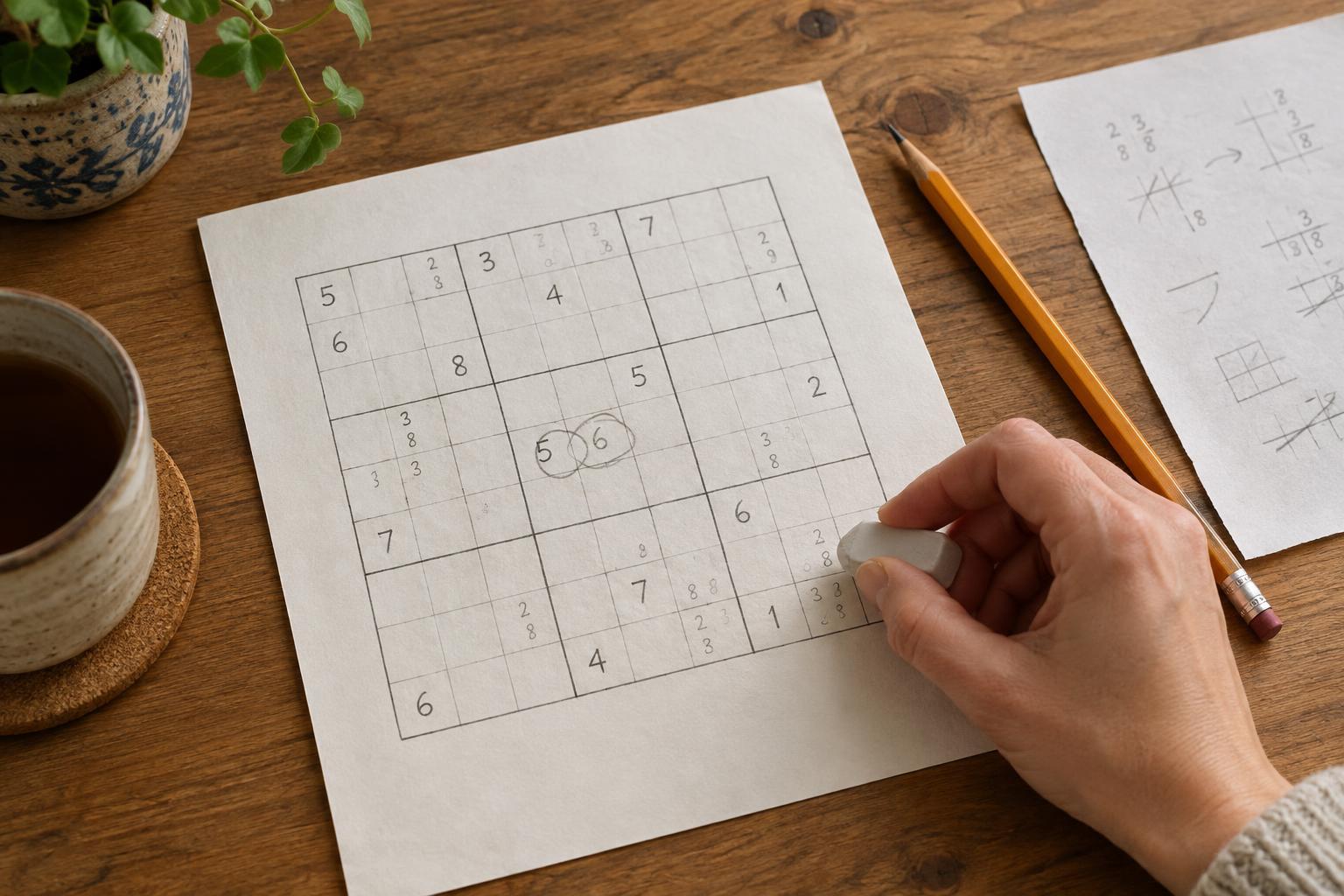
Look at how you marked the affected area. Many solvers use different notation for filled answers, small candidate marks, and tentative guesses. That distinction matters now. A candidate means “still possible,” not “confirmed,” and a guess should not quietly become the basis for a chain of supposedly certain deductions. If your marks do not show these differences, consider adding a small symbol or using a lighter pencil for uncertain entries from this point on.
Check the puzzle’s printed information before checking your own conclusions. It is easy to copy a clue into the wrong row, overlook a boundary between boxes, or misread a small number. Then review the applicable rule in its exact form. For example, a run of three filled cells in a nonogram is not interchangeable with three separated filled cells. Confirming what the clue actually requires can resolve an apparent contradiction without changing any correct deductions.
Trace backward from the conflicting entries
Start with the most recent mark involved in the conflict. Ask what justified it. If you can point directly to a printed clue or to already secure entries, leave it in place for now. If it relied on another deduction, follow that deduction backward. Continue until you reach a step that depended on an assumption, a miscount, or a conclusion that no longer follows. This is usually more efficient than rechecking every square in the puzzle.
Suppose a grid puzzle now requires one cell to be both filled and empty. The filled mark may have come from a row clue, while the empty mark came from a column clue. Recount the row’s available spaces and the column’s remaining required cells separately. Watch for a skipped cell, an extra gap between runs, or a mark placed one square off. You are not trying to decide which direction is generally more trustworthy; you are testing the reasoning behind each particular mark.
If your last several moves followed from a guess, return to the point where you made it. A contradiction may show that the guessed option cannot work, provided every step that followed was applied correctly. Check that chain once before rejecting the guess. If you cannot verify it cleanly, erase only the dependent marks and rebuild from the last confirmed position.
Use small, repeatable checks
Scan one constraint at a time rather than sweeping your eyes across the whole page. In a number grid, check the relevant row, column, and region separately. In a logic grid, compare each positive match with its corresponding exclusions. In a path puzzle, inspect the local connections at each disputed square, then check whether the path still satisfies any wider rule. A narrow checklist reduces the chance that you will repeat the same oversight while feeling that you have checked everything.
Physical handling can help, too. Cover unrelated parts of the page with scrap paper, or lightly circle the two clues you are reconciling. Count spaces with the tip of your pencil instead of estimating by sight. If a printed answer area is cramped, rewrite the relevant possibilities on spare paper, keeping each clue’s wording intact. The aim is not to create more notes; it is to make one decision easy to inspect.
Recover and make the next contradiction easier to solve
Once you find the unsupported step, remove it and any entries that depended on it. Keep independent deductions: a mistake in one corner does not automatically invalidate the whole puzzle. Then reapply the clues to the cleared area without trying to preserve your previous answer. You may find that the correct move is simply to leave a square undecided until another clue provides enough information.
If the source remains unclear, take a short break or restart from a clean copy if one is available. That is a practical reset, not a failure. For future puzzles, mark guesses distinctly, avoid filling several cells from an unverified count, and check each new placement against its crossing constraints. A contradiction is most useful when you treat it as a precise signal to inspect your reasoning, one step at a time.