Ask what the random element changes
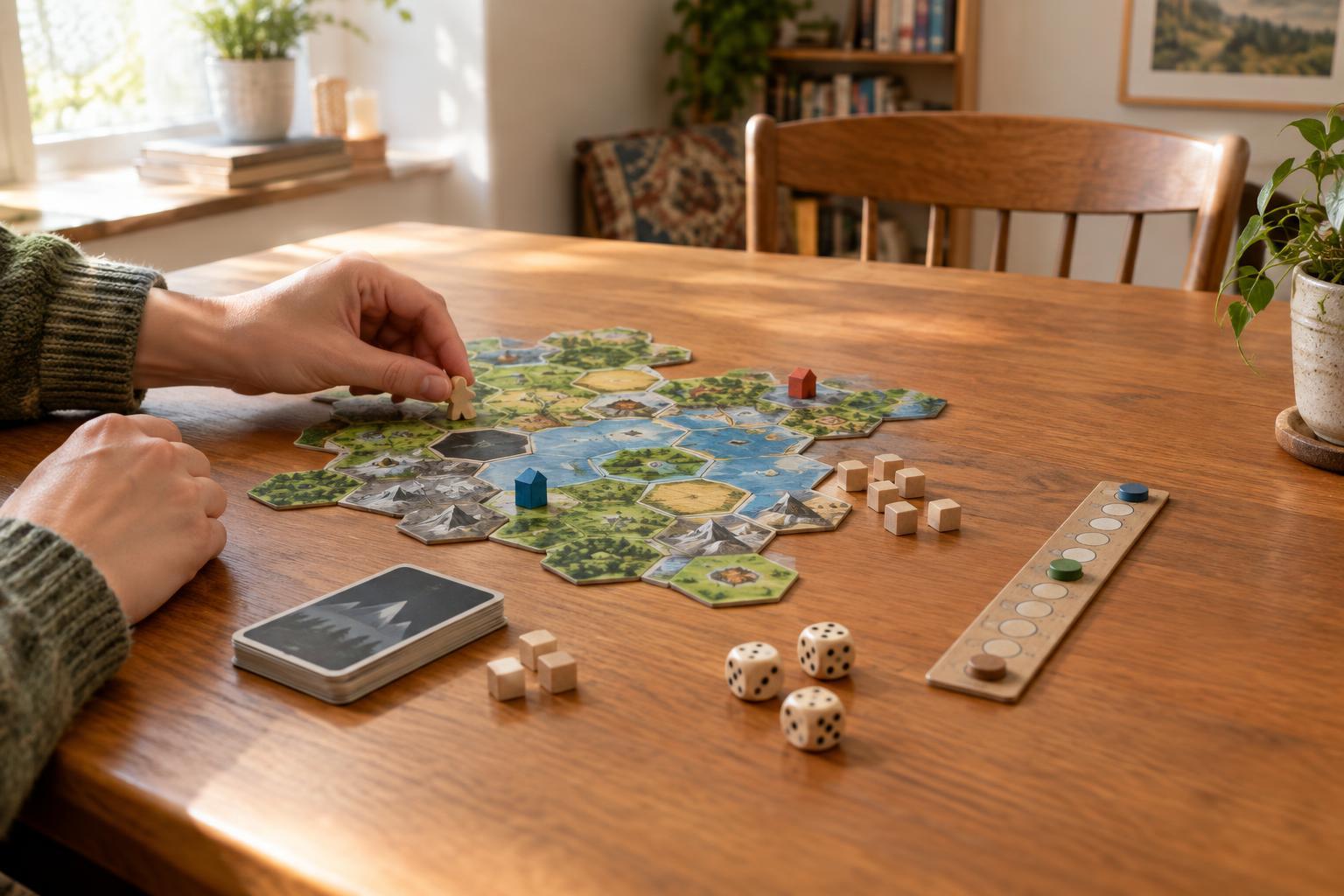
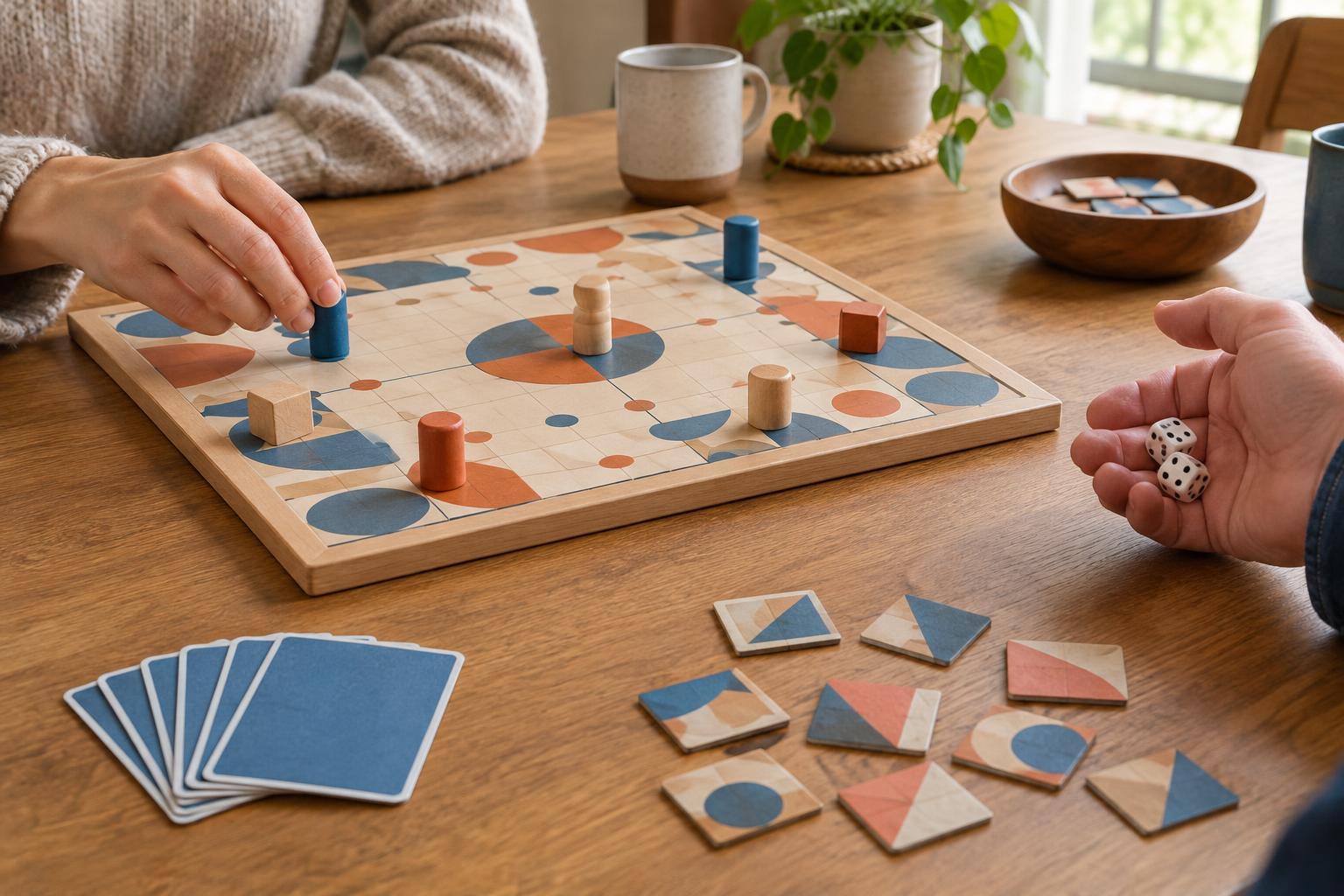
A game is not simply “lucky” or “strategic.” Randomness can determine which options appear, whether a chosen action succeeds, or what happens after players have made their plans. Start by identifying the unpredictable events: dice rolls, shuffled decks, tile draws, hidden objectives, or pieces placed without a fixed pattern. Then ask what each event changes. Does it create a new puzzle, set the pace, or decide who earns points?
Timing matters. Drawing a hand of cards before choosing an action gives you a chance to adapt to the cards you received. Rolling a die after committing your only action may leave less room to respond. Neither approach is automatically better. The useful question is whether the uncertainty produces decisions you enjoy.
Look for meaningful choices around chance
To gauge player agency, trace one typical turn. Before a random result, can you choose a safer action, prepare a backup plan, or spend a limited resource to improve your position? After the result, can you change course? Randomness often feels easier to accept when players can manage risk rather than merely wait for a favorable outcome.
Consider the size of the result as well as the number of choices surrounding it. A card that gives one player a small bonus may add variety without changing the overall contest. A single late draw that reverses a carefully built lead can feel dramatic or discouraging, depending on the group. Watch for repeated opportunities to make useful decisions, not just one impressive choice at the start.
Check whether setbacks are recoverable
An unlucky turn need not ruin a game. Some designs offer several routes to a goal, so a blocked plan encourages a different approach. Others let players trade, reposition, select from multiple cards, or pursue smaller rewards while they rebuild. These options do not remove luck; they give players something constructive to do with an unfavorable result.
Pay particular attention to how long a setback lasts. Losing one opportunity in a short round is different from falling behind early in a long game with no plausible way to catch up. Likewise, a game can be enjoyable even when its outcome is unpredictable, provided players remain engaged along the way. Ask whether someone who gets a poor early draw still has interesting turns to play.
Observe patterns across more than one play
One session can give a misleading impression. A fortunate sequence may make a game seem effortless, while a string of awkward draws may make it seem harsher than usual. If you can, play again with the same rules and notice whether different choices lead to different situations. You are not trying to prove that skill always wins; you are checking whether learning the game changes how you play it.
After each session, discuss specific moments rather than asking only whether the game was fair. Which surprises created an engaging decision? Which ones made a turn feel pointless? Did players recognize a risk before taking it, or did an unexpected rule consequence catch them out? This kind of conversation also helps separate dissatisfaction with randomness from confusion about the rules.
Match the uncertainty to your group
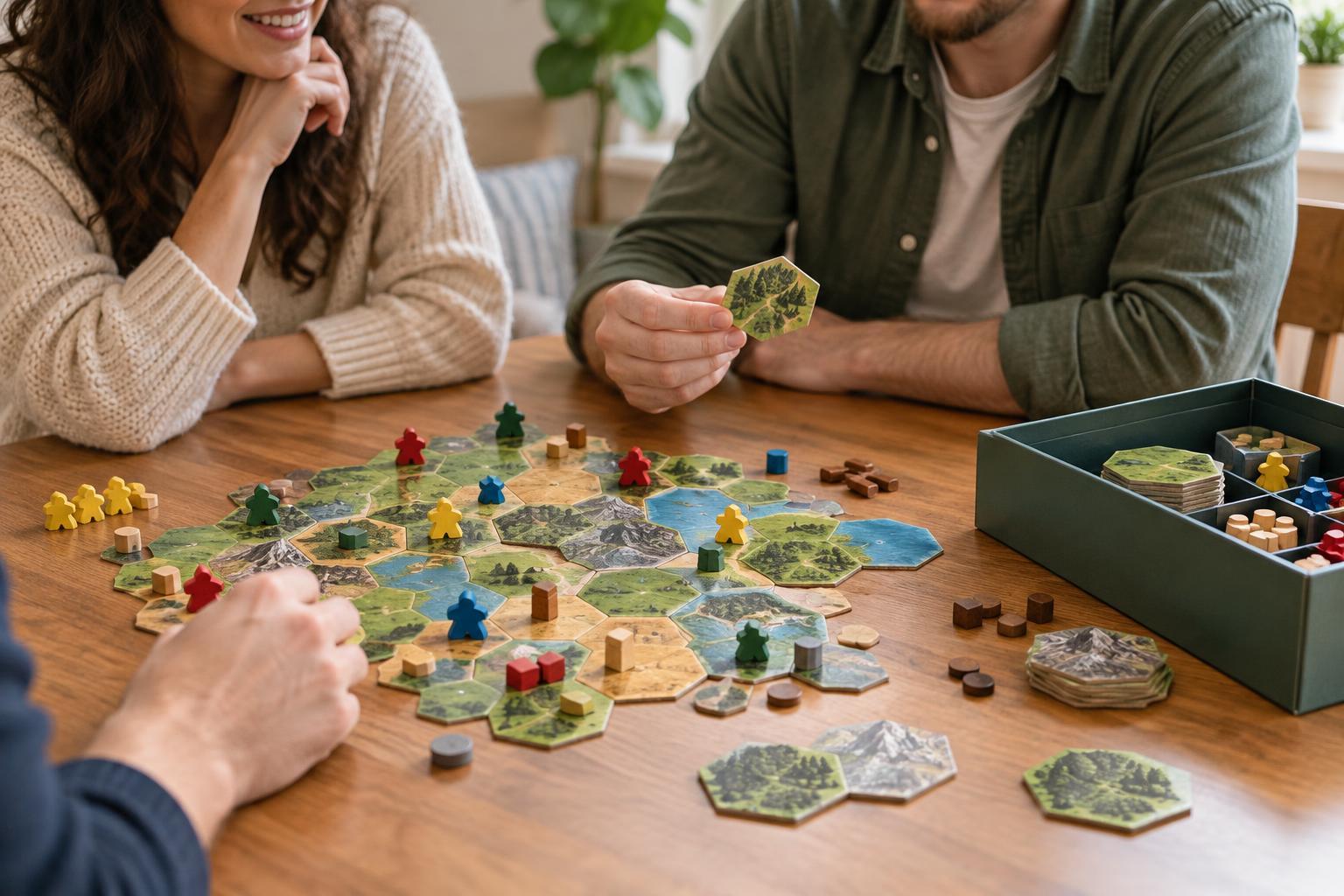
The right amount of luck depends on what your table wants. A casual group may welcome changing situations that keep everyone involved without requiring a detailed plan. Players who enjoy developing a strategy over several turns may prefer randomness that supplies varied options but leaves most major decisions in their hands. Neither preference makes a game better in every setting.
When choosing a game, describe its randomness in concrete terms: “We draw new cards each round and choose how to use them” is more helpful than “It’s mostly luck.” For a game night, consider the session length, the effort needed to learn the rules, and how comfortable players are with unpredictable reversals. A good fit is one where surprises add energy while the decisions between them still feel worthwhile.