Find out what kind of waiting is happening
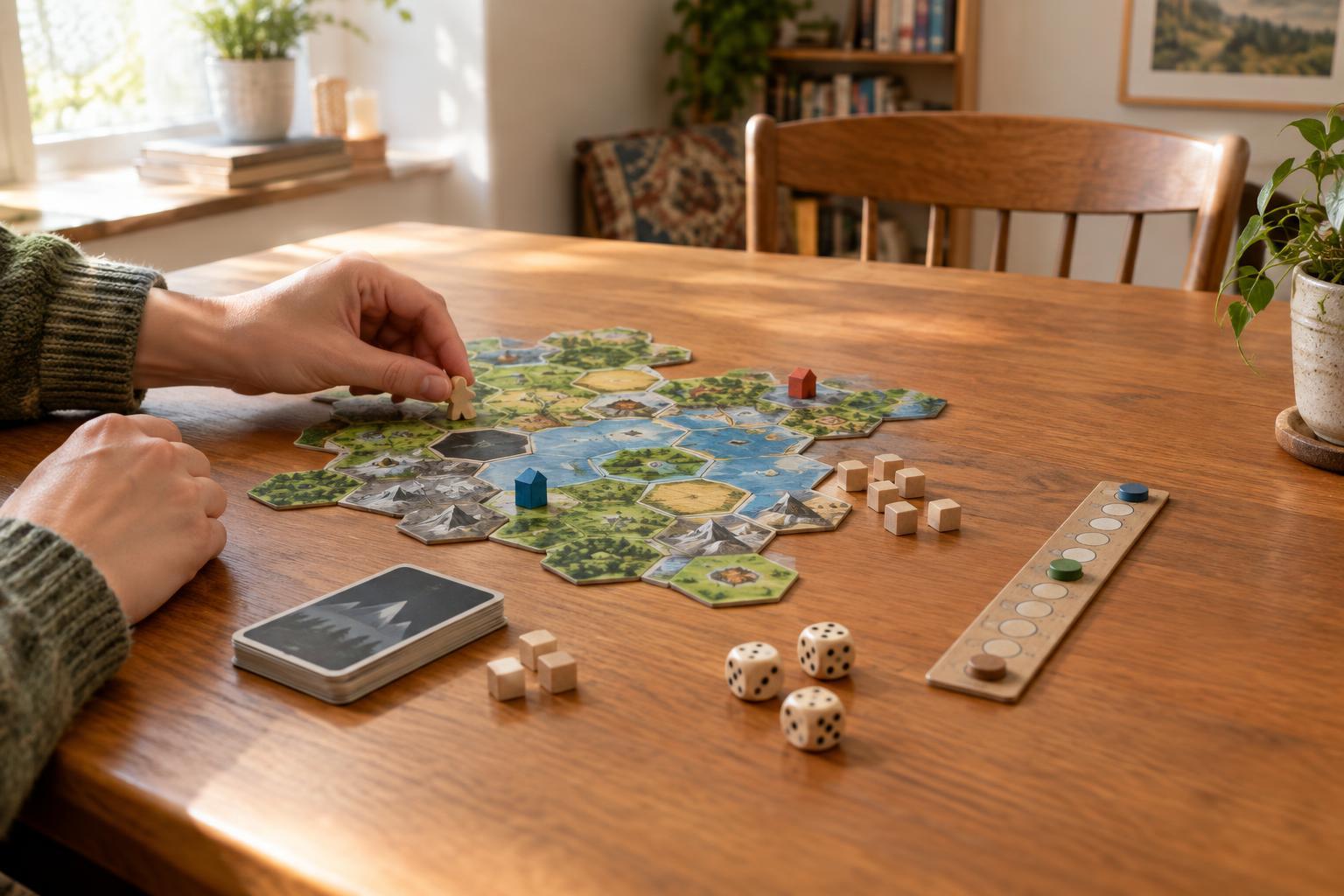
Downtime is not always a problem. In a longer game, players may enjoy watching a tense decision unfold or considering how the board might change. Waiting becomes frustrating when someone has little to observe, cannot plan until another turn ends, or is unsure whether it is their turn. Before trying to speed up play, notice where attention tends to drift.
Different causes need different fixes. A slow first round may simply reflect unfamiliar rules. Repeated pauses to count resources suggest a table-organization issue. A player taking extra time on a difficult move may need space rather than a reminder to hurry. Treat pace as a shared feature of the game, not a flaw in one person.
Make the next turn easy to spot
A simple turn cue prevents avoidable gaps. At the end of a turn, the active player can say whose turn is next. If the game has several phases, keep a small reference card or the rulebook’s turn summary visible. This helps players know when they can begin planning and when they need to pay attention to another player’s action.
Encourage players to prepare what they can before their turn: review cards, check available spaces, or identify two possible moves. Preparation should remain flexible because the board may change. If the rules require hidden choices or forbid acting early, keep those boundaries clear. The aim is to reduce the pause before a decision, not to resolve it ahead of time.
Streamline routine tasks without skipping the game
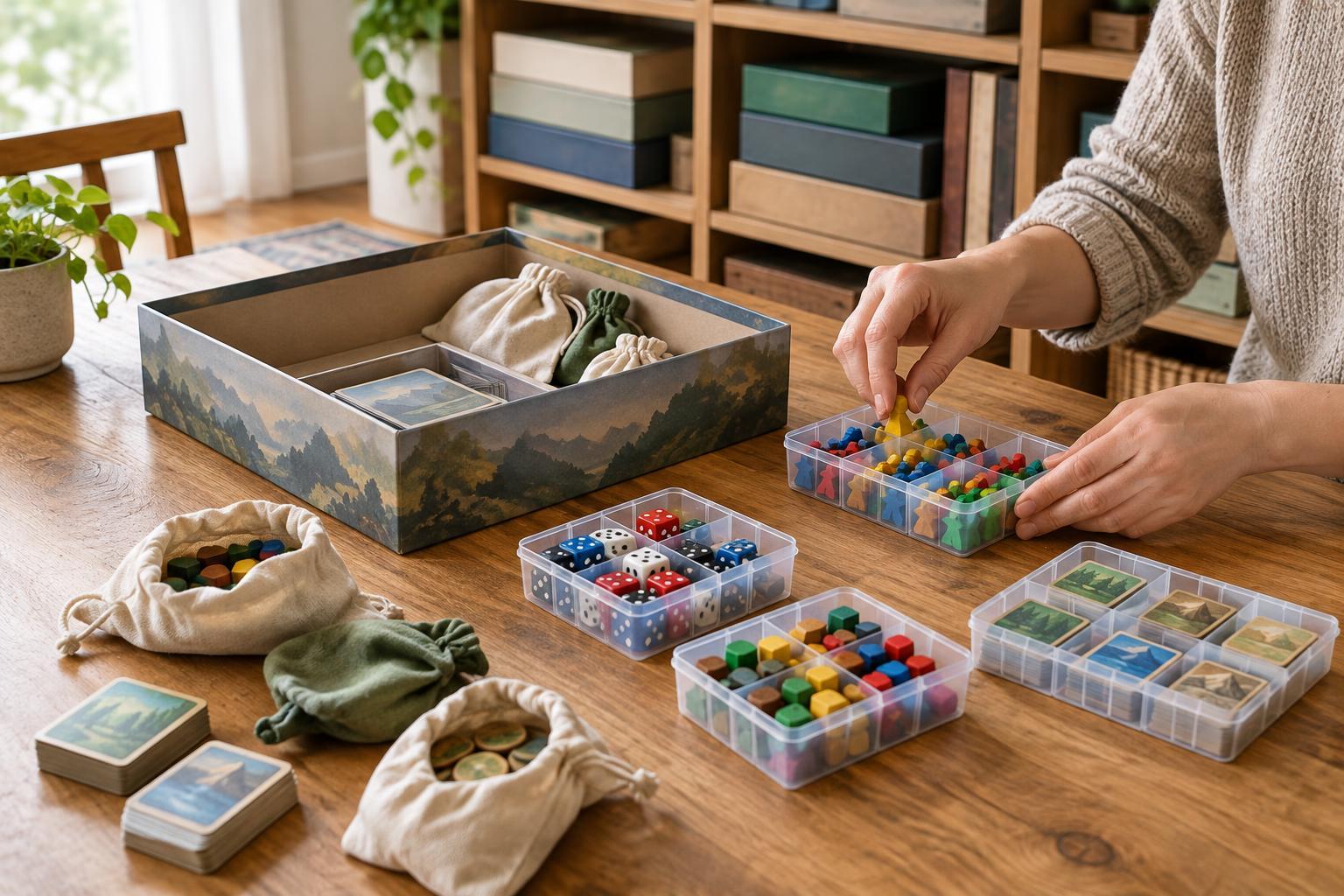
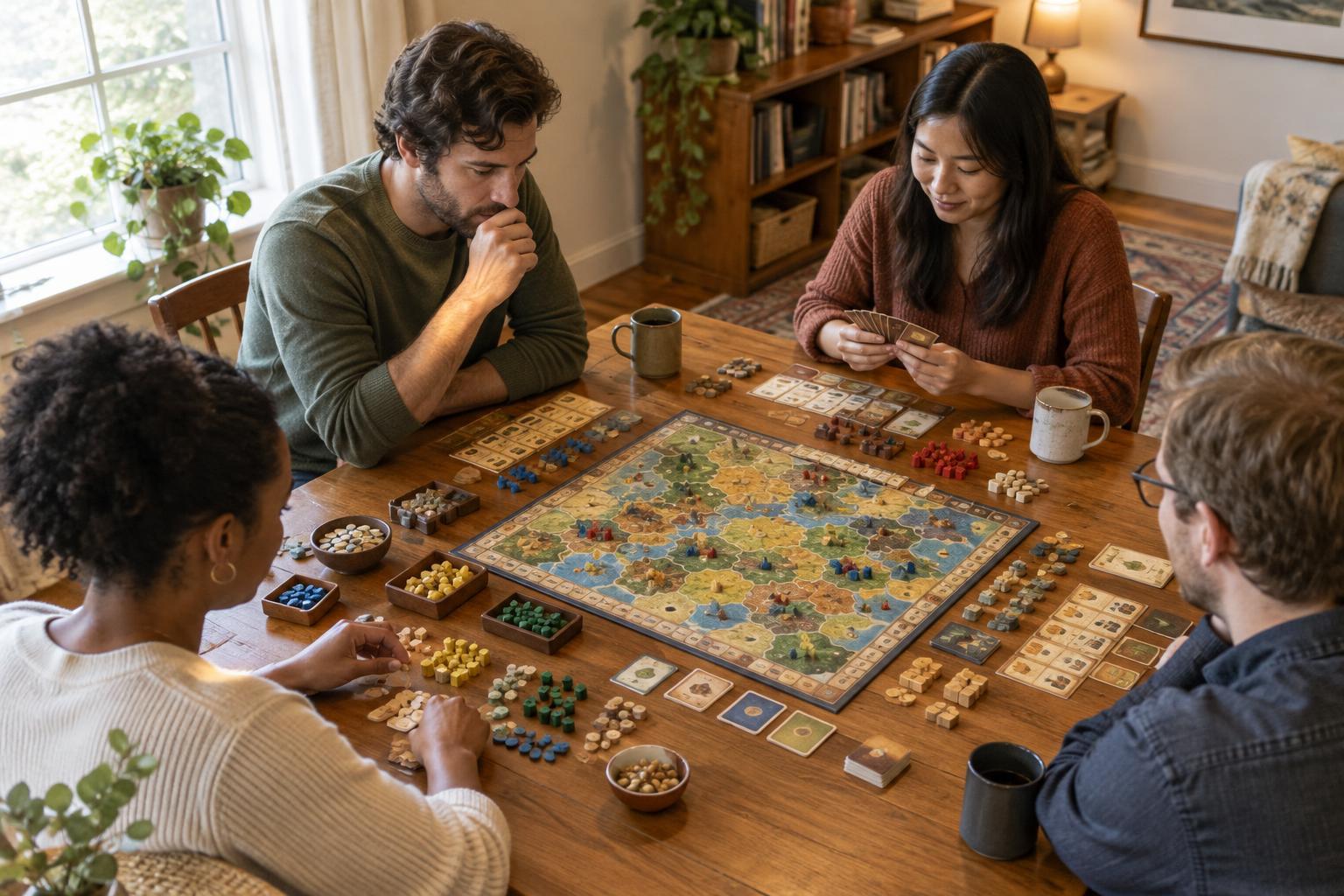
Small physical tasks can quietly add up. Put commonly used tokens within reach, give discards a consistent location, and agree on who updates shared tracks. In games with frequent counting, group pieces into easy-to-read piles when possible. A tidy play area makes the state of the game easier to understand as well as faster to maintain.
Some groups find it helpful to let one player handle a repetitive task, such as refilling a display or returning used pieces to a supply. Choose a task that is straightforward and visible, and let anyone ask for a count or correction. Do not combine steps that affect player choices unless everyone understands the order. Clear procedures prevent the time saved on upkeep from turning into time spent untangling a mistake.
Give thinking time a fair shape
Long games often invite careful decisions. Instead of demanding instant moves, agree on a gentle expectation before play: players will think ahead when possible, explain if they need a moment, and avoid reopening a settled choice unless the rules allow it. This sets a pace without making anyone feel that a thoughtful turn is unwelcome.
If a group wants firmer structure, try a casual reminder after a long pause or use a timer as an optional prompt. Check first that everyone is comfortable with it. Timers can be useful for familiar games but may be distracting while people learn. A player facing an unusually complex position can still have more time; consistency does not require treating every turn as identical.
Keep waiting players part of the table
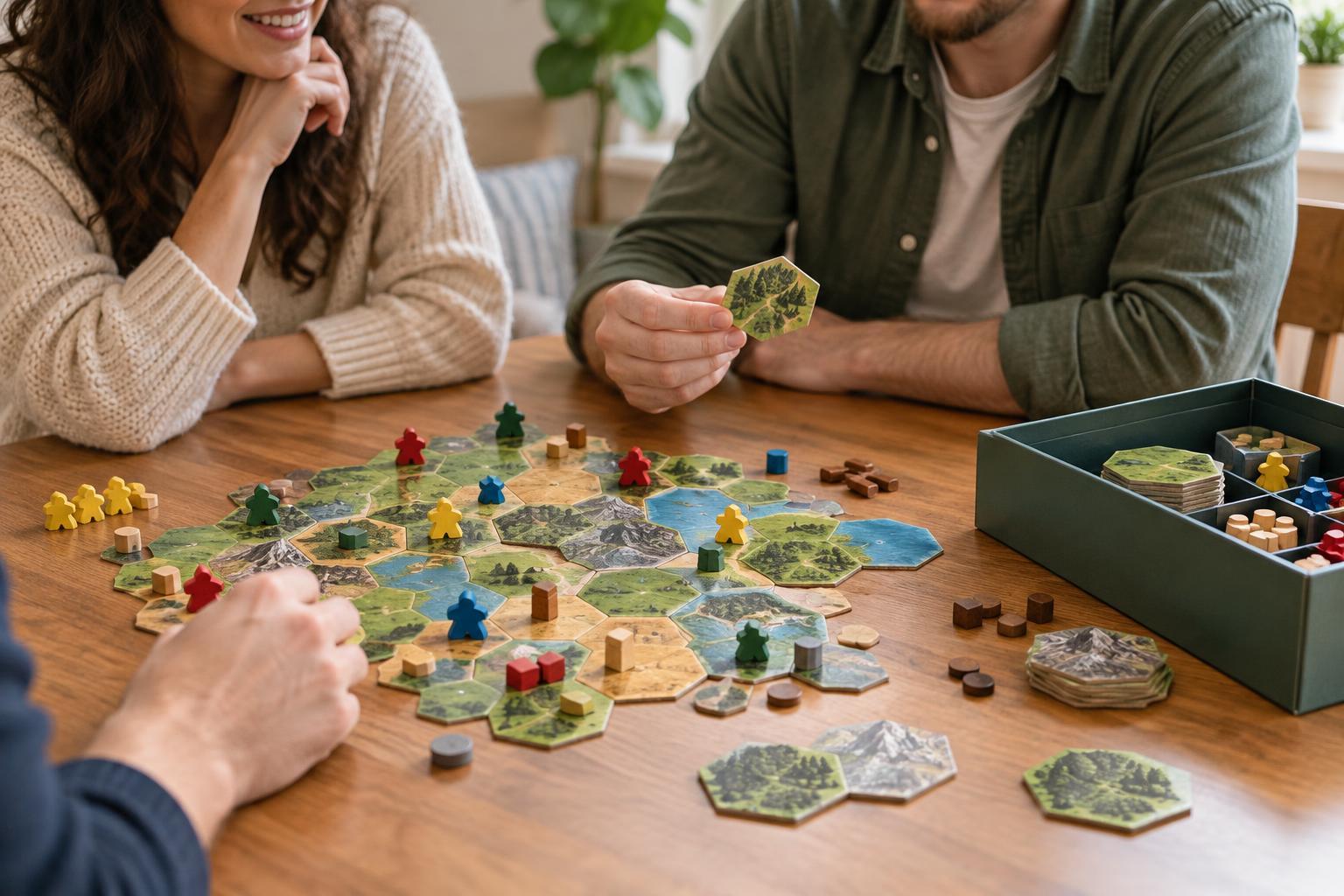
Between turns, players may have useful things to watch: an opponent’s move, a changing market, or a shared objective. Reading important public actions aloud can help everyone follow the game without requiring a running commentary. When an action directly affects another player, pause long enough for that person to respond. Engagement matters more than raw speed.
Build breaks into the plan for a particularly long session. A short pause between rounds gives people a chance to stretch, get a drink, or return with a clearer view of the board. If downtime remains high despite good table habits, consider a different game for that group or occasion. The best pace is one that leaves room for the decisions players came to enjoy.