Ask before you plan the menu
Food is part of the fun at many game nights, but a table full of snacks is not welcoming if a guest has to guess what is safe or suitable for them. Before shopping, send a short message asking whether anyone has dietary restrictions or food preferences you should account for. Leave room for guests to describe what matters to them rather than asking them to fit a label such as “vegetarian” or “gluten-free.” Some people avoid an ingredient; others also need to know how food was prepared.
Keep the conversation practical and private. You can ask, “Is there anything you need me to avoid or check when planning food?” If a guest mentions an allergy or another strict restriction, ask what arrangement they would be comfortable with. They may prefer a packaged item, a separate serving area, or food they bring themselves. Do not promise that a dish is suitable unless you can confirm its ingredients and handling. The aim is to make participation easy, not to put anyone on the spot at the table.
Build a flexible spread instead of one complicated dish
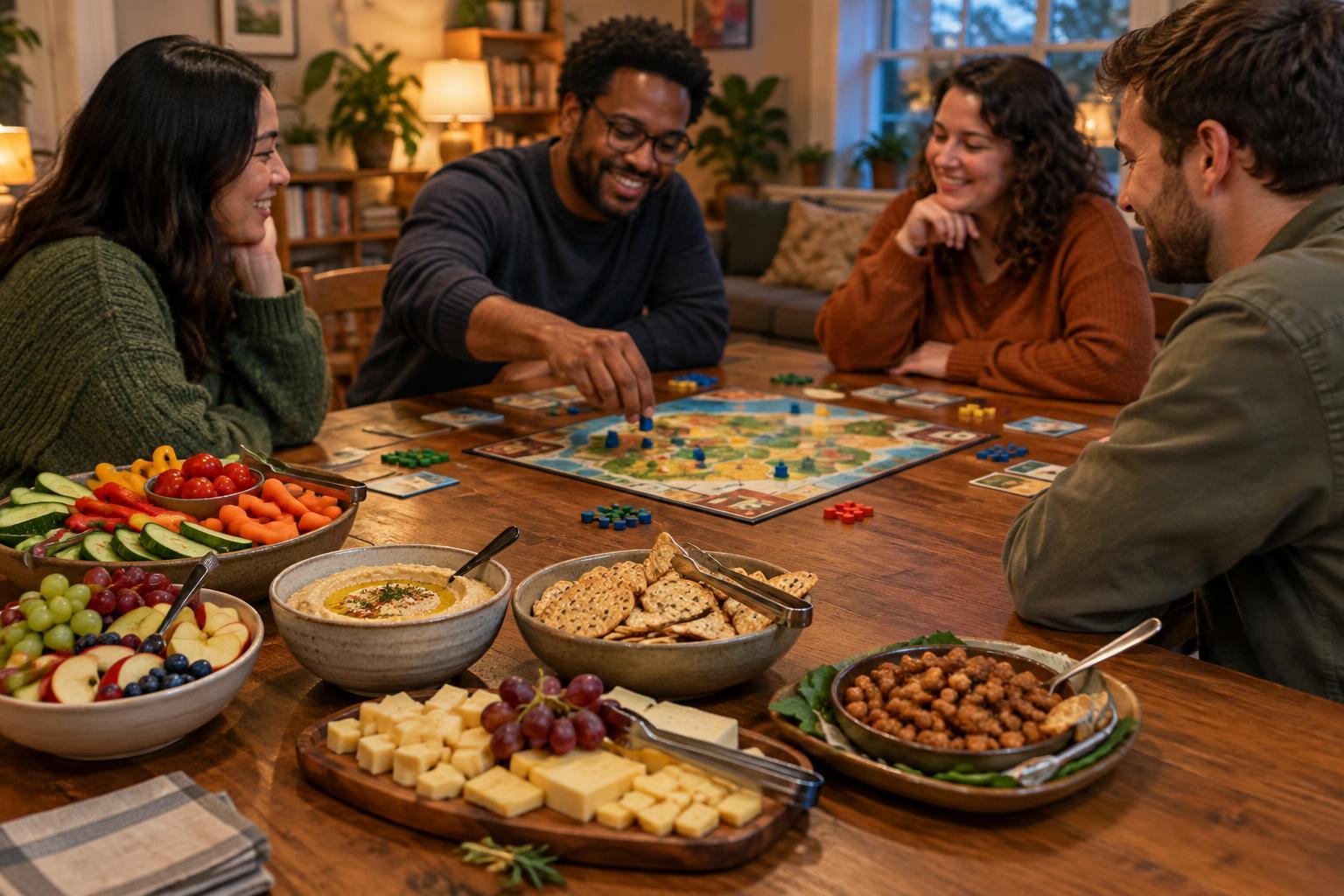
A mix-and-match menu gives guests more control than a single casserole, pizza order or mystery dip. Start with a few simple items that can be eaten on their own, then offer toppings and extras separately. For example, a snack board might include fruit, cut vegetables, plain crackers, dips and a filling option, with each item in its own bowl. For a longer evening, a build-your-own meal can work well if the bases, fillings and sauces stay separate.
Plan at least one satisfying option for each guest rather than assuming they can make a meal from side dishes. If you cannot provide that confidently, say so early and coordinate an alternative. Keep serving utensils with their designated bowls, and avoid placing a restricted option directly beside a crumbly or spill-prone food when separation matters. Simple recipes also make it easier to remember what went into each dish, though the product label and preparation details still matter.
Make ingredients and serving arrangements clear
Guests should not have to interrogate the host every time they want a snack. Put a small card beside each dish with its name and key ingredients, and keep packaging available for anyone who wants to check it. If you made something at home, note additions that might not be obvious, such as a sauce, topping or cooking oil. Labels should describe what you know, not make broad assurances you cannot verify.
Shared food can pick up crumbs or ingredients from another dish through hands, knives or serving spoons. Use separate utensils, leave packaged items sealed until needed, and replenish a bowl with a clean utensil rather than tipping new food onto leftovers. If a guest needs stricter separation than your setup can provide, work out another approach with them. Clear communication is more useful than presenting a busy snack table as risk-free.
Choose food that works with play
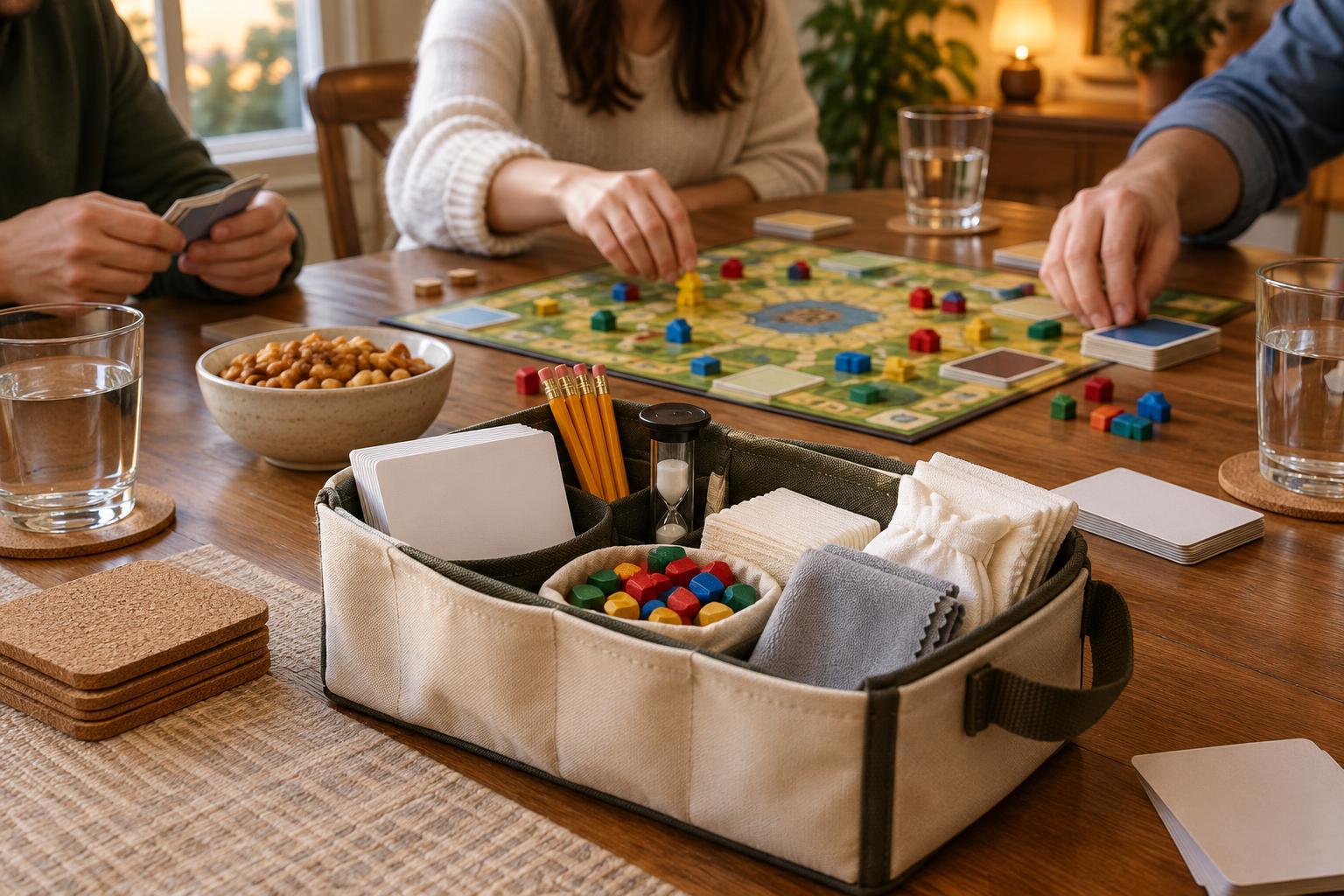
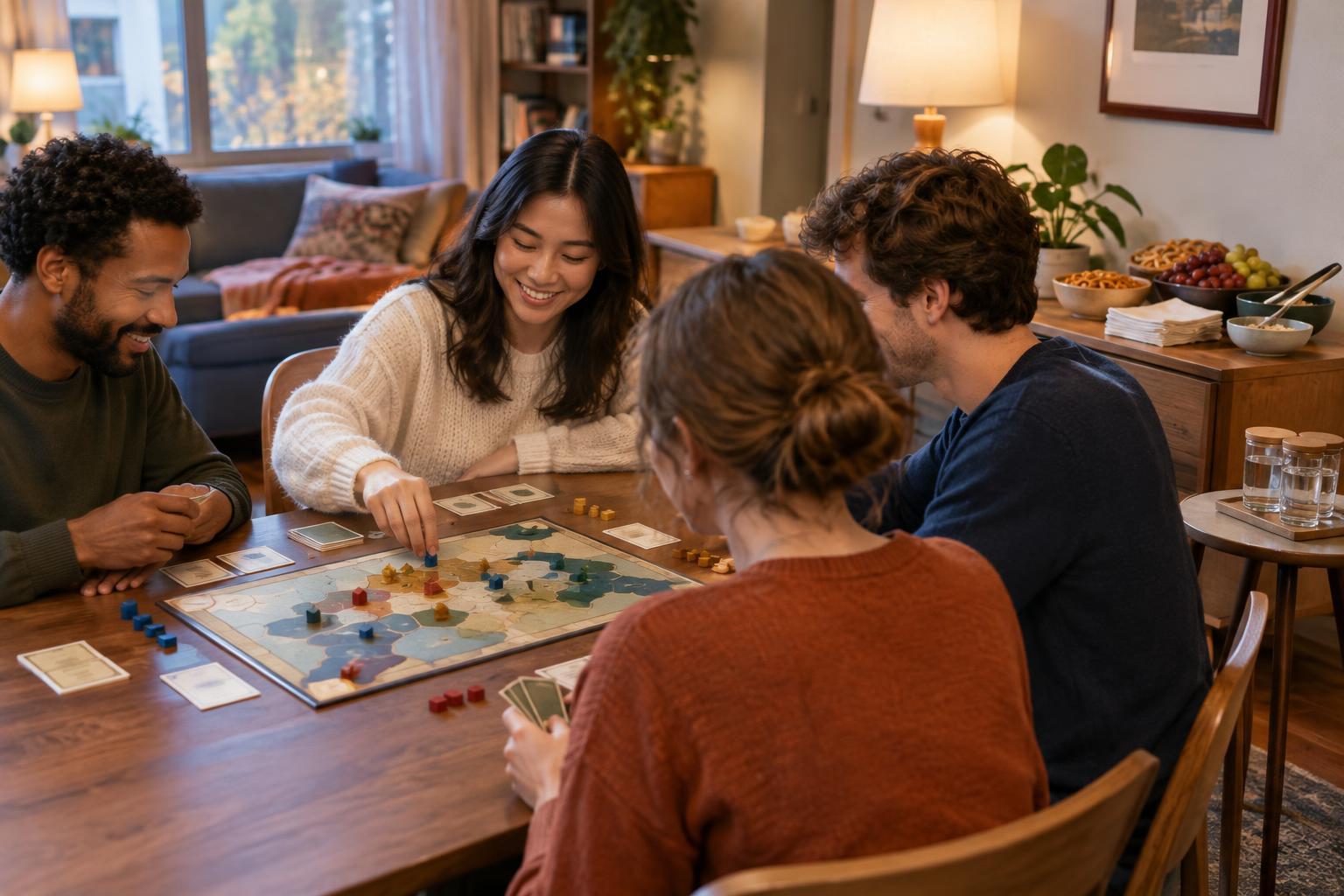
Good game-night food is easy to pause between turns and unlikely to coat cards, tiles or controllers. Bite-size portions, small plates and napkins make it easier for guests to eat without hovering over the board. Put drinks on a side table when possible, especially during games with crowded player areas. A break between rounds is a natural time to serve a larger meal or bring out dessert.
Consider the rhythm of the games you have chosen. Short party games leave plenty of chances to visit the snack table; a long strategy game may call for a planned food break before everyone settles in. Keep water easy to find alongside any other drinks. If guests are bringing dishes, share the menu plan first so you do not end up with five desserts and no substantial option. Ask contributors to bring ingredient information or packaging, too.
Give guests choices without making food the main event
On the day, show guests where the food, labels and clean utensils are, then let them choose what works for them. There is no need to announce anyone’s restriction to the group. A host can quietly check whether the agreed option is accessible without drawing attention to who requested it.
Afterward, note what ran out, what was awkward to serve and whether any guest suggested a better arrangement for next time. A successful menu does not have to be elaborate. It gives people enough information and enough choice to enjoy the snacks, then turn their attention back to the game.