Start with the shape of the game
Before opening bags of pieces or sorting decks, read the rulebook’s introduction and objective. Try to answer three questions in your own words: What are players trying to accomplish? What brings the game to an end? How is the winner decided, if there is one? These answers give the remaining rules a purpose. Without them, a description of moving pieces or collecting cards can feel like a list of unrelated instructions.
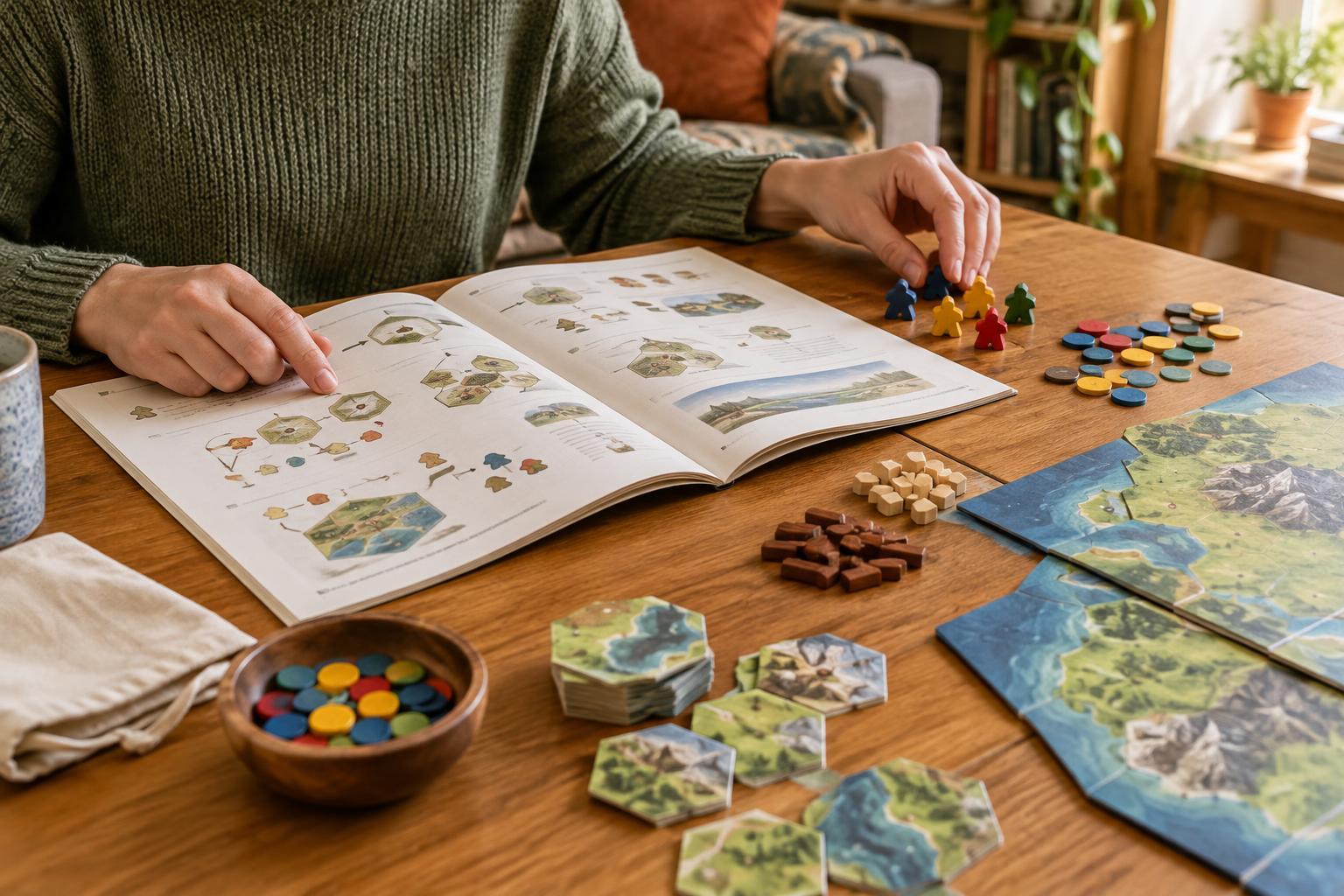
Next, skim the headings rather than reading every line immediately. Look for setup, turn order, actions, scoring, and end-of-game rules. Check whether the book has a glossary, examples, or a player reference sheet. Some games place an important condition, such as a round limit or a final scoring step, near the back. A quick map of the book makes it easier to find that condition later.
Read setup as a checklist
Read the setup section with the components in front of you. Identify what belongs in a shared supply, what each player receives, and what stays out of the game. Pay close attention to instructions that change with player count. If pieces look similar, compare them with the component list or illustrations before distributing anything.
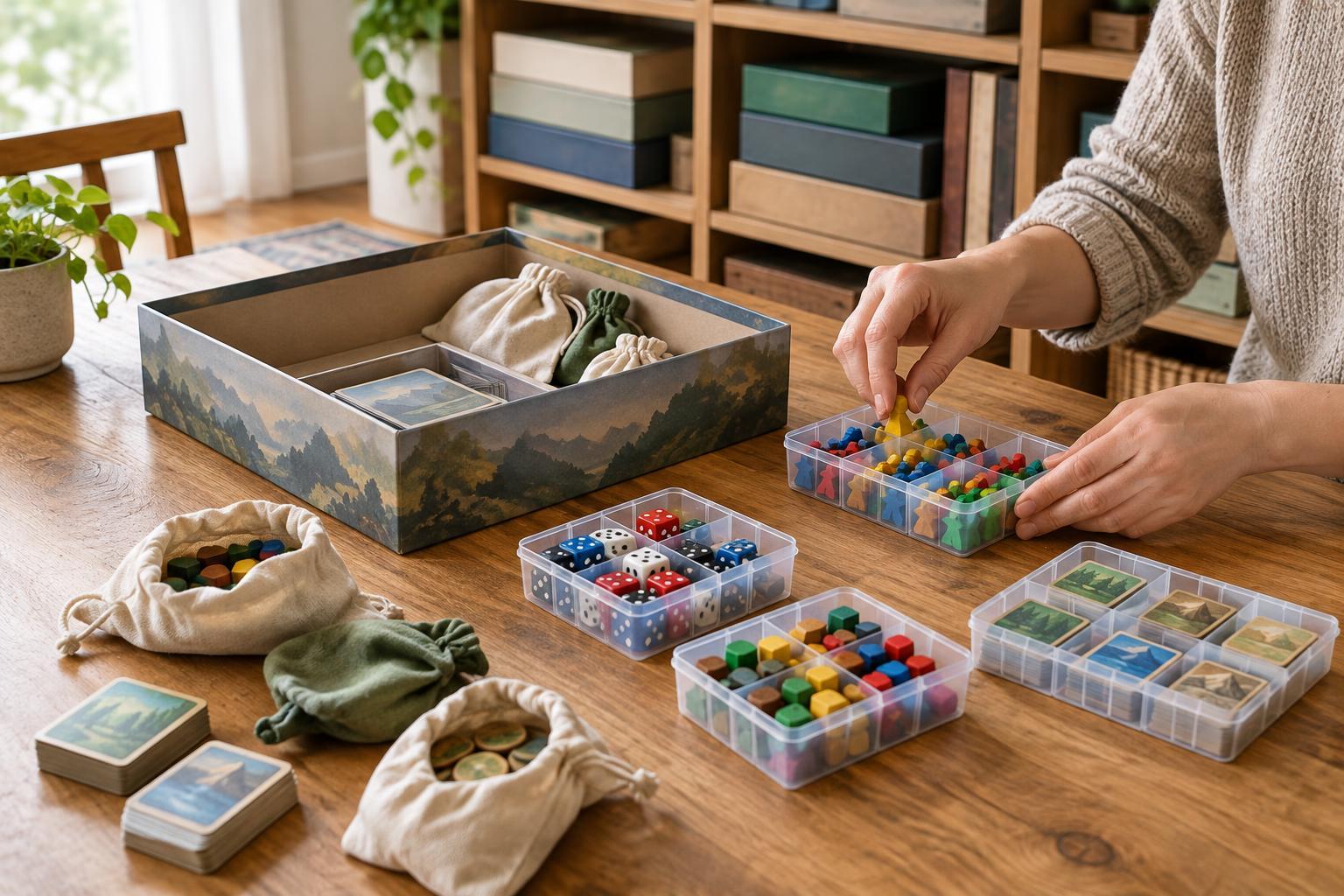
Follow setup in the order printed unless the rulebook clearly presents the steps as interchangeable. The state of a deck, board, or starting space may depend on an earlier step. If you are preparing ahead of a game night, you can organize components into small groups, but leave yourself a way to verify the starting position when everyone arrives. A tidy table helps; a correct table matters more.
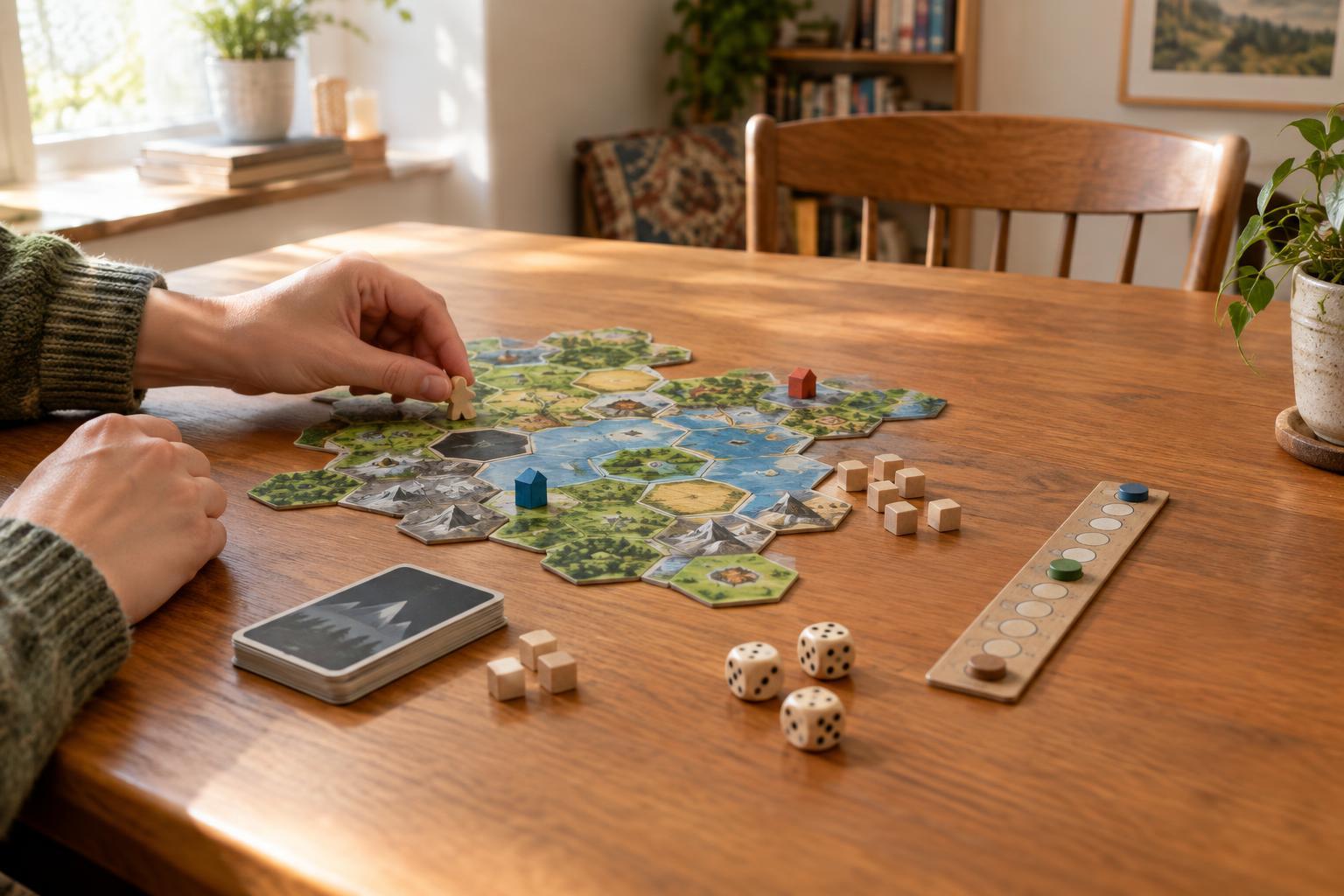
After setup, pause and look at the play area as a whole. Can everyone reach the pieces they need? Is there a visible place for discards, spent resources, or completed objectives? The rulebook may not prescribe every bit of table organization, so choose arrangements that make the stated rules easy to follow.
Trace one complete turn
Read the turn structure once without trying to master every action. Find out who goes first, what happens at the start of a turn, what a player may or must do, and what marks the turn’s end. Notice whether play moves clockwise, passes to a specific player, or continues through rounds with shared steps. A simple mental outline is more useful at this stage than memorizing every exception.
Then return to the available actions. For each one, ask what it costs, what changes on the table, and whether it can be repeated. Words such as “may,” “must,” “once,” and “instead” often determine whether a choice is optional or replaces another action. If an action refers to a term you have not seen, check the glossary or its first definition rather than guessing from its everyday meaning.
Try a sample turn using the starting pieces, then reset them. Say the steps aloud: collect any start-of-turn resources, choose an action, resolve its effects, and check what happens next. Use the game’s actual sequence, even if it differs from that example. This short rehearsal can reveal a missing setup piece or an unclear timing rule before other players are waiting.
Separate core rules from special cases
A rulebook may describe a basic procedure and then add card effects, character abilities, or exceptions. Learn the basic procedure first. When a later rule modifies it, note exactly what changes: who can act, when they can act, or how an effect resolves. Avoid treating a memorable example as a general rule unless the surrounding text says it is one.
Examples are useful for checking your interpretation, but they may illustrate only one situation. If the printed example and your reading seem to disagree, reread the rule immediately before it and look for defined terms. You can mark a page or keep a short list of questions to revisit. For a first play, it is often enough to know where an uncommon rule lives rather than holding its full wording in memory.
Prepare to teach, then keep the book nearby
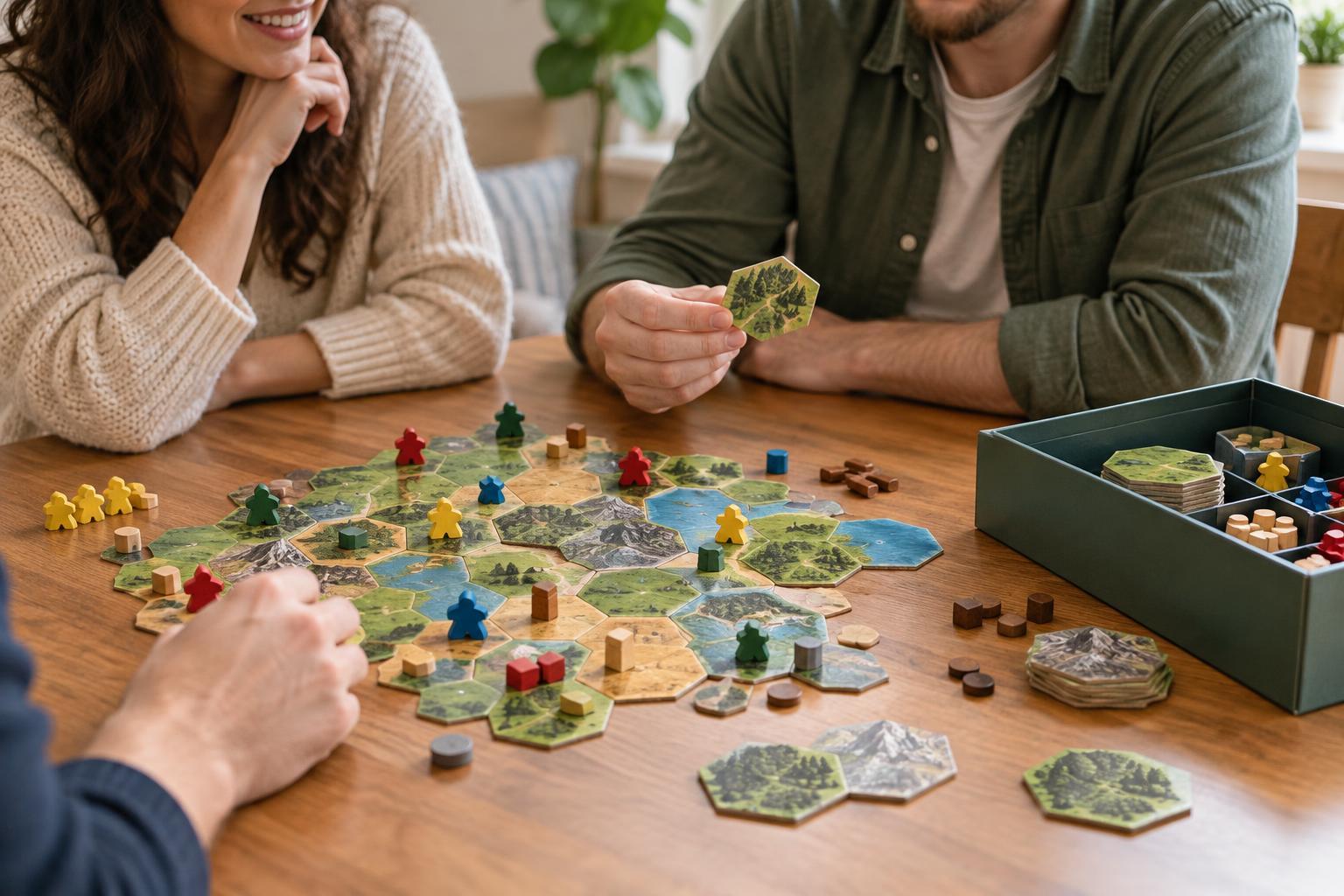
If you will explain the game to others, plan a brief introduction in this order: the goal, how a turn works, the main choices, and how the game ends. Point to real components as you speak. Save unusual exceptions until players need them, unless knowing one in advance is essential to making a fair choice. Invite questions before the first turn, and avoid turning the introduction into a reading of the entire book.
Keep the rulebook and any player aids within reach during play. When a question arises, identify the specific issue before searching: Is it about timing, a cost, an action limit, or scoring? Read the relevant rule in context, then apply it consistently. If the answer remains unclear, agree on a temporary interpretation so the game can continue, and make a note to revisit it afterward.
The goal of a first read is not perfect recall. It is to begin with the right setup, understand the rhythm of play, and know how to find answers. Once players have taken a few turns, many rules that seemed abstract on the page will have a place on the table.