Learn the game before you teach it
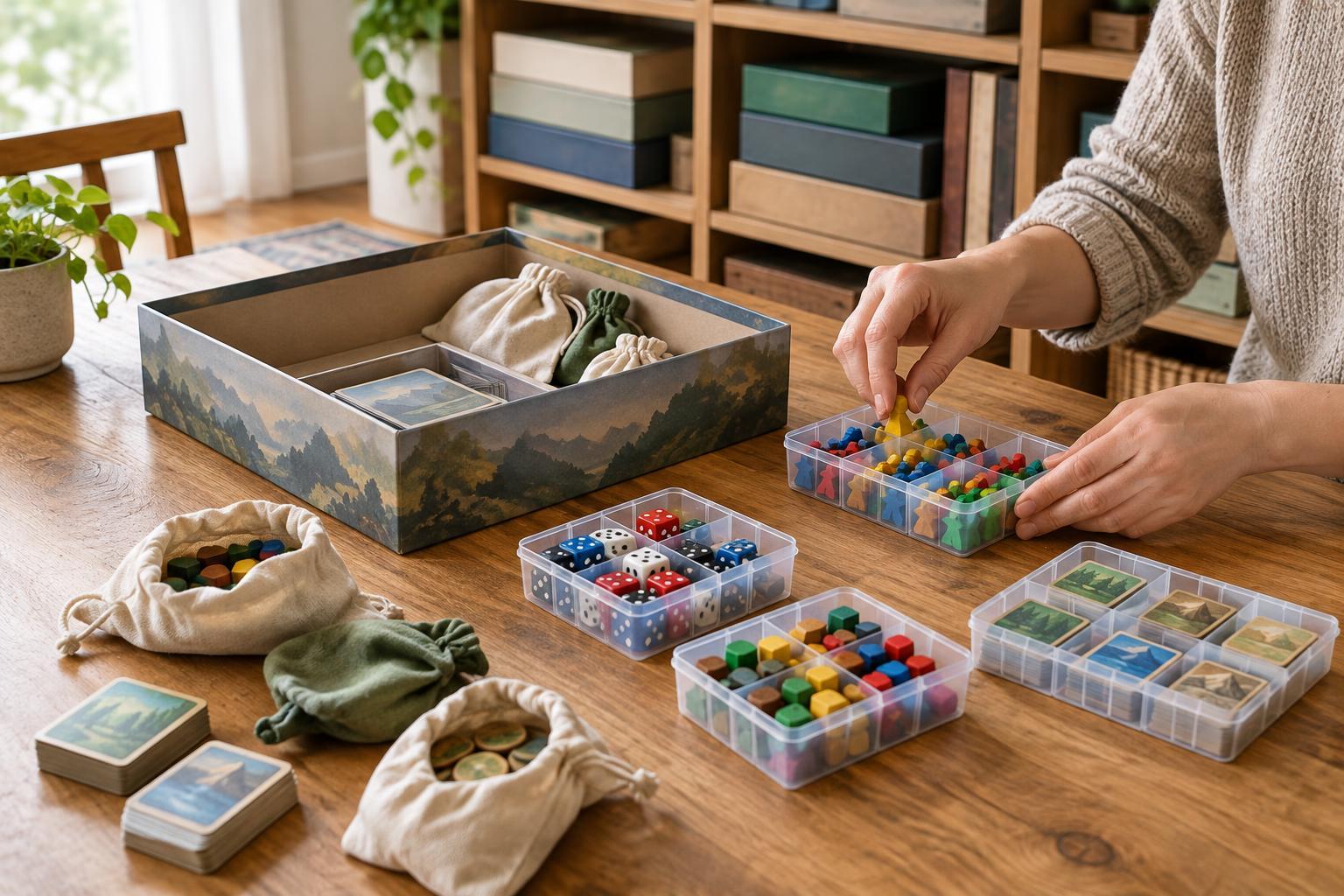
Reading a rulebook aloud often asks everyone to absorb details before they know why those details matter. A better approach is to prepare a short explanation, then keep the rulebook nearby for questions. Read it yourself before game night if you can. Set up the board, identify the pieces each player controls, and walk through an imaginary turn. Check how the game ends and how a winner is determined; those two points shape everything else you say.
You do not need to memorize every exception. Make a small note of rules that are easy to overlook, such as when players refill cards or whether an action can be repeated. If the game has an official player aid, put it where everyone can see it. Preparation is not about delivering a flawless speech. It is about making the first few turns feel approachable.
Start with the goal, not the components
Before naming every token, tell players what they are trying to accomplish. You might explain that they are building sets, reaching a destination, or earning points by the end of a fixed number of rounds. Then say what they will do most often to pursue that goal. This gives the board and cards a purpose: a player can understand a resource as something they spend to take an action, rather than as another item in a long inventory.
Keep the opening brief. Point out only the parts of the table needed for the first turn: where players look for available choices, where they place what they collect, and where shared supplies sit. Introduce other components when someone is about to use them. If players already know a similar game, a quick comparison may help, but explain any important differences so the comparison does not create a false assumption.
Demonstrate one ordinary turn
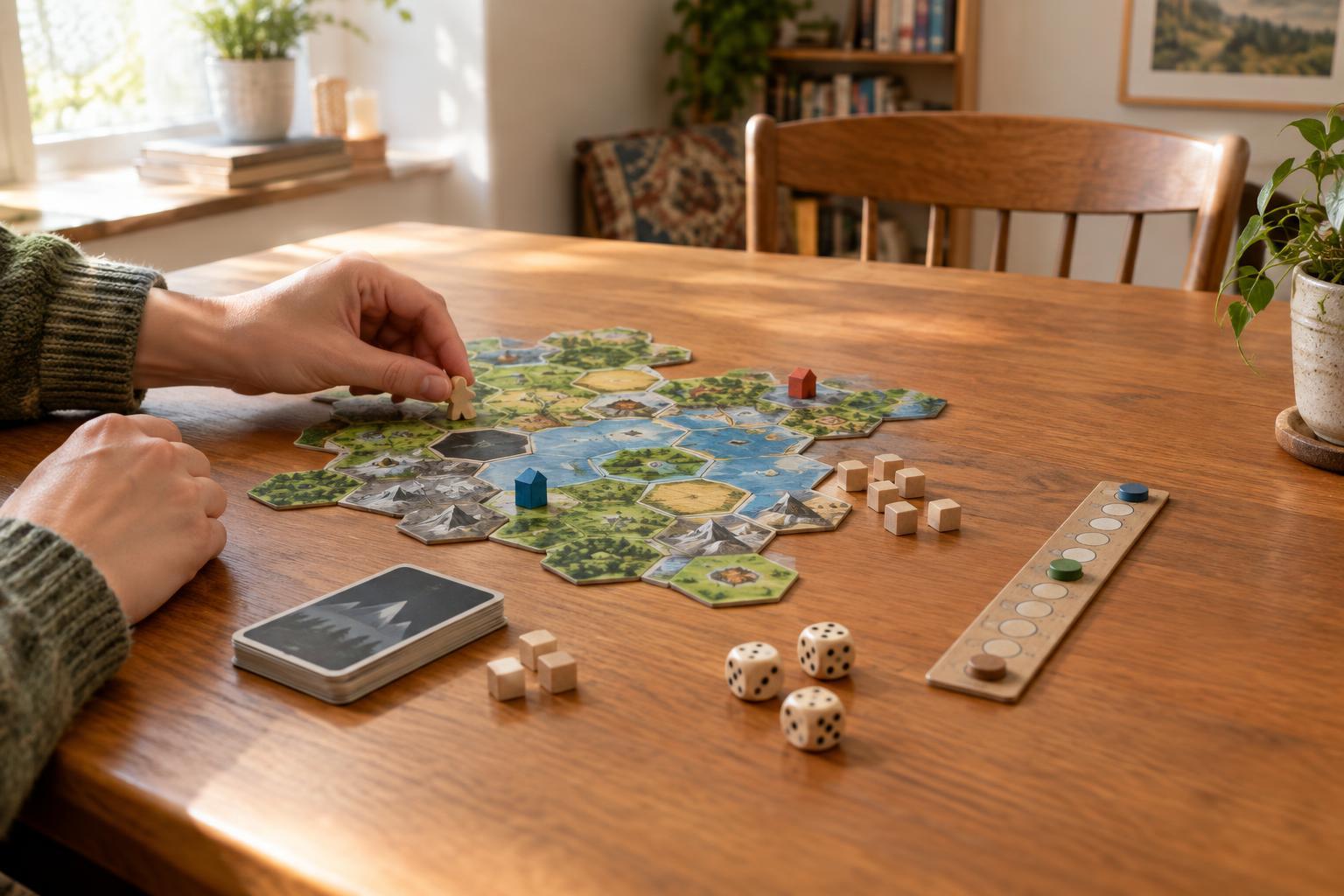
Show the sequence of play using the pieces on the table. Say whose turn it is, what choices they have, and what happens after they choose. Move a piece or play a card as you speak. A concrete example is easier to follow than a list of possible actions, especially when new players can see the result. Choose a typical turn rather than one built around a rare combination or an advanced tactic.
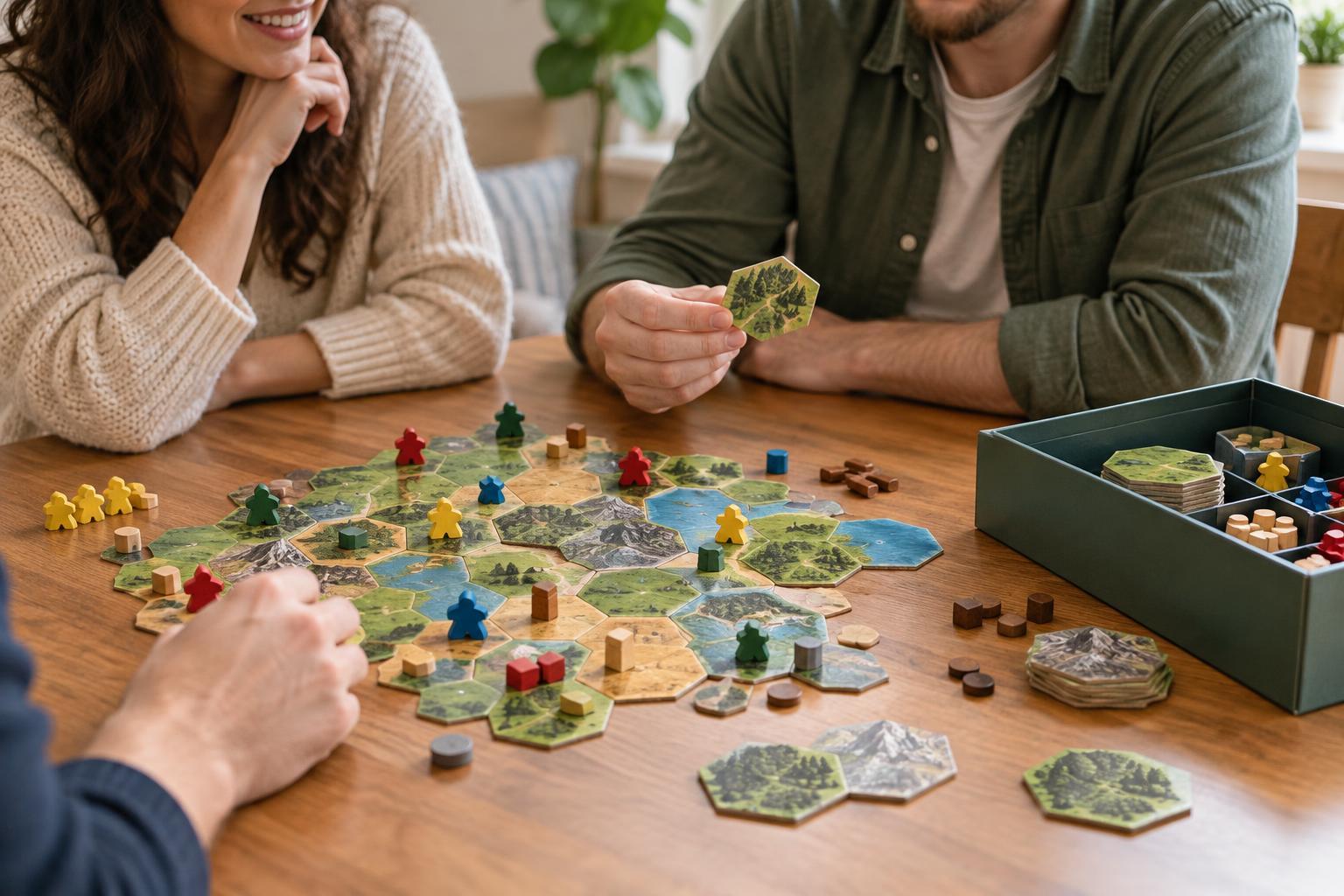
Pause at the first meaningful decision. Describe the options without choosing for the player: “You could take a card now, or use this action to gain what you need for a later turn.” This shows the shape of a decision while leaving room to explore. If the game has a repeating round structure, explain what resets at the end of a round after demonstrating the turn. Save detailed edge cases until they arise.
Explain rules at the moment they matter
Once players can begin, let the first round serve as a guided practice run. Remind someone of an available action when their turn arrives, and answer questions openly. State any rule that could affect a choice before a player commits to it; withholding an important restriction is frustrating, even in a friendly teaching game. If a rule applies only to later stages, it can usually wait until the table is close to encountering it.
Keep the rulebook available as a reference, not a script. When a question comes up, check the wording rather than guessing confidently. If a mistake is discovered, explain it plainly and agree as a group on a fair way forward. Rewinding a simple move may be easy; later in the game, continuing with the corrected rule may be less disruptive. The aim is a shared understanding, not a perfect first play.
Make space for questions and independence
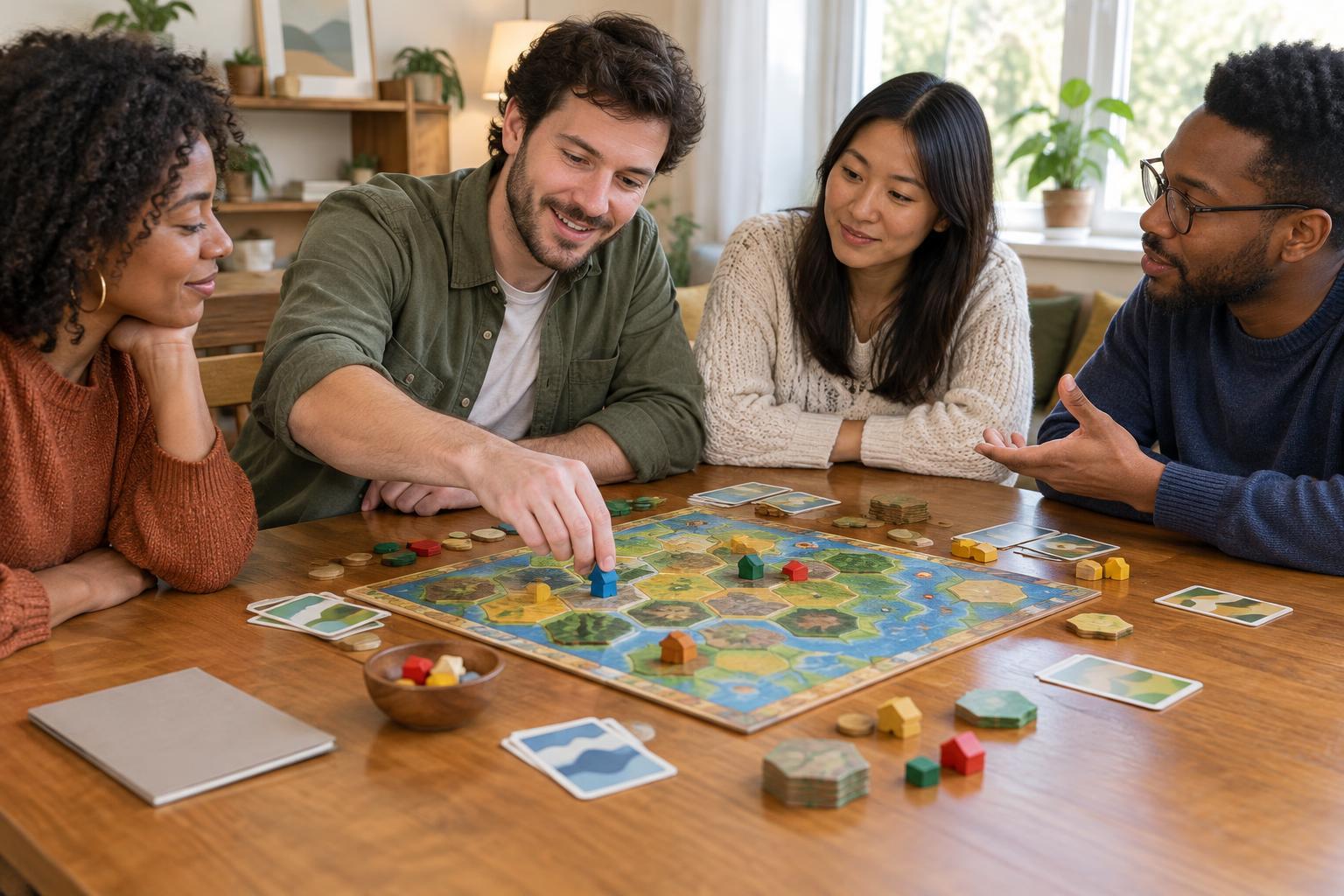
Different players need different amounts of guidance. Ask whether anyone wants a quick recap of their options, but avoid narrating every choice after the game begins. New players should be able to try an idea without feeling that the teacher is steering them toward an approved move. If someone asks for advice, offer a couple of possibilities and explain the trade-off rather than presenting one move as the answer.
Before the first round ends, revisit the goal: what has changed on the table, and how does that bring anyone closer to winning? This brief check can connect the actions players have just taken to the larger game. From there, reduce your prompts as the group becomes comfortable. A successful explanation is not one that covers every sentence in the rulebook; it is one that helps people play, ask useful questions, and enjoy discovering the rest together.